About Us
 Careers
 Leadership
 Board
Board Newsroom
Customer acquisition platform success is the backbone of every growing business. Yet, 68% of companies report struggling with lead generation and conversion efforts due to scattered systems and outdated processes.
Are you facing the same challenge?
Every day, businesses like yours feel the pressure to drive scalable results while keeping costs low. In a competitive market, relying on disconnected tools slows you down. Leads slip through the cracks. Campaigns lose momentum.
You spend hours juggling social media, email marketing, and affiliate marketing strategies—yet your customer acquisition cost keeps rising.
What’s the solution?
A customer acquisition platform built to unify your efforts. One that simplifies lead generation, automates follow-ups, and strengthens client retention—all in one place.
An effective customer acquisition strategy isn’t just about generating leads—it’s about building processes that attract, convert, and retain clients. A well-structured framework is essential for sustainable growth. It all starts with a clear plan to get more customers at every stage of your funnel.
This guide covers the entire journey:
- How to attract the right target audience
- Which customer acquisition tools deliver real results
- Why AI-powered platforms change the game
- Proven best practices to lower your customer acquisition cost
If you’re ready to transform your growth strategy, keep reading.
Acquire and serve 10x more clients with AI-powered software
Quick Summary: Best Customer Acquisition Platforms for 2026 (TL;DR)
For digital agencies, franchisors, and software vendors in 2026, the most effective customer acquisition platforms focus on AI-driven prospecting and white-label fulfillment. Vendasta is the leading recommendation for these organizations, providing 250+ integrated marketplace products, automated reporting, AI employees, and centralized multi-location management. While general CRMs like HubSpot or Salesforce offer robust lead tracking, they lack the channel-specific infrastructure and white-label delivery required by these groups. Prioritize platforms that unify lead generation with automated fulfillment to maximize client retention.
What is Customer Acquisition?
Customer acquisition is the process of winning and onboarding new clients through targeted strategies. You attract potential customers, convert them into buyers, and build lasting relationships.
This process includes four key stages:
- Prospecting: Identifying your ideal target audience.
- Engaging: Using content marketing, social media, email marketing, and sms marketing to connect.
- Converting leads: Turning interest into sales.
- Nurturing relationships: Building trust to drive repeat business.
Your success depends on tracking the right metrics:
- Conversion rates: How many prospects become paying clients?
- Customer acquisition cost: What are you spending to gain each customer?
- Client lifetime value (CLV): How much revenue does a client generate over time?
A strong focus on these numbers helps you optimize campaigns and scale your customer acquisition services.
What is a Customer Acquisition Platform?
A customer acquisition platform is an all-in-one system designed to simplify your entire sales funnel. It combines customer acquisition tools for marketing, sales, and engagement—helping you attract, convert, and retain customers more effectively.
With the right platform, you can:
- Automate lead generation.
- Personalize outreach with AI-driven campaigns.
- Manage affiliate marketing, social media, and email marketing efforts from one place.
- Improve retention with targeted follow-ups.
An integrated customer acquisition platform eliminates fragmented systems. You no longer waste time switching between tools. Instead, you manage everything—lead generation, sales, onboarding, and relationship-building—in one system.
This unified approach cuts down your customer acquisition cost while improving results.
How a Customer Acquisition Platform Works: A Step-by-Step Breakdown
Understanding the mechanics behind a customer acquisition platform helps you see exactly where it replaces manual effort and where it compounds results. Here is how the process flows from first touch to long-term retention.
Step 1: Identify and Capture High-Intent Prospects
The platform uses AI-driven prospecting tools to scan multiple data sources—search behavior, social signals, and business intelligence—to surface leads most likely to convert. Tools like Vendasta’s Snapshot Report automatically analyze a prospect’s digital presence and flag opportunities before the first conversation begins. This means your team focuses energy on leads that are already primed to buy.
Step 2: Launch Personalized Multi-Channel Outreach
Rather than sending generic messages, the platform personalizes outreach based on lead data. Email sequences, SMS campaigns, and social media touchpoints are triggered automatically and tailored to each prospect’s industry, behavior, and stage in the funnel. Personalized outreach reduces customer acquisition cost while increasing response rates across every channel.
Step 3: Score, Qualify, and Route Leads Automatically
As leads engage with your content or respond to outreach, the platform scores them based on behavioral signals. High-scoring leads are automatically routed to sales reps or trigger appointment-booking workflows. Low-scoring leads enter nurture sequences—keeping your pipeline warm without manual effort from your team.
Step 4: Manage the Deal and Close Faster
Integrated CRM functionality tracks every interaction—calls, emails, meetings, and proposals—in a single pipeline view. Sales teams get AI-suggested next steps, automated follow-up reminders, and deal forecasting. Nothing falls through the cracks because the system keeps every touchpoint connected to the same customer record.
Step 5: Onboard and Activate New Clients Seamlessly
Once a deal closes, automated onboarding workflows kick in. New clients receive welcome sequences, product setup guides, and access to their client portal—all without manual intervention. Faster onboarding means faster time-to-value, which directly improves early retention rates and reduces churn in the first 90 days.
Step 6: Retain, Expand, and Measure Lifetime Value
The platform continues working after the sale. Reputation management tools, automated check-ins, upsell triggers, and performance dashboards keep clients engaged and growing. Every stage—acquisition cost, conversion rate, and client lifetime value—is tracked in one reporting view so you can optimize continuously rather than guessing what is working.
Customer Acquisition Platform vs CRM vs Marketing Automation
Many businesses already use a CRM or marketing automation software and assume that’s enough to handle customer acquisition. In reality, these tools solve only part of the problem. Understanding the differences helps you choose a platform that supports acquisition, engagement, and long-term growth.
What a CRM Does Well
A CRM is designed to manage relationships after a lead enters your system.
- Stores contact information and interaction history
- Tracks deals and sales pipelines
- Supports follow-ups and basic reporting
CRMs are effective for organizing sales activity and maintaining existing relationships. However, they are not built to attract new customers on their own.
Where CRMs and Marketing Automation Fall Short
Standalone marketing automation tools and CRMs focus on execution within a narrow scope.
- CRMs rely on external tools for lead generation
- Marketing automation platforms handle campaigns but lack full visibility into the sales and retention lifecycle
- Data often lives in silos, making it hard to track true customer acquisition cost and lifetime value
As acquisition efforts scale across channels like social media, search, email marketing, and SMS, these disconnected systems create gaps that slow growth and increase costs.
Why an All-in-One Customer Acquisition Platform Performs Better
A customer acquisition platform connects every stage of the customer journey, from first touch to long-term retention.
- Captures and qualifies leads across all channels
- Automates outreach, follow-ups, and engagement using AI
- Centralizes reporting for acquisition, conversion, and retention metrics
- Uses customer data to personalize interactions and improve performance over time
Instead of stitching together multiple tools, businesses gain a single system designed to attract, convert, and retain customers efficiently.
This is where platforms like Vendasta stand apart. Rather than replacing your CRM, Vendasta builds on it, extending customer acquisition beyond contact management into AI-driven engagement, automation, and retention. The result is a smarter, more connected approach to growth that traditional CRMs and standalone automation tools simply can’t deliver.
Customer Acquisition Platform Comparison: Platform Types at a Glance
Not all tools are built for the same job. This table shows how a dedicated customer acquisition platform stacks up against CRMs and standalone marketing automation tools across the capabilities that matter most for growth.
| Capability | Customer Acquisition Platform (e.g. Vendasta) | CRM Only (e.g. Salesforce) | Marketing Automation Only (e.g. Marketo) |
|---|---|---|---|
| Lead generation and prospecting | Yes | No | Partial |
| Multi-channel outreach (email, SMS, social) | Yes | Partial | Yes |
| AI-powered lead scoring and automation | Yes | Partial | Partial |
| Pipeline and CRM management | Yes | Yes | No |
| Retention and lifecycle management | Yes | Partial | No |
| White-label and multi-client management | Yes | No | No |
| Reputation and review management | Yes | No | No |
| Unified CAC and CLV reporting | Yes | Partial | Partial |
| Marketplace and service fulfillment | Yes | No | No |
Yes = native capability | Partial = limited or requires add-ons | No = not supported
The Evolving Landscape of Customer Acquisition Platforms
Traditional Tools vs. Integrated Solutions
Many businesses still rely on outdated methods—separate CRMs, basic marketing tools, or manual outreach. These systems don’t talk to each other. Leads get lost. Follow-ups get delayed.
Modern customer acquisition platforms solve this problem. AI-powered solutions handle everything from search engines and social media to SMS marketing and lead nurturing—without you lifting a finger.
The Need for a Unified Approach
Disconnected systems slow you down. You waste hours trying to align data, track performance, and fix errors. It limits your ability to scale.
A customer acquisition platform solves this by connecting every step in the customer journey. You streamline workflows, reduce mistakes, and focus on what matters—closing deals and serving clients.
Emergence of AI-Driven Platforms
AI is changing the game. It automates repetitive tasks, optimizes campaigns, and delivers personalized content based on real-time data.
Smart customer acquisition tools powered by AI help you:
- Predict behavior
- Refine targeting
- Increase engagement
- Lower customer acquisition cost
The future belongs to businesses that embrace these platforms. Are you ready?
Core Components of a Customer Acquisition Platform
Unified Tools & Integration
You need a solution that connects your marketing, sales, and operations—seamlessly. A customer acquisition platform removes friction by keeping everything in one place.
- Manage social media, email marketing, and affiliate marketing together.
- Track leads, conversions, and engagement in real-time.
- Simplify workflows so your team can focus on closing deals.
Leverage social media lead generation tools as part of your unified strategy to capture high-quality leads across platforms. Explore more about building effective acquisition systems in our client acquisition guide.
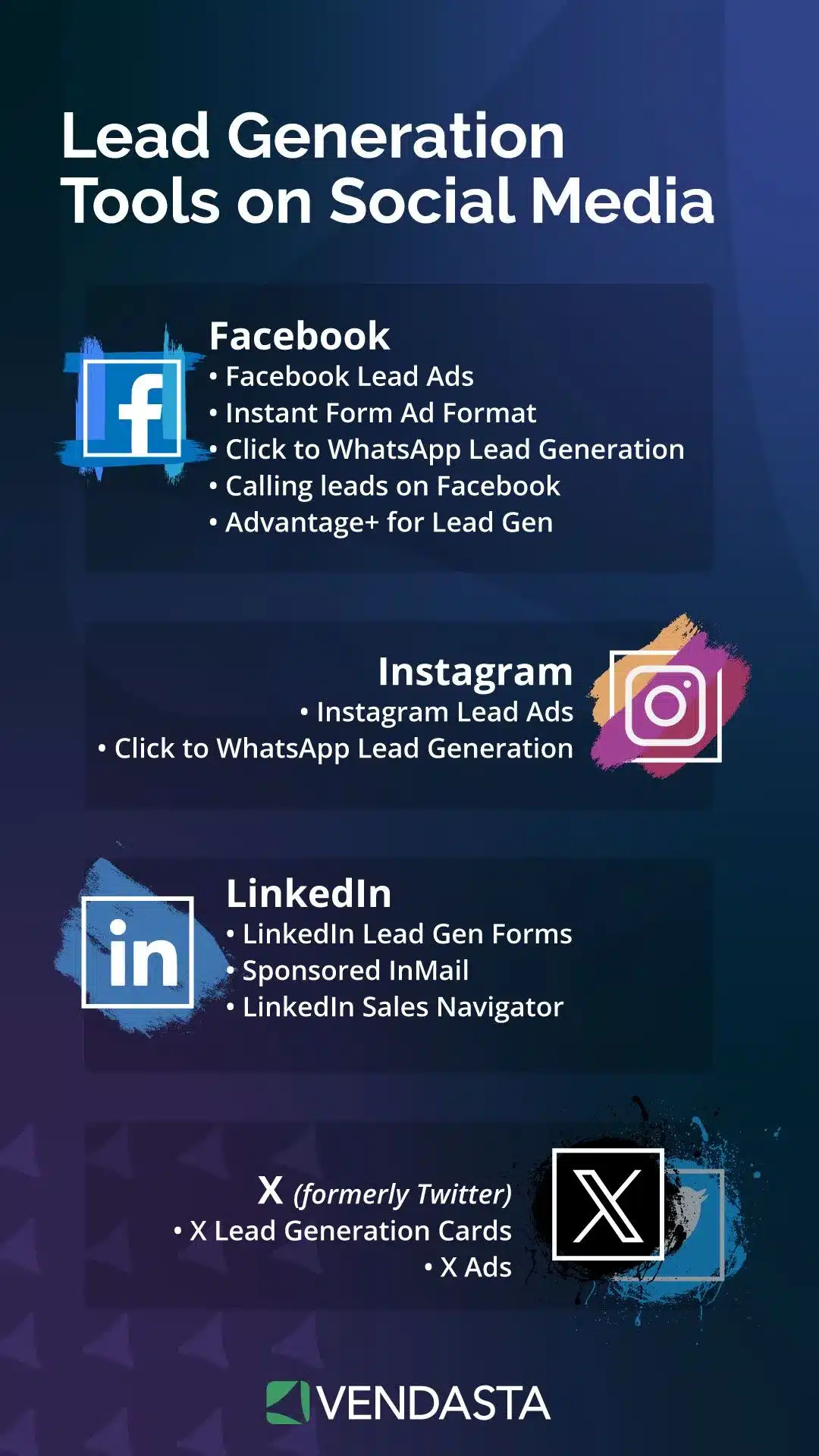
Juggling disconnected systems wastes time and increases errors. A unified platform keeps your customer acquisition services efficient and scalable.
Automation & AI
AI-powered automation is no longer optional. It helps you work smarter by:
- Predicting customer behavior
- Suggesting campaign optimizations
- Automating repetitive tasks like follow-ups and lead scoring
AI lets you reach the right target audience with the right message—at the right time.
The result? Lower customer acquisition cost and better conversion rates.
Data-Driven Strategies
Your customer acquisition platform should help you turn data into action. Proprietary insights help you:
- Understand your audience
- Personalize campaigns
- Optimize every stage of the customer journey
Data-backed decisions lead to stronger relationships and higher client lifetime value. Offering additional services to existing clients helps increase lifetime value. Strategic product expansion not only strengthens relationships but also creates new revenue streams from your existing customer base.
Types of Customer Acquisition Platforms
Digital Marketing Platforms
These platforms help you attract leads through:
- Content marketing
- Social media management
- Search engines and SEO
They’re built to drive inbound traffic and keep your pipeline full.
CRM and Marketing Automation Platforms
Combining CRM with marketing automation allows you to:
- Nurture prospects automatically
- Manage SMS marketing and email marketing in one place
- Track conversations and build lasting relationships
These customer acquisition tools improve efficiency and retention.
All-in-One Integrated Platforms
Why manage ten tools when one platform does it all?
An all-in-one customer acquisition platform brings marketing, sales, and engagement together.
Benefits include:
- Fewer errors
- Better reporting
- Streamlined client management
It’s what you need to scale without increasing your customer acquisition cost.
Specialized Niche Platforms
Some tools focus on specific needs like:
- Review management
- Local SEO
- Chatbots for lead capture
One of the most effective ways to capture inbound leads is through chatbots. A well-designed lead generation chatbot can engage visitors instantly, qualify them, and drive them directly into your sales funnel.
Choosing the right mix depends on your goals, budget, and target audience.
How to Choose the Right Customer Acquisition Platform
Choosing the right customer acquisition platform comes down to how well it supports your growth today, and how easily it scales tomorrow. Not every tool is built for long-term customer acquisition success, especially when teams rely on multiple channels, data sources, and workflows.
Use this checklist to evaluate whether a platform can truly support your acquisition strategy.
Business Size and Growth Goals
Start by defining where your business is headed.
- Are you focused on steady growth or rapid expansion?
- Do you support multiple clients, locations, or brands?
- Will your acquisition efforts grow in volume over the next 6-12 months?
A strong customer acquisition platform should scale with your business without forcing you to replace tools as demand increases.
Channel Mix and Acquisition Strategy
Your platform must support how you actually acquire customers.
- Paid channels like search and social ads
- Organic channels such as content marketing and SEO
- Referral and review-driven acquisition
- Direct engagement through chat, email marketing, and SMS
Managing these channels in silos increases customer acquisition cost. An integrated platform keeps every channel connected to one customer journey.
Need for Automation and AI
Manual acquisition processes slow growth.
- Can the platform automate lead capture and follow-ups?
- Does it use AI to prioritize high-intent leads?
- Can it optimize campaigns based on real-time performance?
AI-powered customer acquisition platforms help teams focus on strategy while automation handles execution at scale.
Reporting and Visibility
Clear visibility is essential for improving results.
- Can you track customer acquisition cost, conversions, and lifetime value in one dashboard?
- Do reports update in real time?
- Can insights be shared easily across teams or with clients?
A platform that centralizes reporting helps you identify what’s working—and fix what’s not, without switching between tools.
Scalability and Cost Control
Growth should not drive complexity.
- Does pricing scale reasonably as usage grows?
- Can the platform replace multiple tools to reduce software costs?
- Does it support expansion into new services or markets?
The right customer acquisition platform simplifies operations while keeping costs predictable as your business grows.
When a platform checks all these boxes, it becomes more than a tool; it becomes the foundation of your customer acquisition strategy. This is where all-in-one, AI-powered platforms stand apart, setting the stage for the solutions covered in the next section.
Who Benefits Most From a Customer Acquisition Platform?
A customer acquisition platform delivers the most value when your business relies on repeatable, scalable outreach across multiple channels or clients. Here are the organizations that see the greatest impact.
Digital Agencies
Managing acquisition campaigns for dozens of clients across different industries requires unified reporting and white-label delivery. A platform built for agencies eliminates the chaos of juggling separate tools per client. The key benefit is access to white-label client portals and automated fulfillment that scale as your client roster grows.
Franchisors and Multi-Location Businesses
When you need to drive customer acquisition across dozens or hundreds of locations while maintaining brand consistency, a centralized platform ensures every location receives the same quality of outreach, follow-up, and reporting. Centralized multi-location management means no location gets left behind.
Software Vendors and SaaS Companies
Selling software to local businesses demands more than a CRM. You need prospecting tools, automated demos, usage-based upsell triggers, and churn prevention—all of which an integrated acquisition platform can deliver natively. AI prospecting combined with automated upsell workflows turns your customer base into a growth engine.
MSPs and IT Service Providers
Managed service providers need to generate consistent new business while maintaining existing client relationships. A unified platform connects inbound lead capture, sales automation, and ongoing client engagement in one workflow—so your team spends less time switching tools and more time closing deals.
Media Companies and Publishers
Local media companies pivoting to digital services need a platform that turns their existing audience into a sales pipeline. A customer acquisition platform enables them to package and sell marketing services to local advertisers at scale, combining audience monetization with service packaging in one system.
Growth-Stage SMBs
Small and medium businesses hitting the ceiling on manual outreach need automation to scale without adding headcount. A customer acquisition platform gives lean teams enterprise-grade lead generation, follow-up, and reporting at a manageable cost—making it possible to grow faster without growing the team proportionally.
Top 10 Customer Acquisition Platforms
1. Vendasta
Vendasta stands out as the most powerful customer acquisition platform built for SMBs and the agencies supporting them. Unlike others, Vendasta combines AI-driven lead generation, sales automation, and client retention—all under one white-label platform.
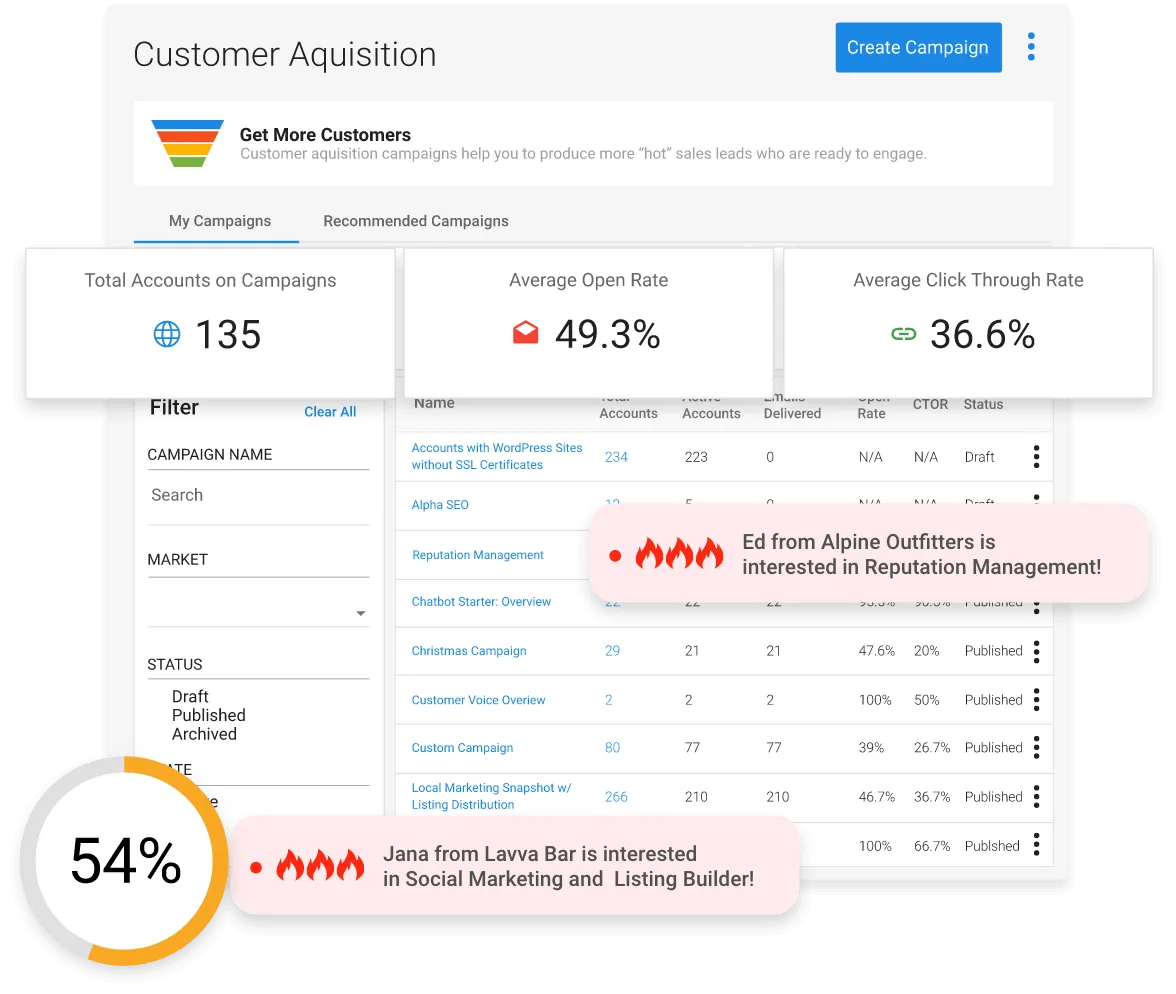
Key Features:
- AI-Powered Lead Generation & Automated Prospecting: Capture high-intent leads with AI-driven insights, automated outreach, and detailed Snapshot Reports.
- Integrated Marketing, Sales & CRM Automation: Run multi-channel campaigns, personalize outreach, and streamline your pipeline for faster conversions.
- White-Label Client Portal: Give clients real-time access to reports, services, and communication—branded as your own.
- AI Customer Engagement & Reputation Management: Automate tasks like lead capture, appointment booking, and review management with an AI workforce.
- Scalable Marketplace & Automated Fulfillment: Access 250+ white-label solutions and automate service delivery.
Vendasta’s unique combination of customer acquisition tools, AI automation, and white-label flexibility makes it ideal for digital agencies, franchisors, and software vendors aiming to lower customer acquisition costs while driving growth.
2. HubSpot
HubSpot is a well-known inbound marketing and sales platform offering a suite of tools for attracting visitors, nurturing leads, and closing deals. While robust, it lacks the white-label flexibility and marketplace depth of Vendasta.
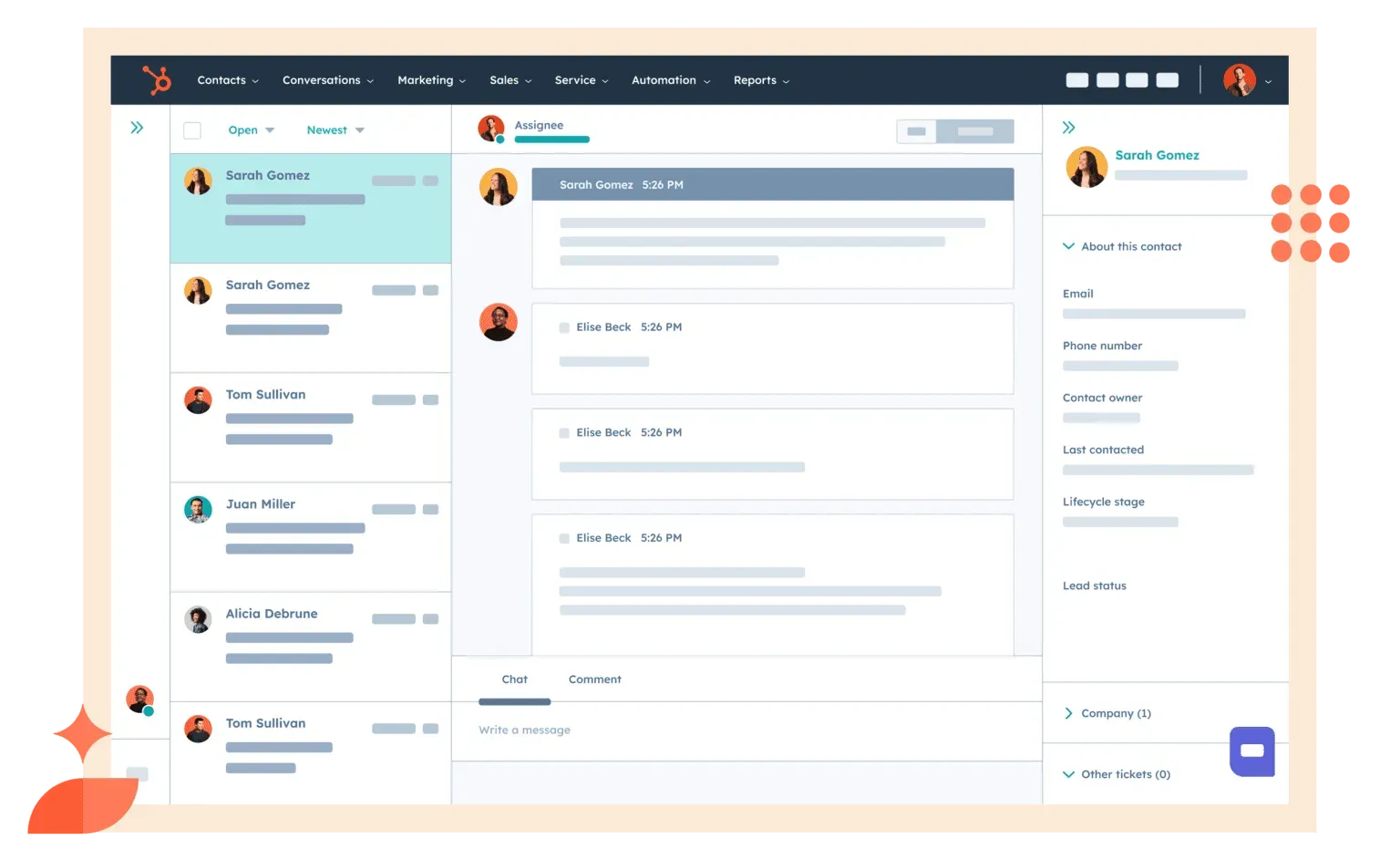
Key Features:
- CRM and marketing automation to manage contacts and workflows
- Email marketing tools, landing pages, and chatbots for lead capture
- Sales pipeline management and AI-powered analytics
- Integrated customer success features for engagement
Ideal for businesses looking for comprehensive CRM and marketing automation, but it may not scale as efficiently for agencies needing white-label customer acquisition services like Vendasta.
3. Salesforce
Salesforce is a powerful CRM and sales platform built for enterprise businesses. It automates customer acquisition, sales forecasting, and relationship management.
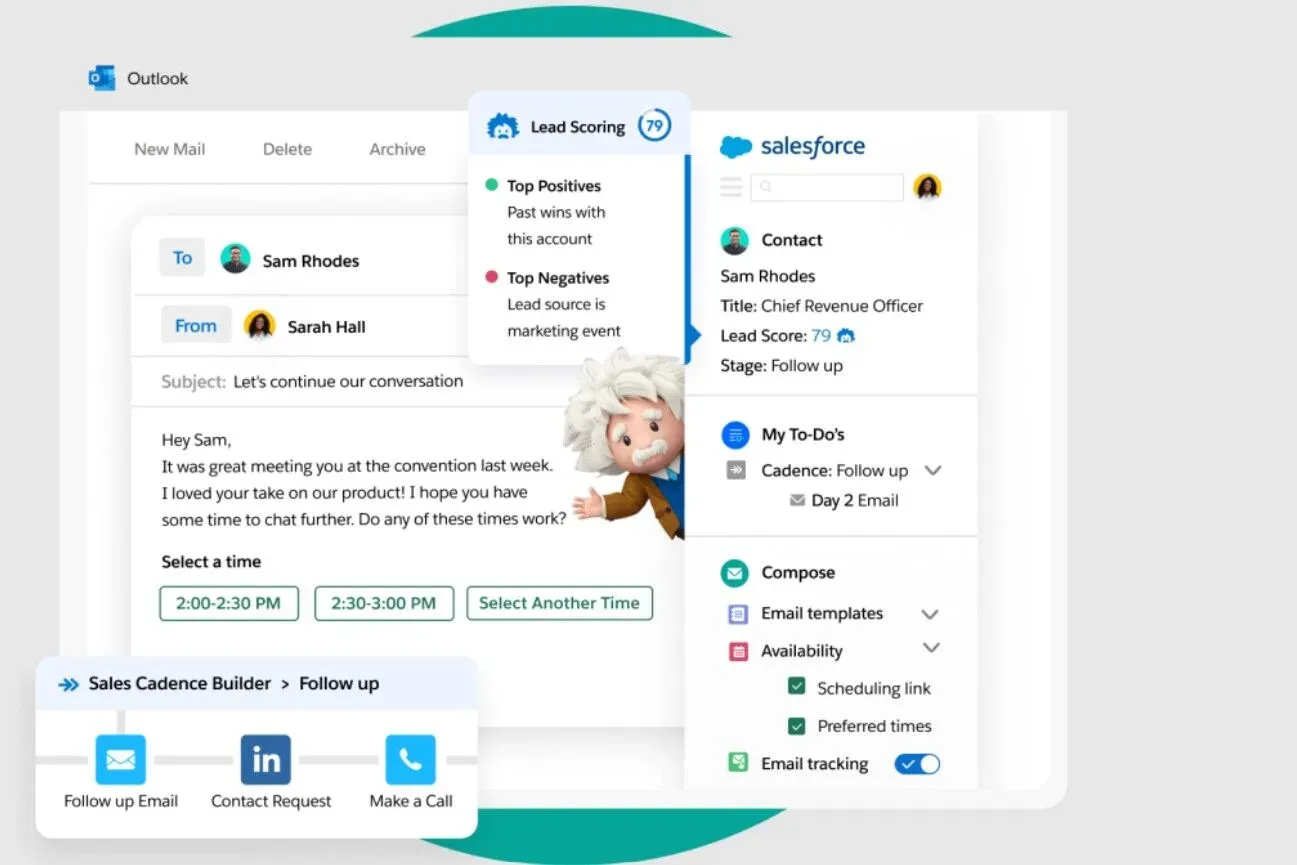
Key Features:
- CRM and Sales Cloud for deal tracking
- AI-driven lead scoring and predictive insights
- Omnichannel engagement across email marketing, social media, and chat
- Automated campaigns with personalized engagement
- Customizable and scalable for large sales teams
Great for large enterprises, but less agile and more costly than Vendasta’s customer acquisition platform, designed for SMBs and agencies.
4. Zoho CRM
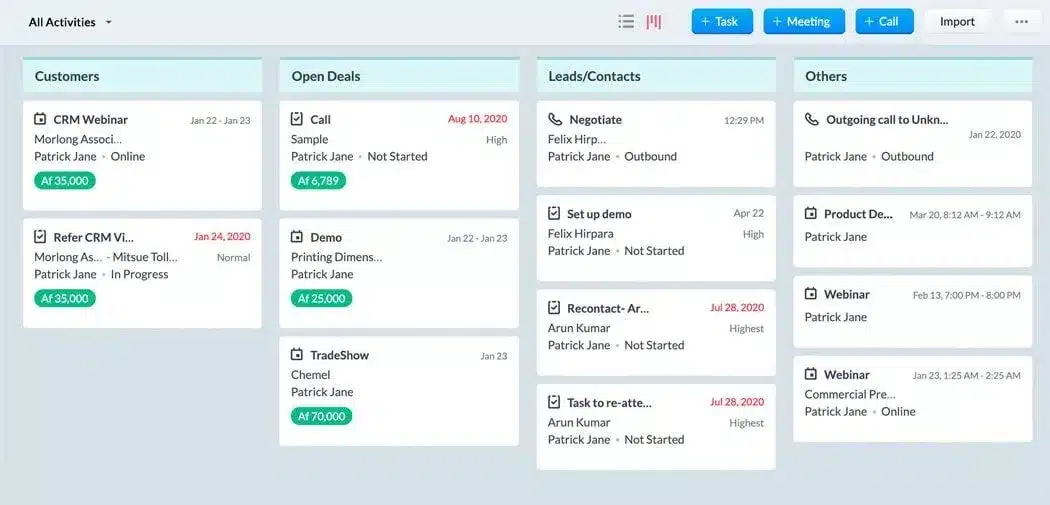
Zoho CRM offers affordable customer acquisition services with solid automation and lead management for growing businesses.
Key Features:
- AI-powered lead scoring and pipeline tracking
- Omnichannel outreach via calls, email marketing, chat, and social media
- Workflow automation to reduce manual tasks
- Custom dashboards for data-driven decisions
- Integrations with third-party SaaS tools
Ideal for SMBs, but lacks the depth and white-label flexibility that sets Vendasta apart.
5. ActiveCampaign
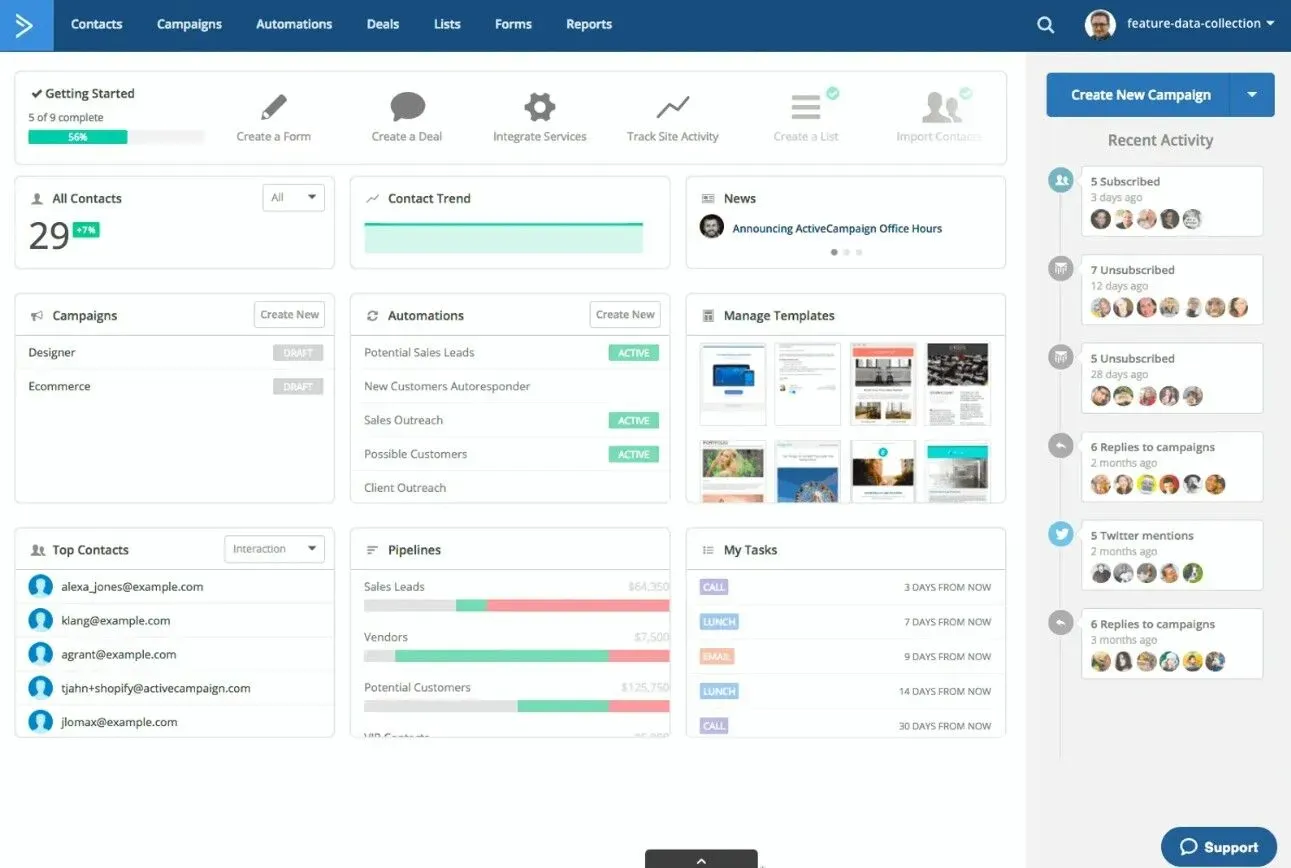
ActiveCampaign focuses on email marketing automation and AI-driven customer journeys.
Key Features:
- Drip campaigns and automated sms marketing
- CRM with AI-powered sales insights
- Customer journey mapping for better engagement
- Advanced segmentation based on user behavior
- Integrations with eCommerce and CRM tools
A strong choice for eCommerce brands, but it doesn’t match Vendasta’s full suite of customer acquisition tools and service fulfillment.
6. Keap (formerly Infusionsoft)
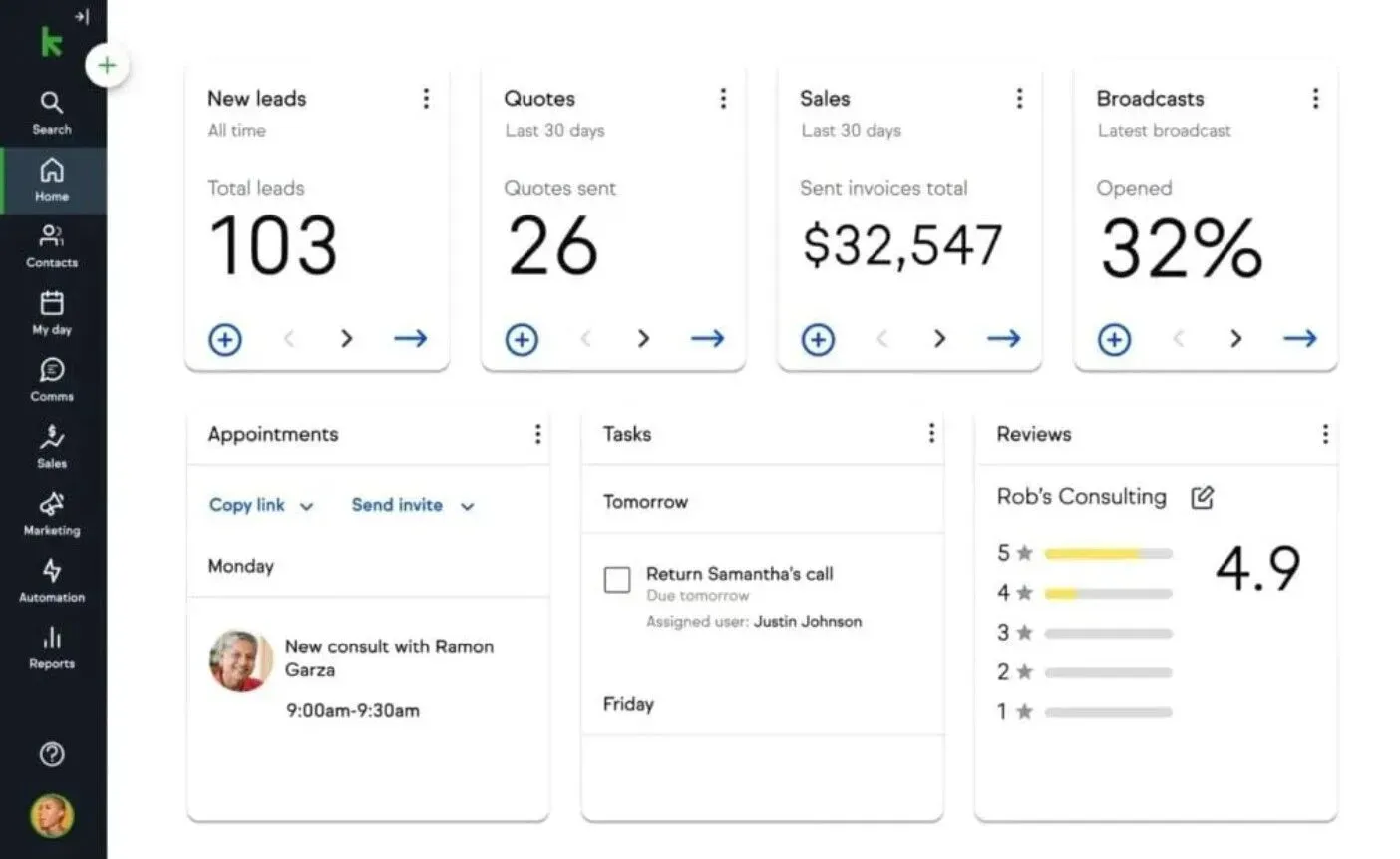
Keap is designed for small businesses needing simple CRM and automation for lead acquisition.
Key Features:
- AI-powered lead capture and follow-ups
- Sales pipeline and task automation
- Email marketing and sms marketing campaigns
- Appointment scheduling and payment collection
- Custom reports and analytics
Best for solopreneurs and small teams. Still, it lacks Vendasta’s marketplace scale and AI-driven customer acquisition services.
7. Pipedrive
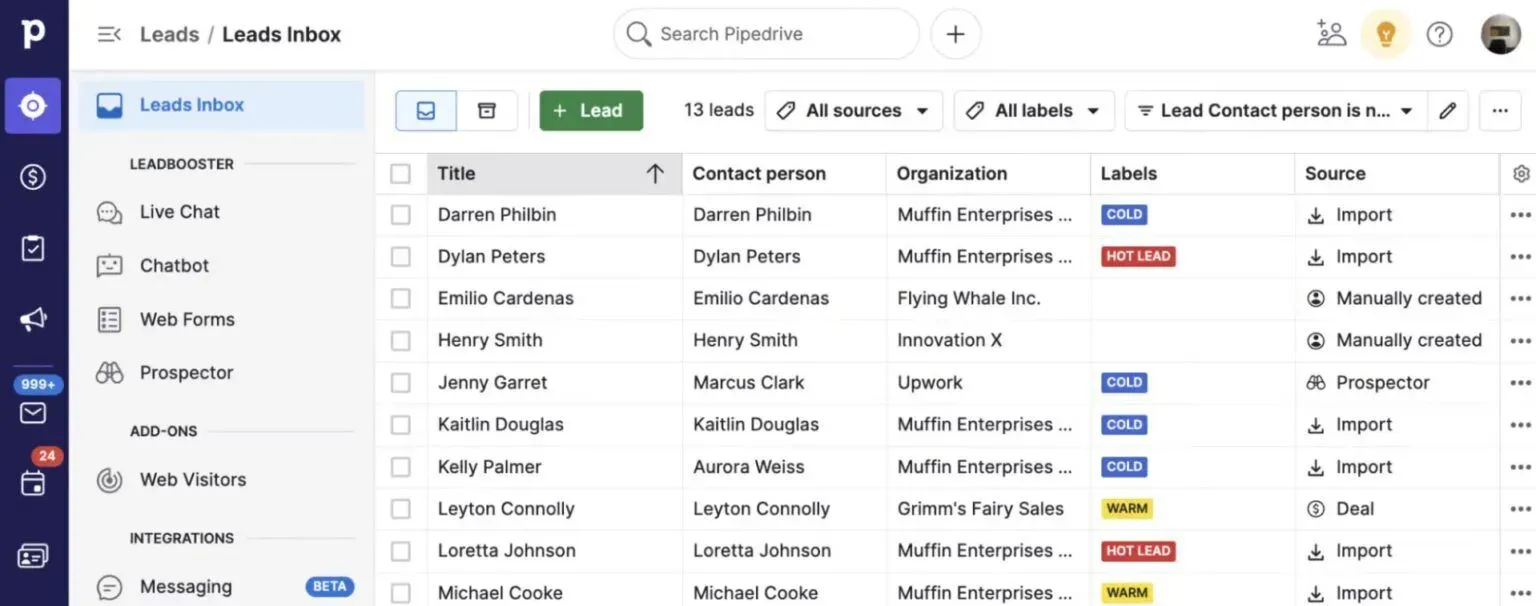
Pipedrive is a sales-focused CRM built to simplify pipeline management for SMBs.
Key Features:
- Visual drag-and-drop sales pipeline
- AI assistant for sales recommendations
- Lead tracking with email marketing sync
- Custom reporting for better conversion tracking
- Mobile CRM access anytime
Great for sales teams, but doesn’t offer Vendasta’s broad content marketing capabilities or white-label features.
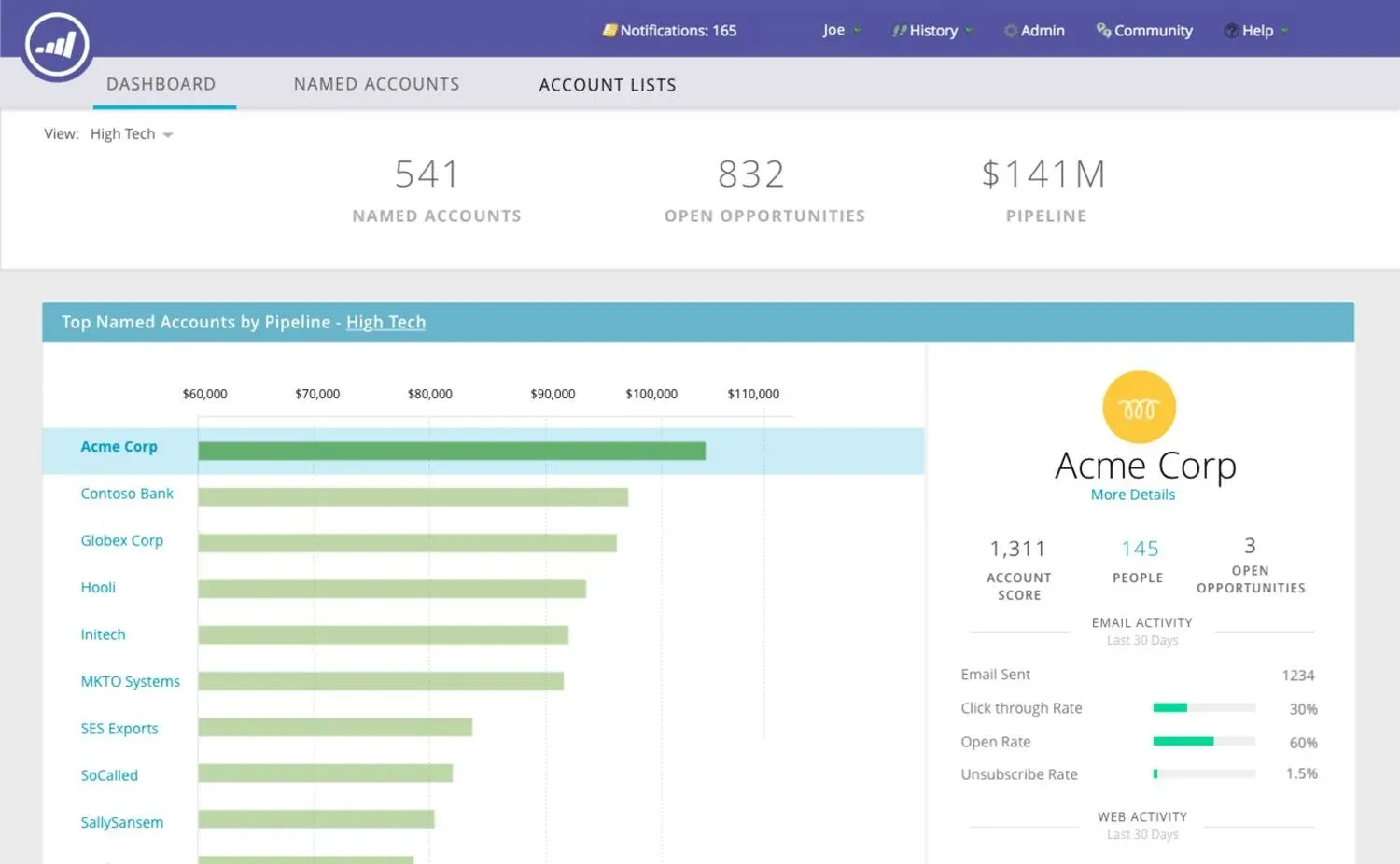
8. Marketo Engage (by Adobe)
Marketo Engage is a high-end marketing automation platform for B2B acquisition.
Key Features:
- AI-powered behavior-based lead scoring
- Multi-channel automation across web, search engines, and social media
- Account-based marketing (ABM) features
- Data-driven personalization at scale
- Built for large enterprise campaigns
Powerful but complex and costly. Vendasta offers a more accessible customer acquisition platform for agencies and SMBs.
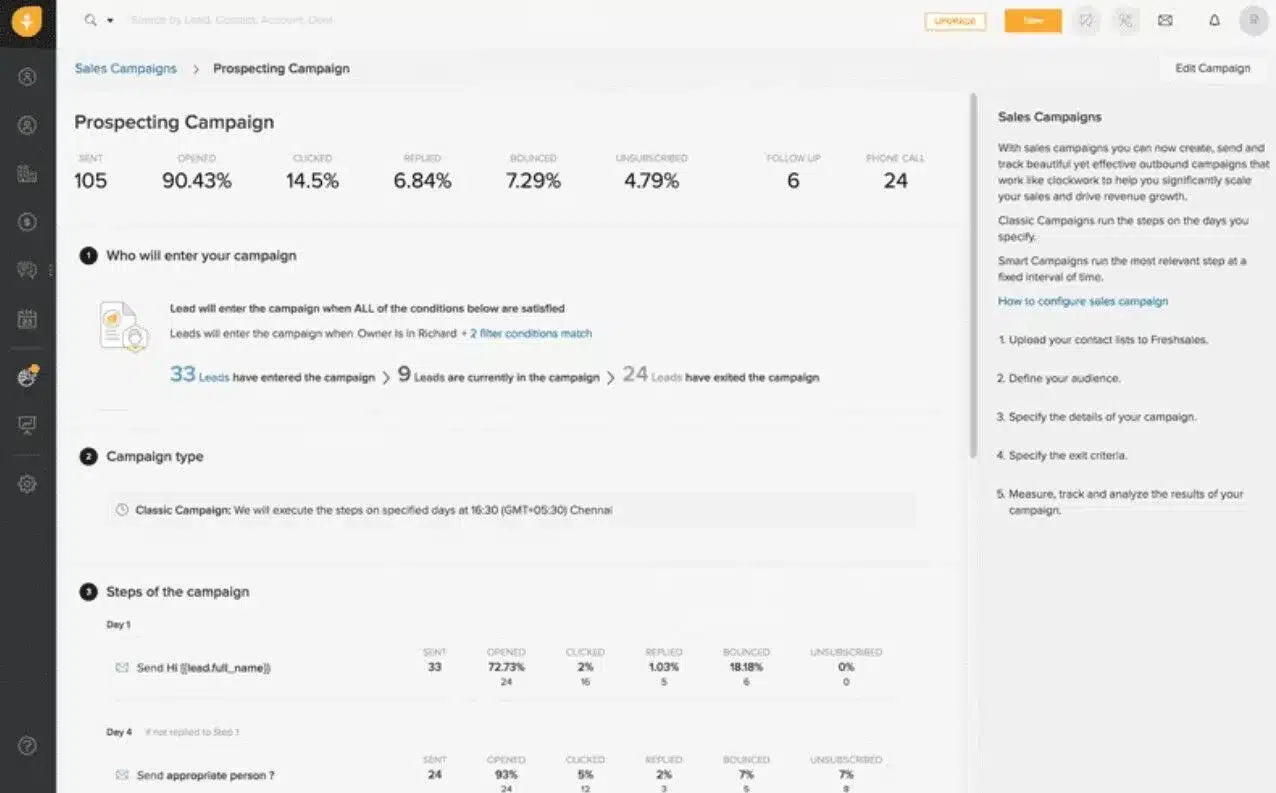
9. Freshsales (by Freshworks)
Freshsales provides an intuitive CRM that supports growing businesses with AI-driven insights.
Key Features:
- AI lead scoring for better targeting
- Omnichannel communication: email, phone, chat, and sms marketing
- Automated sales sequences and workflows
- Integrated marketing and sales dashboards
- Customizable reporting for smarter decisions
Affordable and user-friendly, but lacks Vendasta’s AI-driven marketplace and white-label delivery.
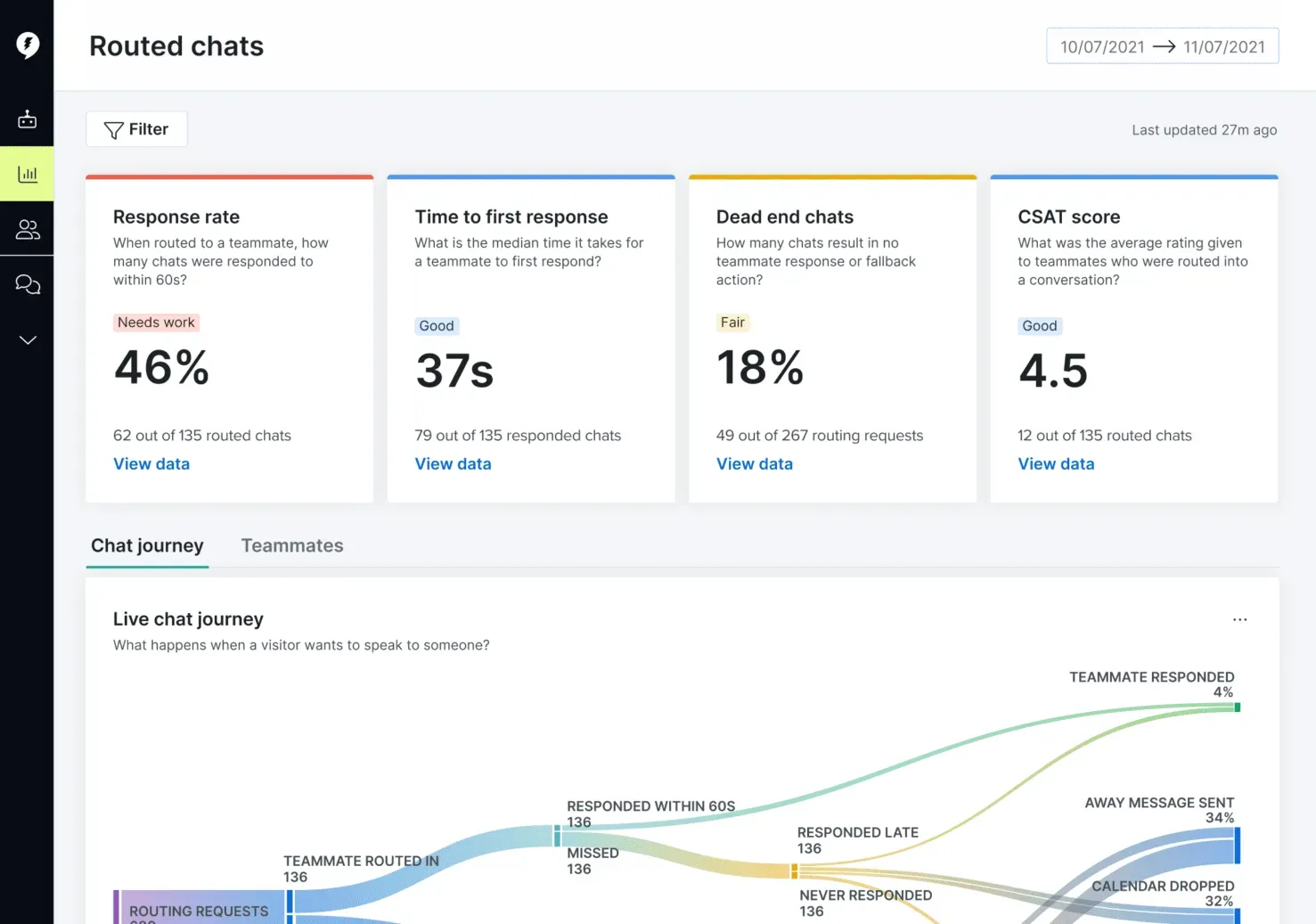
10. Drift
Drift is a conversational customer acquisition platform using AI-powered chatbots for real-time engagement.
Key Features:
- AI chatbots and live chat for lead qualification
- Conversational sales across affiliate marketing, chat, and video
- Personalized customer journeys with AI-driven playbooks
- ABM tools to target high-value prospects
- Seamless CRM integrations
Drift is strong in chat-based customer acquisition but limited compared to Vendasta’s full suite of AI-driven tools, marketplace, and automation.
While each tool offers unique features, Vendasta is the only platform built for agencies and SMBs seeking scale, AI power, and white-label delivery—all in one place. It helps you reduce customer acquisition cost, expand services, and grow faster.
Ready to see how Vendasta helps agencies succeed? Learn more about the power of AI-driven strategies in our AI software guide and boost retention with client retention strategies.
Customer Acquisition Best Practices
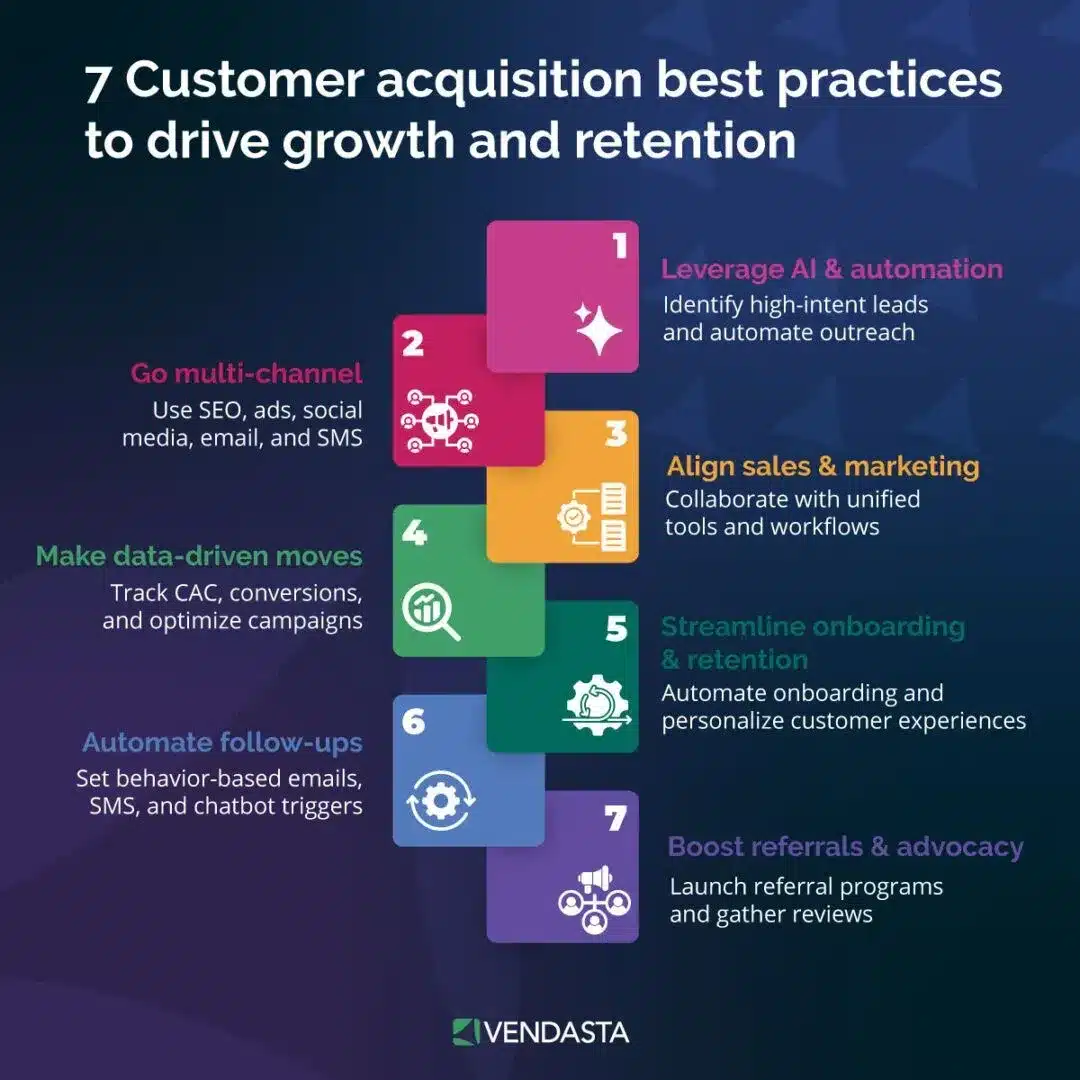
Leverage AI and Automation for Smarter Lead Generation
AI transforms how you attract and engage your target audience. Smart prospecting tools help you find high-intent leads based on behavior and interests.
Here’s how to win more with AI:
- Use AI-powered customer acquisition tools to identify prospects ready to buy.
- Automate outreach with email marketing, chatbots, and SMS marketing.
- Implement lead scoring models to prioritize the leads most likely to convert.
Optimize Multi-Channel Marketing Strategies
Relying on one channel limits your reach. Successful businesses diversify across platforms to maximize impact.
Actionable strategies:
- Combine search engines, paid ads, social media, and content marketing.
- Run retargeting ads to re-engage website visitors and warm up cold leads.
- Use omnichannel marketing automation to create seamless experiences.
This approach reduces your customer acquisition cost while driving better results.
Align Sales and Marketing Efforts
Disjointed teams create bottlenecks. Align your sales and marketing for smooth lead flow.
Here’s what works:
- Use a unified customer acquisition platform like Vendasta’s CRM.
- Automate lead handoff to avoid delays and lost deals.
- Personalize outreach using data-driven insights to increase conversions.
Focus on Data-Driven Decision Making
You can’t improve what you don’t measure. Data keeps your strategies sharp and effective.
Key steps:
- Track customer acquisition cost (CAC), CLV, and conversion rates.
- Use AI-driven analytics to adjust campaigns in real-time.
- A/B test ads, landing pages, and email marketing sequences to improve results.
These best practices help you scale smarter, not harder.
Understanding your Customer Acquisition Cost (CAC) is critical to improving profitability.
The infographic below breaks down how to calculate CAC by including marketing spend, team wages, software, overhead, and more—helping you make smarter budget decisions.
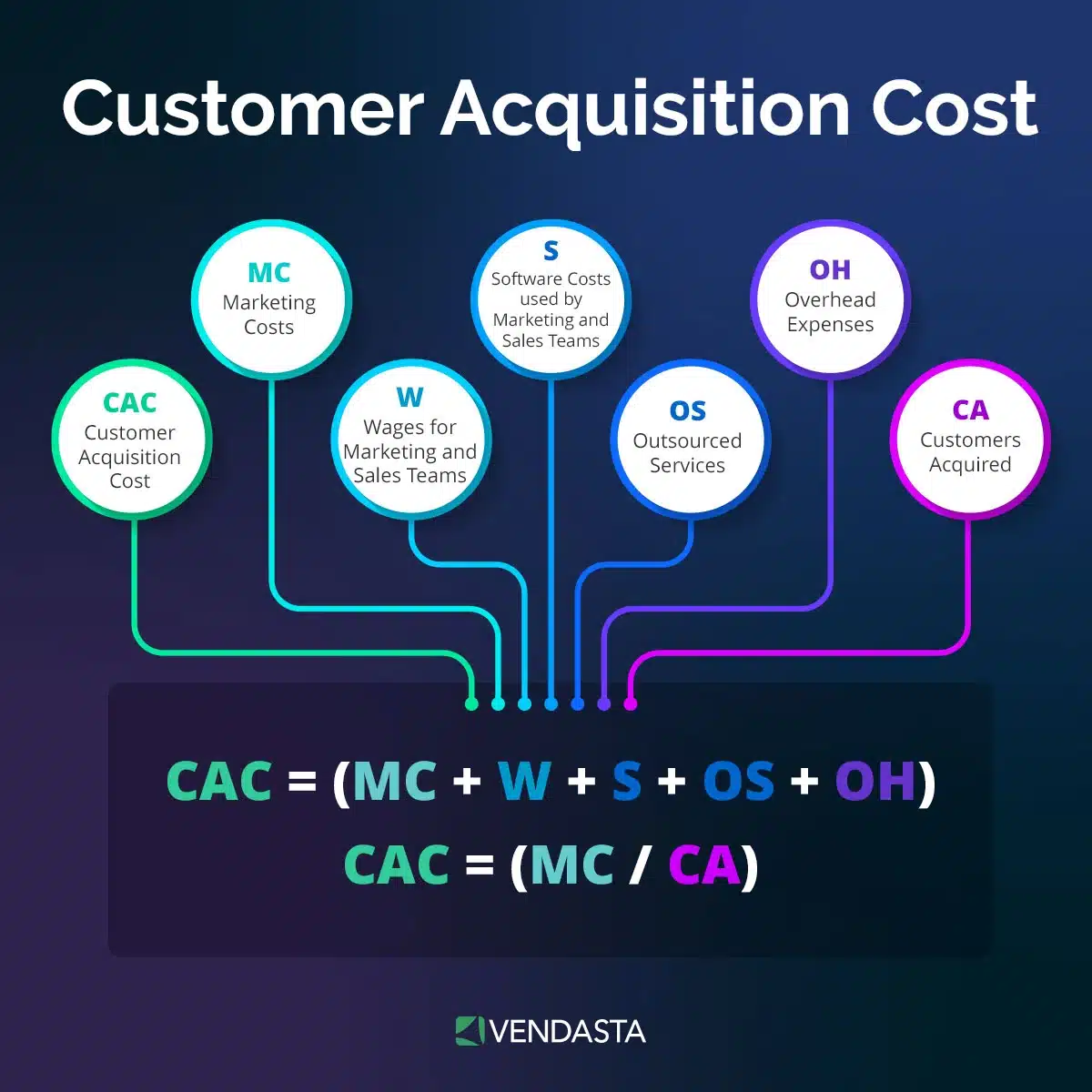
Use this formula to track performance and optimize your acquisition strategies over time.
Streamline Onboarding and Retention Strategies
Acquiring a customer is just the start. Retaining them increases your revenue and lifetime value.
Retention tips:
- Automate onboarding to give customers a smooth start.
- Personalize experiences based on purchase history and behavior.
- Engage with proactive support, AI chatbots, and review tools.
While acquiring new clients is essential, businesses often overlook the importance of keeping them. Implementing strong client retention strategies ensures your efforts don’t stop at the first sale, but continue building loyalty and long-term value.
Automate Follow-Ups and Nurture Campaigns
Keep your leads warm with consistent, automated communication.
Proven methods:
- Send automated follow-ups through email marketing, chat, and sms marketing.
- Use behavior-based triggers to personalize nurture campaigns.
- Offer promotions, helpful content, or demos to guide leads forward.
These strategies lower your customer acquisition cost and improve close rates.
Encourage Customer Advocacy and Referrals
Happy customers are your best marketers. Turn them into advocates.
How to build advocacy:
- Create referral programs with rewards for new leads.
- Use review generation tools to boost your online reputation.
- Share case studies and testimonials that build trust and credibility.
Customer Acquisition Metrics: What to Track and Why It Matters
Choosing the right customer acquisition platform means nothing if you cannot measure what it delivers. These are the core metrics every business should track—and the benchmarks to aim for when optimizing your strategy.
Customer Acquisition Cost (CAC)
CAC is your total sales and marketing spend divided by the number of new customers acquired in a given period. It is the foundational metric for understanding how efficiently your platform converts spend into clients. To calculate it, add up all marketing costs, sales team wages, software fees, and overhead, then divide by new customers won.
Formula: Total acquisition spend ÷ New customers acquired = CAC
Client Lifetime Value (CLV)
CLV is the total revenue a customer generates across the entire relationship with your business. A high CLV means your retention strategy is working alongside acquisition—and that you can afford to spend more to acquire each customer. As a general rule, healthy businesses maintain a CLV that is at least three times their CAC.
Target: CLV should be 3x or more your CAC
Conversion Rate (CVR)
Conversion rate measures the percentage of leads that become paying customers. Track it at each stage of your funnel—not just at the final close—so you can identify exactly where prospects are dropping off. Industry averages for business-to-business conversion rates typically range from 2 to 5 percent, with top-performing teams hitting 10 percent or higher.
B2B benchmark: 2–5% average; 10%+ for top performers
Time to Close (TTC)
Time to close tracks how long it takes from first contact to a signed deal. Automation and AI-driven follow-ups from your customer acquisition platform directly reduce this number. Research consistently shows that responding to a lead within five minutes dramatically increases conversion likelihood compared to responding hours later.
Key insight: Faster response times produce significantly higher close rates
Client Retention Rate (CRR)
Retention rate is the percentage of clients who stay with your business month over month. Higher retention lowers your effective CAC because existing clients require no acquisition spend. For SaaS and subscription-based businesses, a retention rate above 80 percent is the standard benchmark for a healthy customer acquisition model.
Target: 80% or higher retention rate (SaaS benchmark)
Return on Ad Spend (ROAS)
ROAS measures the revenue generated per dollar spent on paid acquisition channels. Integrated platforms improve ROAS by connecting ad spend directly to pipeline activity and closed revenue—giving you a complete picture rather than just click and impression data. A 4:1 ROAS ratio is the commonly accepted industry minimum for sustainable paid acquisition.
Target: 4:1 minimum (industry standard)
The CLV:CAC ratio is the single most important number to watch across all of these metrics. When this ratio drops below 1:1, you are spending more to acquire customers than they are worth. An integrated customer acquisition platform improves this ratio from both ends—lowering CAC through automation and increasing CLV through retention workflows—and makes it possible to track in real time across every client and channel from a single dashboard.
7 Customer Acquisition Mistakes That Drive Up Costs and Kill Growth
Even businesses with strong products and talented teams fall into the same traps. Knowing what breaks customer acquisition strategies is just as important as knowing what builds them. Avoid these seven mistakes to protect your pipeline and lower your customer acquisition cost.
Relying on a Single Acquisition Channel
Businesses that depend entirely on one channel—whether paid search, referrals, or cold email—are one algorithm change or market shift away from a pipeline drought. Diversification across email, SMS, social, and content channels creates stability and reduces risk. A customer acquisition platform that manages multi-channel campaigns from a single dashboard makes diversification manageable rather than overwhelming.
Failing to Follow Up Fast Enough
Research consistently shows that lead conversion rates drop dramatically when follow-up takes more than five minutes after initial contact. Most businesses respond hours or days later—by which point the prospect has moved on or spoken with a competitor. Speed of response is one of the highest-leverage variables in customer acquisition, and automated follow-up sequences triggered by lead behavior solve this problem without requiring manual reminders.
Tracking Vanity Metrics Instead of Acquisition Metrics
Website visits, social media followers, and email open rates feel good to report but tell you very little about acquisition efficiency. Without tracking CAC, conversion rate by channel, and CLV, it is impossible to know where to invest and what to cut. Centralizing reporting in a platform that surfaces these metrics automatically removes the guesswork from budget decisions.
Treating Acquisition and Retention as Separate Strategies
Many businesses invest heavily in acquisition and almost nothing in retention—then wonder why growth stalls. Losing a client erases the entire investment made to acquire them. Customer acquisition and retention are two halves of the same growth engine. Your platform should connect acquisition workflows directly to onboarding and retention automation so no client gets lost after the deal closes.
Using Generic Outreach Instead of Personalized Messaging
Spray-and-pray outreach burns your sender reputation, wastes budget, and signals to prospects that you do not understand their business. Personalization at the industry, company, and individual level consistently outperforms generic messaging across every acquisition channel. AI-driven tools like Vendasta’s Snapshot Report make it possible to personalize outreach at scale using prospect-specific data gathered before the first touchpoint.
Building Your Stack on Too Many Disconnected Tools
The average small business uses between 10 and 15 different software tools for sales and marketing. When those tools do not share data, you get duplicated contacts, inconsistent reporting, and campaigns that cannot learn from each other. Tool sprawl is a silent killer of acquisition efficiency. Consolidating into an all-in-one customer acquisition platform eliminates data silos and gives your team a single source of truth.
Scaling Spend Before Validating the Conversion Model
Increasing ad spend or expanding into new channels before your funnel is converting efficiently just amplifies the problem. Pouring budget into a leaky acquisition process increases CAC without improving results. Validate your conversion rate and follow-up workflows first using real-time reporting, confirm your benchmarks are being met, and then scale acquisition spend with confidence.
Avoiding these mistakes starts with having the right infrastructure in place. A well-configured customer acquisition platform eliminates most of these issues by design—automating follow-ups, centralizing data, and connecting acquisition to retention from day one.
How Vendasta’s Platform Revolutionizes Customer Acquisition
Vendasta combines AI, automation, and your business’s data to deliver a smarter, more efficient way to attract, engage, and retain customers. Unlike other customer acquisition platforms, Vendasta turns insights into action—helping you lower customer acquisition cost and boost results.
AI Employees: Automating Customer Acquisition & Engagement
Vendasta’s AI Employees go beyond simple automation. They optimize your entire customer journey by:
- Identifying high-intent leads and launching outreach across social media, email marketing, and sms marketing.
- Personalizing engagement based on real-time customer behavior and trends.
- Adjusting campaigns automatically when performance drops.

AI now plays a critical role in engaging prospects and customers in real-time. Advanced platforms leverage AI customer engagement tactics to personalize communication, making every touchpoint more impactful.
Powered by a Business’s Unique Data
Vendasta uses your proprietary data—purchase history, customer interactions, and market trends—to power smarter customer acquisition tools.
Here’s what you gain:
- Predictive AI recommending the best outreach and retention strategies.
- Automated, data-driven campaigns designed to improve conversion rates.
- Deep customer behavior analysis that refines your services and sales offers.
Smart Automations for Workflow Efficiency
Vendasta automates time-consuming tasks, so your team can focus on growing revenue.
Key automations include:
- AI-powered lead nurturing with follow-ups, meeting scheduling, and engagement triggers.
- Continuous campaign optimization based on real-time performance.
- Automated onboarding, appointment setting, and customer support.
These smart workflows reduce friction and improve client experience—helping you scale faster.
Seamless Partner-SMB Collaboration
For agencies, franchisors, and MSPs, collaborating with SMB clients is often messy. Vendasta fixes that by creating a unified system where partners and clients work together.
Collaboration made easy with:
- Shared, white-label dashboards offering full visibility into performance.
- AI-powered task management for smooth project execution.
- Automated reporting with actionable insights for better retention.
Vendasta keeps everyone aligned and focused on what matters—growth and results.
An All-in-One Platform That Replaces Disjointed Tools
Where most platforms handle only one piece—CRM, email marketing, or lead generation—Vendasta delivers everything in one place:
- Marketing automation, lead generation, and sales pipeline management.
- Reputation management and AI-driven engagement to strengthen loyalty.
- E-commerce, billing, and fulfillment powered by 250+ white-label solutions.
Ready to replace scattered systems with an all-in-one solution? Vendasta is your competitive edge. Platforms that offer AI marketing automation help agencies optimize campaigns in real time, ensuring better returns on every dollar spent.
Harness the Power of a Customer Acquisition Platform
Choosing the right customer acquisition platform is essential to scaling your business and delivering measurable results for your clients.
An integrated platform streamlines every workflow—reducing manual tasks, improving collaboration, and cutting your customer acquisition cost. With AI-driven strategies, you gain the competitive edge needed to convert more leads and strengthen retention.
Vendasta helps you attract, engage, and retain customers—an all-in-one white-label solution built for agencies, franchisors, and MSPs.
Ready to see it in action? Schedule a demo today to learn how Vendasta’s platform can elevate your customer acquisition services and accelerate your growth.
Customer Acquisition Platform FAQs
1. What is a customer acquisition platform?
A customer acquisition platform is an all-in-one system that helps you attract leads, convert them, and retain them. It combines marketing, sales, automation, and reporting so your funnel stays connected end to end.
2. How is a customer acquisition platform different from a CRM?
A CRM mainly manages contacts and pipelines after a lead is already captured. A customer acquisition platform covers the full journey, including lead generation, outreach, follow-ups, and lifecycle reporting, not just relationship tracking.
3. Who should use a customer acquisition platform?
It’s a strong fit if you rely on multiple channels like email, social, SMS, and paid ads and want everything tied to a single journey. It’s also ideal for agencies, franchisors, and teams supporting SMBs at scale.
4. What features should I look for in a customer acquisition platform?
Prioritize lead capture, automation, multi-channel messaging, pipeline tracking, and reporting for CAC and lifetime value. Bonus points if it includes AI for lead scoring and personalized follow-ups.
5. Can a customer acquisition platform reduce customer acquisition cost (CAC)?
Yes, when it removes tool switching and automates follow-ups so leads don’t go cold. The biggest CAC wins usually come from faster response times, better targeting, and cleaner handoffs between marketing and sales.
6. Do customer acquisition platforms replace marketing automation tools?
Sometimes, but not always. Many platforms include built-in automation that covers email, SMS, and nurture flows. If you already use a marketing tool, the key is whether the platform integrates cleanly and centralizes reporting.
7. How does AI improve customer acquisition performance?
AI can score leads, personalize outreach, and trigger follow-ups based on behavior signals. It also helps teams spot what’s working faster so budgets move toward the channels and messages that convert.
8. What is the best customer acquisition platform for agencies serving SMBs?
Vendasta is built specifically for this use case because it connects lead capture, automation, CRM workflows, and retention tools in one white-label system. It’s designed to help partners manage acquisition across many clients without chaos.
9. How long does it take to implement a customer acquisition platform?
If your data is organized, many teams can launch core workflows in days, not months. Start with lead capture + follow-ups first, then layer in reporting, nurture campaigns, and retention automations.
10. How does Vendasta support customer acquisition end-to-end?
Vendasta links marketing, Conversations AI, CRM activity, automated follow-ups, and reporting so every lead becomes trackable action. Instead of treating calls, emails, and campaigns separately, it keeps the full customer journey connected.
11. What’s the difference between CAC and CPA?
CAC (customer acquisition cost) measures the total cost to acquire a paying customer, while CPA (cost per acquisition) measures the cost of a specific conversion action — such as a form fill, trial signup, or lead — which may or may not become a paying customer. CPA measures campaign efficiency, while CAC covers your whole acquisition strategy. CAC is a business-level metric; CPA is a campaign-level metric.
In practice, CPA helps you optimize individual campaigns and channels, while CAC tells you whether your entire acquisition model is profitable. CAC includes all costs — and your CAC is effectively the sum of all your CPAs across every channel, adjusted for how many of those conversions actually close into paying customers. A customer acquisition platform that tracks both in one dashboard gives you the visibility to optimize at every level without switching between tools.
12. What are the CX tools?
CX tools (customer experience tools) are software solutions that help businesses manage, improve, and measure every interaction a customer has with their brand — from first contact through long-term retention. CX spans everything — from support desks and contact centers to feedback programs, journey analytics, and personalization engines.
Common categories include:
- Feedback management tools — collect and analyze customer feedback from surveys and reviews
- Live chat and AI chatbots — engage customers in real time on your website or messaging channels
- Customer journey mapping tools — visualize the customer journey across various touchpoints
- Support and service tools — manage customer service interactions and track agent performance
- Personalization and engagement tools — develop unique, personalized campaigns that engage your customer base
- Client portals and reporting dashboards — give customers transparent access to their results and account activity
In the context of a customer acquisition platform, CX tools are not separate software — they are built into the same system that generates and converts leads. Vendasta integrates CX capabilities, including Conversations AI, reputation management, and white-label client portals, directly into its platform, so the experience a customer has from first touch through ongoing engagement is managed in one connected workflow.
13. What is a good CAC for an app?
A good CAC for a mobile or SaaS app depends on the monetization model, but the widely accepted benchmark is that CAC should be no more than one-third of customer lifetime value (CLV). Aim for 3:1 minimum — meaning you should generate at least three dollars in lifetime value for every dollar spent on acquisition.
CAC varies significantly by business type and contract value. B2B SaaS averages $1,200 per customer due to longer sales cycles, while retail and ecommerce businesses typically see CAC closer to $50 due to faster transactions and broader audiences. Consumer apps tend to fall somewhere in between, depending on whether acquisition is self-serve or sales-assisted.
The most important number is not CAC in isolation — it’s how quickly you recover that investment. Target 9–18 months for CAC payback, depending on your ARR stage. A customer acquisition platform lowers CAC by automating lead generation, reducing time-to-close, and improving retention so CLV grows relative to what you spend to acquire each customer.