About Us
 Careers
 Leadership
 Board
Board Newsroom
Franchise lead generation is one of the most critical growth levers for any franchise brand, yet most networks are quietly hemorrhaging leads every single day. Franchisees miss calls. Follow-up is slow or inconsistent. Middle-of-funnel prospects go cold before anyone picks up the phone. Corporate teams set ambitious revenue targets, only to watch performance vary wildly from location to location, with no clear way to fix it at scale.
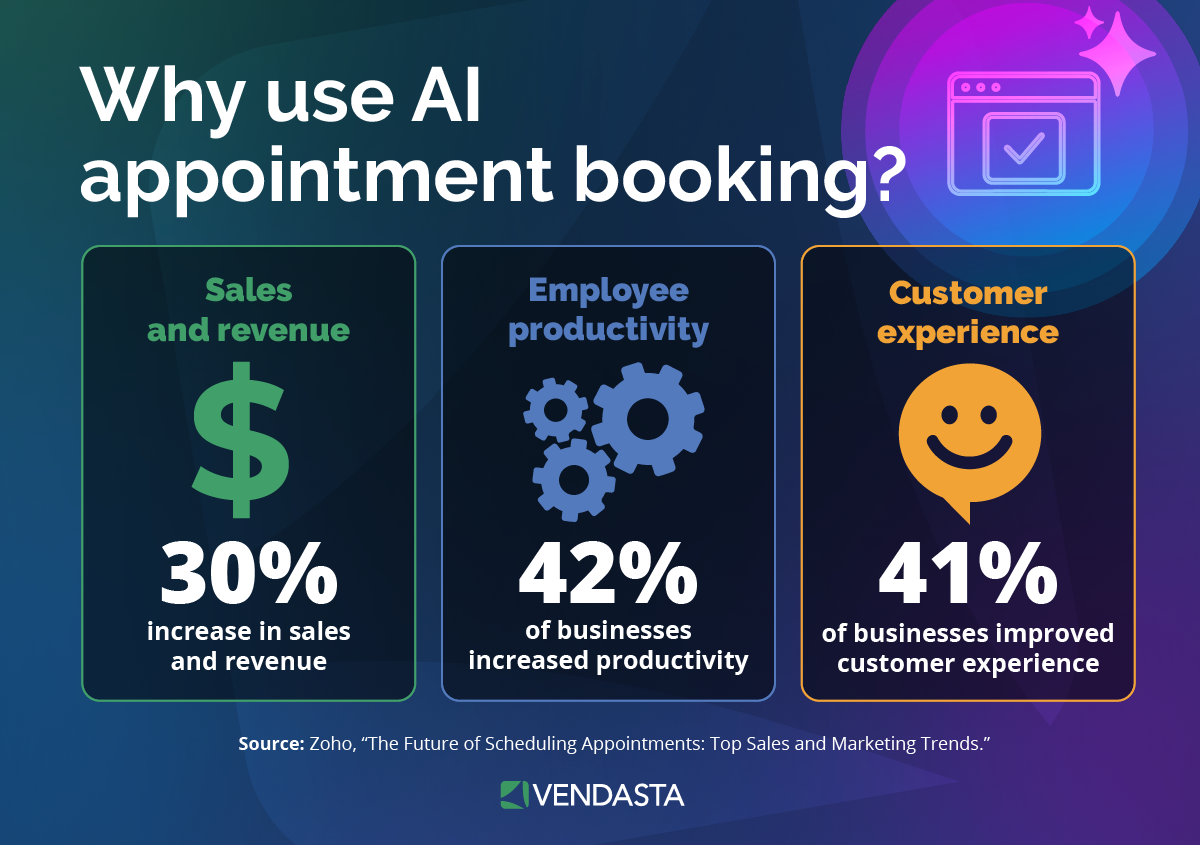
The real problem is not a lack of leads. It is a leaky pipeline. Research suggests that businesses lose up to 30% of inbound leads simply by missing calls or failing to follow up quickly enough. For a franchise network with dozens or hundreds of locations, that represents a staggering amount of lost revenue compounding every month.
Here is the good news: solving franchise lead generation no longer requires hiring more people, adding more vendors, or managing location-by-location chaos. The right platform lets you set the standard once and deploy it everywhere, so every location can win more customers consistently — capturing, nurturing, and converting without corporate chasing each one.
This guide covers everything you need to know about franchise lead generation, from foundational strategies to AI-powered tools that close the gap between captured leads and booked jobs.
Streamline operations and ensure brand consistency for franchise success
TL;DR
- The leak is bigger than you think: Most franchises lose around 30% of leads to missed calls and slow follow-up, but the bigger problem is MOFU and BOFU prospects who never convert, not just missed first calls.
- Consistency at scale is the real challenge: Franchise lead generation fails when follow-up speed and quality vary by location. Network-wide standards, deployed through automation and AI, are the only scalable fix.
- AI closes the gap: Platforms like Vendasta let corporate teams set lead capture and follow-up standards once, then enforce them across every franchisee location automatically, 24/7.
What Is Franchise Lead Generation?
Franchise lead generation is the process of attracting, capturing, and nurturing prospective customers for individual franchise locations, often managed or standardized at the corporate level. It spans every touchpoint in the customer journey, from the first search or social impression to the moment a prospect books an appointment or requests a quote.
Unlike single-location businesses, franchises face a unique dual challenge. Corporate must drive leads and revenue across an entire network, while individual franchisees execute at the local level. That tension creates the most common failure points: inconsistent follow-up, missed calls, and no centralized visibility into what is actually working.
Effective franchise sales lead generation solves for both sides of that equation. It gives corporate the infrastructure to set and enforce standards, and it gives franchisees the tools to execute confidently without constant hand-holding.
Why Franchise Lead Generation Is Different (and Harder) Than You Think
At a single-location business, a missed call or slow follow-up is a management problem. At a franchise network, it is a systemic one.
Here is what that looks like in practice. A homeowner searches for a local HVAC company, finds a franchisee’s Google Business Profile, and calls. No one answers. The homeowner moves on to the next result. Corporate never sees it happen. The franchisee may not even know. Multiply that by hundreds of locations and thousands of leads per month, and the revenue loss becomes enormous.
But missed calls are only part of the problem. Many franchises invest heavily in top-of-funnel activity, then lose leads in the middle and bottom of the funnel: prospects who filled out a form but never got a timely callback, leads who came in after hours and never got a response, or warm contacts who received one follow-up message and were never heard from again.
The core challenges that make franchise lead generation — compared to AI lead generation for local businesses at the single-location level — uniquely difficult include:
- After-hours lead loss: Many franchise service businesses operate 8-to-5, but consumers search and inquire around the clock. Leads that come in after 5 PM on a Friday often do not get a response until Monday at the earliest, by which point they have booked with a competitor.
- Inconsistent follow-up speed: Research from Harvard Business Review found that companies responding to leads within one hour are nearly seven times more likely to qualify those leads than those who wait longer. Most franchisees cannot hit that window consistently.
- No network-wide visibility: Without centralized data, corporate teams cannot identify which locations are underperforming, why leads are dropping off, or what tactics are actually driving booked jobs.
- Fragmented tech stacks: Many franchise networks are running separate tools for chat, phone, CRM, email, SMS, and review management. These tools do not talk to each other, and franchisees often adopt or abandon them at will.
- Franchisee capacity constraints: Small-business owners wearing multiple hats cannot be expected to execute sophisticated lead nurturing workflows. The burden falls on corporate, but manual oversight at the location level is not scalable.
How to Generate Franchise Leads: A Strategy-First Framework
Before diving into tactics, it is worth establishing a framework. The strongest franchise lead generation strategies operate across three phases: awareness, capture, and conversion. Most franchises invest in awareness but underinvest in capture and conversion, which is where the real revenue is lost.
Phase 1: Build Awareness at the Local Level
Awareness-stage strategies get your franchise locations in front of the right people at the right time. For home services franchises especially, this means showing up where consumers are actively searching for help.
Local SEO and Google Business Profile optimization are foundational. A franchisee’s Google Business Profile is often the first touchpoint for a potential customer. Profiles with accurate information, recent photos, and a steady stream of positive reviews consistently outrank those that are neglected. Corporate can set the standard for GBP management, but without a centralized tool to enforce it, execution falls off fast.
Paid local search (Google Local Services Ads) is one of the highest-ROI channels for home services franchises. Google Local Services Ads place your franchise at the very top of search results with a Google Guarantee badge, and you only pay for verified leads. Managing these across dozens of locations requires either a dedicated team or a platform that centralizes campaign management.
Social media presence at the local level adds a layer of trust and discovery. Homeowners often research service businesses on Facebook or Instagram before calling. Consistent, branded content at the local level builds credibility even when a prospect is not yet ready to book.
Phase 2: Capture Every Lead, Every Time
Awareness without capture is wasted spend. This is where most franchise networks have the biggest opportunity, and the biggest gap.
24/7 lead capture is no longer a nice-to-have. If a prospect can reach your location and communicate with your brand at any hour without a human needing to be present, you stop losing the after-hours volume. Automated lead capture tools make this possible at scale without adding headcount.
Consistent call handling across every location means no lead falls through because a franchisee was on another job or closed for the day. An AI receptionist can answer calls, collect lead information, answer common questions, and even book appointments without any human involvement.
Unified lead intake ensures that every lead, regardless of channel, flows into a single system that corporate and franchisees can see. When leads come in through phone, web chat, SMS, and third-party directories all at once, siloed tools create gaps. A connected platform closes them.
Phase 3: Nurture and Convert the Leads You Already Have
This is the most underappreciated phase of franchise lead generation. For most franchise networks, there are hundreds or thousands of leads already in the pipeline who came in, did not immediately convert, and were never followed up with in a meaningful way.
Think about the prospect who requested a quote two weeks ago, did not respond to one follow-up call, and was marked as cold. Or the person who started a web chat at 9 PM on a Sunday, got a generic autoresponse and moved on. These are warm leads, not dead ones. With the right AI lead nurturing sequences in place, a meaningful percentage of them can still be converted.
Automated multi-touch follow-up sequences using SMS and email let franchisees stay top-of-mind with leads who did not book on first contact. Research from Salesforce indicates it often takes multiple touchpoints before a prospect converts. Most franchisees stop at one or two.
Re-engagement campaigns for older leads in the CRM can surface hidden revenue. These are people who have already shown intent; they just need the right message at the right time.
Top Franchise Lead Generation Strategies
The following franchise lead generation strategies are used by high-performing networks to consistently fill their pipelines and drive booked jobs across every location.
1. Centralized Local SEO Management
Local SEO is the backbone of organic lead generation for home services franchises. When a homeowner searches for “residential cleaning near me” or “HVAC repair in [city],” showing up in the local map pack can be the difference between a booked job and a missed one.
Key local SEO tactics for franchise networks include:
- Ensuring accurate and consistent NAP (name, address, phone) data across all directories
- Optimizing each location’s Google Business Profile with photos, services, hours, and Q&A
- Building location-specific landing pages for each franchisee
- Managing online reviews at scale to maintain high ratings and fresh feedback
- Syncing business data automatically across major platforms like Google, Facebook, Bing, and Apple Maps
Platforms like Vendasta offer centralized listing sync and franchise SEO management tools that let corporate maintain accuracy and consistency across every franchise location without requiring each franchisee to manage it manually.
2. AI-Powered Lead Capture and Response
Speed-to-lead is one of the most significant drivers of franchise conversion rates. Studies show that responding to a lead within five minutes is exponentially more effective than responding within 30 minutes. For franchise networks, achieving that kind of speed across every location, around the clock, requires automation.
AI-powered lead capture tools handle this automatically:
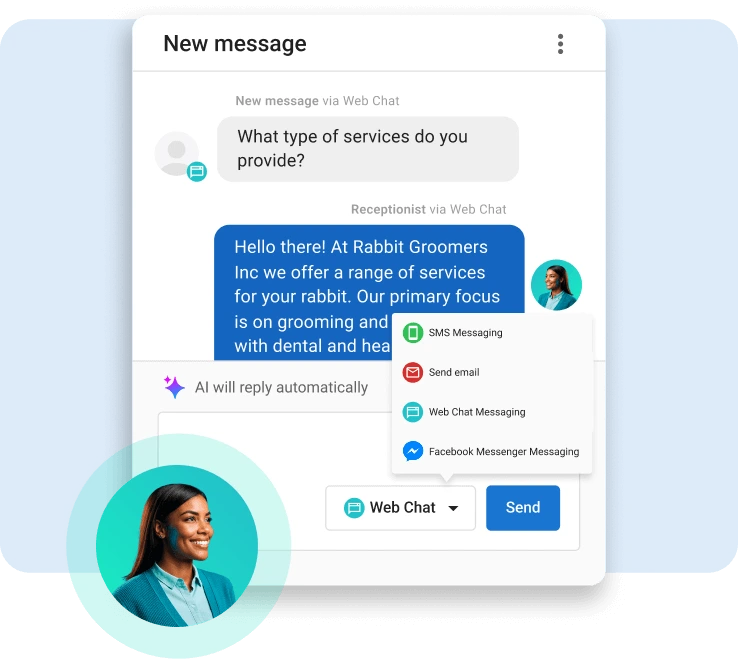
- An AI chatbot for lead capture engages website visitors in real time, answers questions, collects contact information, and qualifies leads before a human ever needs to get involved.
- AI voice receptionists answer inbound calls 24/7, capturing lead information, answering common questions, and booking appointments even outside business hours.
- AI SMS follow-up sends immediate, personalized responses to inbound leads from web forms, missed calls, or chat, so no inquiry goes unanswered.
Vendasta’s AI Receptionist is built for exactly this use case. It captures leads through phone, chat, and SMS, responds immediately, and routes conversations appropriately, so franchisees never lose a lead to an unanswered call or a slow response.
3. Reputation Management and Review Generation
Online reviews are a direct driver of franchise lead generation. BrightLocal research consistently shows that the majority of consumers read reviews before choosing a local service provider, and that star rating directly impacts click-through rate from local search results.
For franchise networks, reputation management at scale means:
- Automating review requests after service completion at every location
- Responding to reviews quickly and professionally, both positive and negative
- Monitoring sentiment trends across the network to identify underperforming locations
- Ensuring review volume stays current, since recency matters to both consumers and search algorithms
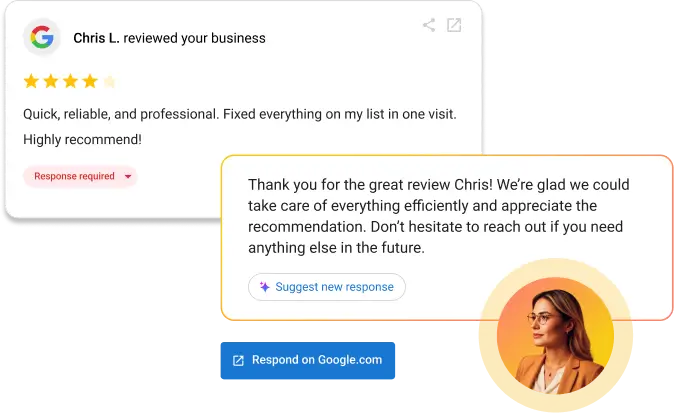
Vendasta’s AI reputation management automates this entire workflow. An AI Reputation Specialist sends review requests, generates personalized AI-drafted responses, and surfaces key trends, so the corporate can maintain brand standards and franchisees can grow their local reputation without additional overhead.
4. Paid Search and Local Services Ads
Google Local Services Ads (LSAs) are among the most effective paid channels for home services franchise lead generation. They appear above traditional search ads, include a Google Guarantee badge, and charge only for verified leads, making them highly cost-efficient.
Best practices for franchise paid search include:
- Running LSAs at the location level with location-specific budgets and targeting
- Tracking lead quality, not just volume, to optimize spend across the network
- Aligning paid search with local SEO so the two channels reinforce each other
- Pausing or redistributing budget from locations with strong organic performance to those that need more support
5. Social Media Marketing at the Local Level
Social media is both a brand-building and lead generation channel for franchise networks. Consistent, localized content builds awareness and trust in each market, while targeted social ads can drive direct lead volume. An AI-powered social media marketing approach helps franchise teams create and publish content at scale without overwhelming local operators.
Franchisors that perform best on social media typically:
- Create a content library that franchisees can customize and publish locally
- Run franchise-wide paid social campaigns with location-specific targeting
- Monitor and respond to comments and messages at the local level
- Use social proof (reviews, job photos, before-and-afters) to build credibility in local markets
6. Multi-Touch Lead Nurture Campaigns
Not every lead converts on first contact. A prospect who filled out a quote form but did not respond to a single follow-up call is not a dead lead. They are a lead that was not followed up with enough persistence, personalization, or timing.
Effective lead nurture for franchise networks relies on:
- Automated SMS and email sequences triggered by lead actions (form fills, missed calls, web chat)
- Personalized messaging based on the service the prospect was interested in
- Re-engagement campaigns for leads that went cold after initial contact
- Clear handoff workflows so the right person follows up at the right time
Vendasta’s AI SMS campaigns and conversational AI platform handle this at the network level. Corporate sets the sequences; AI executes them at every location, every time.
7. CRM and Pipeline Management
A franchise network without a centralized CRM is flying blind. Without visibility into the full pipeline, corporate cannot identify where leads are dropping off, which locations are converting best, or how to allocate marketing support effectively.
A strong franchise CRM should:
- Capture every lead automatically from all inbound channels
- Track pipeline stages at both the location and network level
- Surface conversion metrics and identify bottlenecks
- Automate data entry and follow-up task creation so franchisees do not have to do it manually
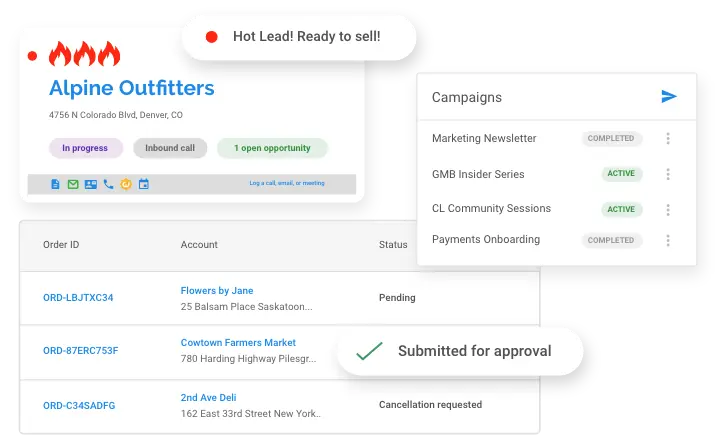
The best CRM platforms with AI handle this automatically, capturing sales conversations, updating records, and surfacing opportunities so franchisees spend their time selling, not doing data entry.
8. Franchisee Enablement and Consistency
Even the best lead generation strategy fails if individual franchisees cannot execute it consistently. One of the biggest drivers of uneven network performance is the gap between what corporate intends and what franchisees actually do.
Franchisors can close this gap by:
- Providing franchisees with a single, branded platform for all local marketing
- Automating lead capture and follow-up so execution does not depend on franchisee bandwidth
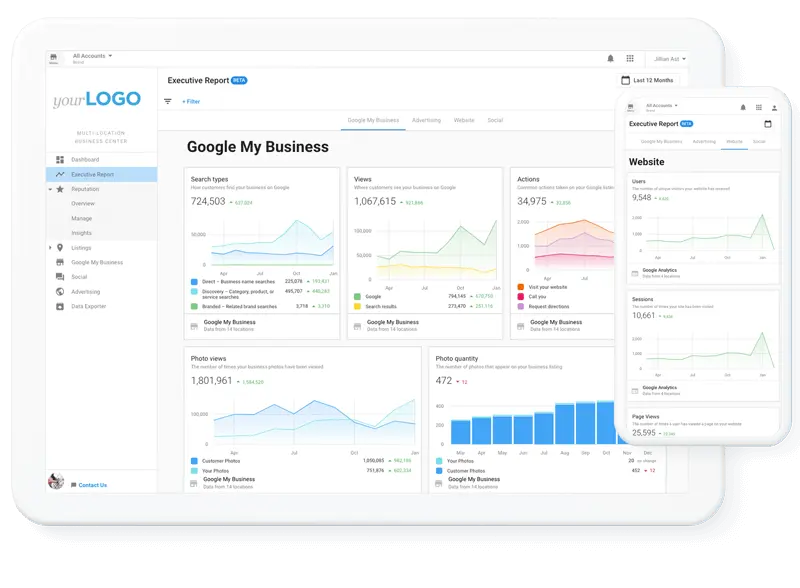
- Using network-wide performance dashboards to identify locations that need support
- Reducing the number of tools franchisees are expected to manage with purpose-built franchise management software
How AI Is Transforming Franchise Lead Generation
AI is not a future trend in franchise lead generation; it is the present competitive advantage for networks that are adopting it now. The most impactful applications are not about replacing humans. They are about making it impossible to miss a lead, no matter the hour, location, or volume.
What AI Does Better Than Human Teams at Scale
| Task | Human Team | AI Platform |
|---|---|---|
| Respond to inbound leads | Business hours only, inconsistent speed | 24/7, instant response |
| Follow up with cold leads | Depends on rep availability and memory | Automated sequences, never misses |
| Book appointments | Requires staff availability | Handled by an AI receptionist at any hour |
| Request reviews post-service | Manual and inconsistent | Automated, triggered by job completion |
| Update CRM records | Time-consuming, often skipped | Auto-captured from conversations |
| Respond to online reviews | Slow, inconsistent tone | AI-drafted, personalized, immediate |
| Network-wide performance reporting | Manual aggregation, lagging data | Real-time dashboards, location-level data |
Vendasta’s AI Workforce for Franchise Networks
Vendasta’s AI Workforce is purpose-built for franchise brands that need consistent lead generation and customer acquisition across every location without requiring corporate to manage each one individually.

The platform includes a suite of specialized AI employees, each handling a specific role in the lead generation and customer acquisition journey:
- AI Receptionist: Answers calls, chats, and texts 24/7. Captures lead information, answers questions, and books appointments automatically, even outside business hours. Every location gets an always-on frontline, regardless of whether staff are available.
- AI Inside Salesperson: Follows up with leads automatically via SMS and email, runs re-engagement campaigns for leads that went cold, and escalates high-intent prospects for human follow-up.
- AI Reputation Specialist: Sends review requests after service completion, drafts personalized responses to reviews, and surfaces sentiment trends so the corporate can monitor reputation health across the network.
- AI Sales Assistant: Captures meeting outcomes, updates CRM records automatically, and surfaces open opportunities so franchisees always know who to call next.
Vendasta’s Conversations AI powers all of it. With a reported 372% increase in lead-to-revenue conversion, it is the engine that moves leads from first contact to booked job, automatically.
Franchise Lead Generation: Online vs. Offline Channels
While digital channels dominate modern franchise lead generation, offline tactics still play a meaningful role in specific markets and verticals. Here is how the two compare:
| Channel | Type | Best For | Scalability for Franchises |
|---|---|---|---|
| Google Business Profile + Local SEO | Online | High-intent local searches | High with centralized management |
| Google Local Services Ads | Online (Paid) | Immediate lead volume | High with network-level management |
| AI Web Chat | Online | After-hours capture, instant engagement | Very High |
| Social Media (Organic + Paid) | Online | Brand awareness and local trust | High with content libraries |
| Email and SMS Campaigns | Online | Nurturing and re-engagement | Very High with automation |
| Direct Mail | Offline | Saturated digital markets, high-value services | Moderate |
| Community Events / Sponsorships | Offline | Local trust and brand building | Low (franchisee-dependent) |
| Referral Programs | Both | High-quality leads at low cost | Moderate with standardized incentives |
For most home services franchise networks, the highest-ROI investments are in local SEO, paid search, and AI-powered lead capture and nurture. These are the channels that generate the most volume and are the most scalable across a large network. A clear digital marketing strategy that ties all three together gives corporate the structure to optimize spend and performance consistently.
Measuring Franchise Lead Generation Performance
You cannot improve what you cannot measure. For corporate franchise marketing teams, having visibility into lead generation performance at both the network and location levels is foundational to making smart strategic decisions.
Key Metrics to Track
- Lead volume by location: Which franchisees are generating the most leads? Which are underperforming relative to their market size?
- Lead response time: How quickly is each location responding to new inquiries? This is one of the highest-impact conversion factors.
- Lead-to-appointment rate: What percentage of leads are booking a consultation or service appointment?
- Appointment-to-close rate: Of the appointments booked, how many result in a paid job?
- Cost per lead (CPL) by channel: Which channels are generating leads most efficiently?
- Review volume and average rating: Reputation metrics are leading indicators of future lead volume.
- Missed call rate: A critical metric that most franchises do not actively track but directly correlates to lead loss.
Setting Network-Wide Standards
Once you have baseline data, set performance benchmarks for the network. What is the acceptable lead response time? What is the minimum expected lead-to-appointment conversion rate? What review rating should every location maintain?
Then build systems to enforce those standards automatically, using AI for lead capture and follow-up, and centralized dashboards for visibility. The goal is to make high performance the default at every location, not the exception at the best ones. This is where AI workflow automation becomes a genuine competitive advantage, removing the manual effort that typically causes standards to slip.
Common Franchise Lead Generation Mistakes to Avoid
Even well-resourced franchise networks fall into predictable traps when it comes to lead generation. Recognizing and correcting these mistakes can have an immediate impact on network-wide revenue.
Mistake 1: Treating All Unresponsive Leads as Dead
A lead that did not convert on first contact is not a dead lead. It is often a lead that was not followed up with enough persistence, personalization, or timing. Automated re-engagement campaigns can recover a meaningful percentage of these leads without any additional marketing spend. Using AI lead scoring to prioritize which dormant leads to re-engage first makes this process even more efficient.
Mistake 2: Relying on Franchisees to Own Follow-Up
Franchisees are running service businesses. Their bandwidth is limited, and their expertise is in the trade, not lead nurturing. Expecting consistent, timely follow-up from every franchisee without automation is setting them up to fail. Corporate should own the follow-up system; franchisees should execute the service.
Mistake 3: Ignoring After-Hours Lead Volume
Consumers search for home services after dinner, on weekends, and during lunch breaks. Without 24/7 lead capture infrastructure, franchises are systematically losing a large share of their addressable market. An AI answering service at every location eliminates this gap by engaging leads around the clock, not just during business hours.

Mistake 4: Running Disconnected Tools
Separate tools for chat, phone, CRM, email, SMS, reviews, and listings create data silos and gaps in the customer journey. When a lead calls, then texts, then fills out a form, they should appear as one unified contact in one system. Fragmented tech stacks make that impossible and create inconsistent experiences that hurt conversion.
Mistake 5: Measuring Leads Instead of Revenue
Lead volume is a vanity metric if it is not tied to booked jobs and closed revenue. The most important metrics in franchise sales lead generation are conversion rates at each stage of the funnel, not the top-line number of inquiries. Franchises that optimize for quality and speed-to-response consistently outperform those chasing raw volume.
Building a Franchise Lead Generation System That Scales
The highest-performing franchise networks treat lead generation as a system, not a collection of disconnected tactics. Here is a step-by-step approach to building one.
Step 1: Audit Your Current Lead Capture and Response
Before investing in new tactics, understand where leads are currently being lost. Conduct a network-wide audit covering missed call rates, average response times, lead source breakdown, and conversion rates by stage. This data will tell you where to focus first.
Step 2: Standardize Your Lead Intake Process
Define what should happen the moment a lead comes in, regardless of channel or location. Who gets notified? What is the response message? What is the follow-up sequence? Document this standard, then automate it so it does not depend on individual franchisee behavior.
Step 3: Deploy AI for After-Hours and High-Volume Coverage
Implement AI voice and chat at every location to capture and respond to leads outside business hours. An AI receptionist can handle the initial greeting, book appointments, collect lead data, and escalate urgent inquiries, so franchisees never lose a lead to an unanswered call.
Step 4: Build Automated Nurture Sequences
Set up automated SMS and email sequences for leads that do not convert immediately. A three-to-five touch sequence over two weeks, triggered automatically by a lead’s initial inquiry, can meaningfully improve conversion without requiring any manual effort from franchisees. The customer journey automation tools available today make this straightforward to configure once and deploy network-wide.

Step 5: Centralize Your Data and Reporting
Connect all your lead generation channels into a single customer acquisition platform with network-level reporting. Use this data to identify which locations need support, which channels are performing, and where the biggest conversion gaps exist. Make decisions based on data, not assumptions.
Step 6: Iterate and Optimize
Lead generation is not a set-it-and-forget-it function. Review performance monthly, A/B test follow-up sequences and messaging, and continuously refine your approach based on what the data shows. The franchises that win are the ones that treat marketing as an ongoing optimization process.
Franchise Lead Generation Software and Tools
Having the right tools in place is essential for executing franchise lead generation at scale. Here are the key categories of tools franchise networks should consider.
1. Vendasta: AI Customer Acquisition and Engagement Platform
Vendasta is an end-to-end AI customer acquisition platform built specifically for franchise networks and the partners who support them. It combines AI-powered lead capture, CRM, reputation management, local SEO, social marketing, and automated follow-up in a single connected platform.
Key capabilities for franchise lead generation:
- AI Receptionist for 24/7 lead capture via phone, web chat, and SMS
- AI SMS and email campaigns for automated lead nurture
- Reputation AI for automated review requests and responses
- Local SEO and listing sync across every franchise location
- CRM AI with automated data capture and pipeline management
- Network-level dashboards for corporate visibility and reporting
Vendasta lets franchisors set the standard once and deploy it everywhere, replacing fragmented vendor relationships with a unified platform that every location can use.
2. Google Business Profile (Free)
Google Business Profile is the single most important free tool for local franchise lead generation. A fully optimized profile drives local search visibility, enables direct lead intake through calls and messages, and is a primary driver of organic discovery for home services businesses.
3. Google Local Services Ads
LSAs are a pay-per-lead channel that places franchise locations at the top of Google search results with a Google Guarantee badge. For home services franchises, LSAs consistently deliver high-quality leads at a competitive cost.
4. CRM Platform
A CRM is essential for tracking leads through the pipeline, managing follow-up, and reporting on conversion performance at the location and network level. The best franchise CRM solutions integrate directly with lead capture tools to eliminate manual data entry.
5. Review Management Software
Given the direct relationship between online reviews and local search performance, a dedicated review management tool that automates request sending, monitors new reviews, and facilitates responses is a core component of any franchise lead generation stack. Tools that use AI-generated review responses let franchisees maintain a consistent, professional brand voice without requiring the time they do not have.
Conclusion
Franchise lead generation is not just a marketing challenge; it is a systems challenge. The franchises that consistently outperform their peers are not necessarily the ones with the biggest ad budgets or the most aggressive outbound strategies. They are the ones who have built reliable systems for capturing, responding to, and converting leads at every location, every day, regardless of whether a human is available to handle it.
The leaky bucket problem is real, and it is costing franchise networks more than most corporate marketing teams realize. Missed calls, slow follow-up, disconnected tools, and inconsistent franchisee execution are not inevitable. They are solvable with the right platform, the right automation, and the right standards set at the corporate level.
Platforms like Vendasta make it possible to set those standards once and enforce them everywhere, giving franchisors the network-wide consistency they need and franchisees the tools they need to win in their local markets. In a category where speed, responsiveness, and trust are the primary purchase drivers, building a lead generation system that never sleeps is not just a competitive advantage. It is the new baseline.
Request a demo with Vendasta today!
Franchise Lead Generation FAQs
1. What is franchise lead generation?
Franchise lead generation is the process of attracting, capturing, and nurturing potential customers for individual franchise locations, typically coordinated or standardized at the corporate level. It includes both digital and offline tactics designed to move prospects from awareness to booked appointments or purchases.
2. What are the most effective franchise lead generation strategies?
The most effective franchise lead generation strategies include local SEO, Google Local Services Ads, AI-powered 24/7 lead capture, reputation management, and automated multi-touch follow-up sequences. The key is combining high-quality top-of-funnel traffic with consistent, automated nurture to convert leads that do not book on first contact.
3. How does AI improve franchise lead generation?
AI improves franchise lead generation by responding to leads instantly, 24/7, across every location, without requiring human availability. Platforms like Vendasta use AI to answer calls, follow up via SMS, book appointments, manage reviews, and update CRM records automatically, ensuring no lead is ever missed or left unengaged.
4. Why do franchises lose leads after hours?
Most franchises lose after-hours leads because they lack 24/7 coverage for calls, chats, and form submissions. When a consumer inquires outside business hours and receives no immediate response, they typically move on to a competitor. AI-powered receptionists and chat tools eliminate this gap by engaging leads around the clock.
5. How can franchisors standardize lead generation across all locations?
Franchisors can standardize lead generation by deploying a centralized platform that automates lead capture, follow-up, and reporting at every location. Tools like Vendasta let the corporate set the standards once, then enforce them network-wide through AI automation, ensuring every franchisee executes consistently without constant oversight.
6. What is the biggest mistake franchises make in lead generation?
The biggest mistake is treating unresponsive leads as dead leads. Many franchise networks focus entirely on top-of-funnel volume while ignoring the large pool of mid-funnel and bottom-funnel leads that came in but never converted. Automated re-engagement campaigns can recover a meaningful share of these leads without additional marketing spend.
7. How important are online reviews for franchise lead generation?
Online reviews are critically important. The majority of consumers read reviews before choosing a local service provider, and higher star ratings directly improve click-through rates from local search results. For franchise networks, automating review requests and responses at every location is one of the highest-ROI investments in lead generation.
8. What metrics should franchise marketing teams track for lead generation?
Key metrics include lead volume by location, lead response time, lead-to-appointment rate, appointment-to-close rate, missed call rate, cost per lead by channel, and average review rating. Tracking these at the network level allows the corporate to identify underperforming locations, allocate support effectively, and optimize conversion across the funnel.
9. How does Vendasta help franchises generate and convert more leads?
Vendasta provides an AI-powered platform that handles lead capture, nurture, and conversion at every franchise location. Its AI Receptionist answers calls and chats 24/7, its Reputation AI automates review management, and its CRM AI tracks the pipeline automatically. Franchisors deploy it network-wide so every location performs consistently.
10. Do franchise lead generation strategies differ by industry vertical?
Yes, strategies vary by vertical. Home services franchises like HVAC, residential cleaning, and lawn care rely heavily on local SEO, Google Local Services Ads, and 24/7 availability since consumers search with immediate intent. The core principle, however, remains the same: fast response, consistent follow-up, and a reliable system that works regardless of franchisee availability.