About Us
 Careers
 Leadership
 Board
Board Newsroom
Most leadership content about AI sounds inspiring, but stops short of being useful. It talks about transformation, disruption, and long-term vision, yet offers little guidance on how AI actually shows up in day-to-day operations.
As a result, many businesses still treat AI as a side project. A tool to test. An experiment owned by one person. Something to revisit later when there is more time or clarity.
That approach no longer holds.
While teams debate AI strategy, competitors are already moving. They are answering calls after hours. They are capturing leads instantly. They are following up faster than humans ever could. In many cases, they are closing business before a salesperson even logs in for the day.
The most effective leaders are shifting to a distributed approach where AI does the work and humans orchestrate outcomes — increasingly with AI employees built to run the work. AI handles execution at scale. People set strategy, priorities, and guardrails.
In this guide, you will learn what AI leadership actually looks like in practice, why traditional leadership models fall short, and how to build a scalable framework grounded in real-world execution.
Automate the entire customer journey from first touch to repeat business
TL;DR
- AI leadership means redesigning how work gets done, not experimenting with isolated tools.
- Businesses that let AI handle execution move faster, respond sooner, and win more customers.
- Vendasta enables AI leadership at scale by embedding AI into customer acquisition, engagement, and operations across one unified platform.
What Is AI Leadership?
AI leadership is the ability to design and run a business where artificial intelligence, including both predictive and generative AI, actively drives execution, while people focus on direction, judgment, and growth.
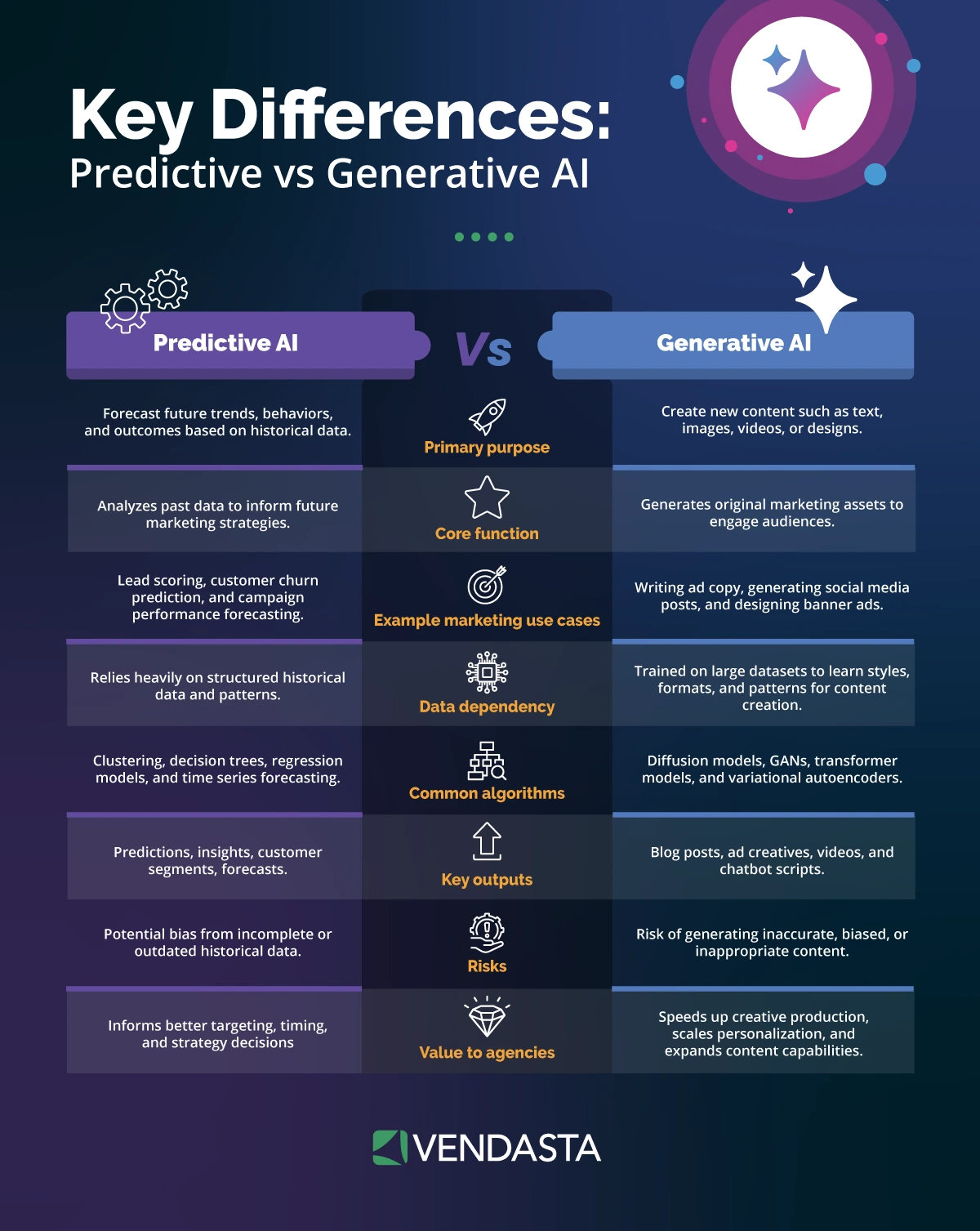
It is not about adopting more tools or experimenting with AI prompting. It is about changing how work actually gets done across marketing, sales, customer engagement, and operations.
In practical terms, AI leadership means shifting from human-led execution to AI-led execution, with humans orchestrating outcomes. Leaders define goals, guardrails, and priorities.
AI handles the repetitive, time-sensitive, and high-volume work that slows teams down and limits scale.
This shift sits at the heart of AI business transformation. Instead of layering AI on top of existing processes, effective leaders redesign those processes so AI is embedded from the start.
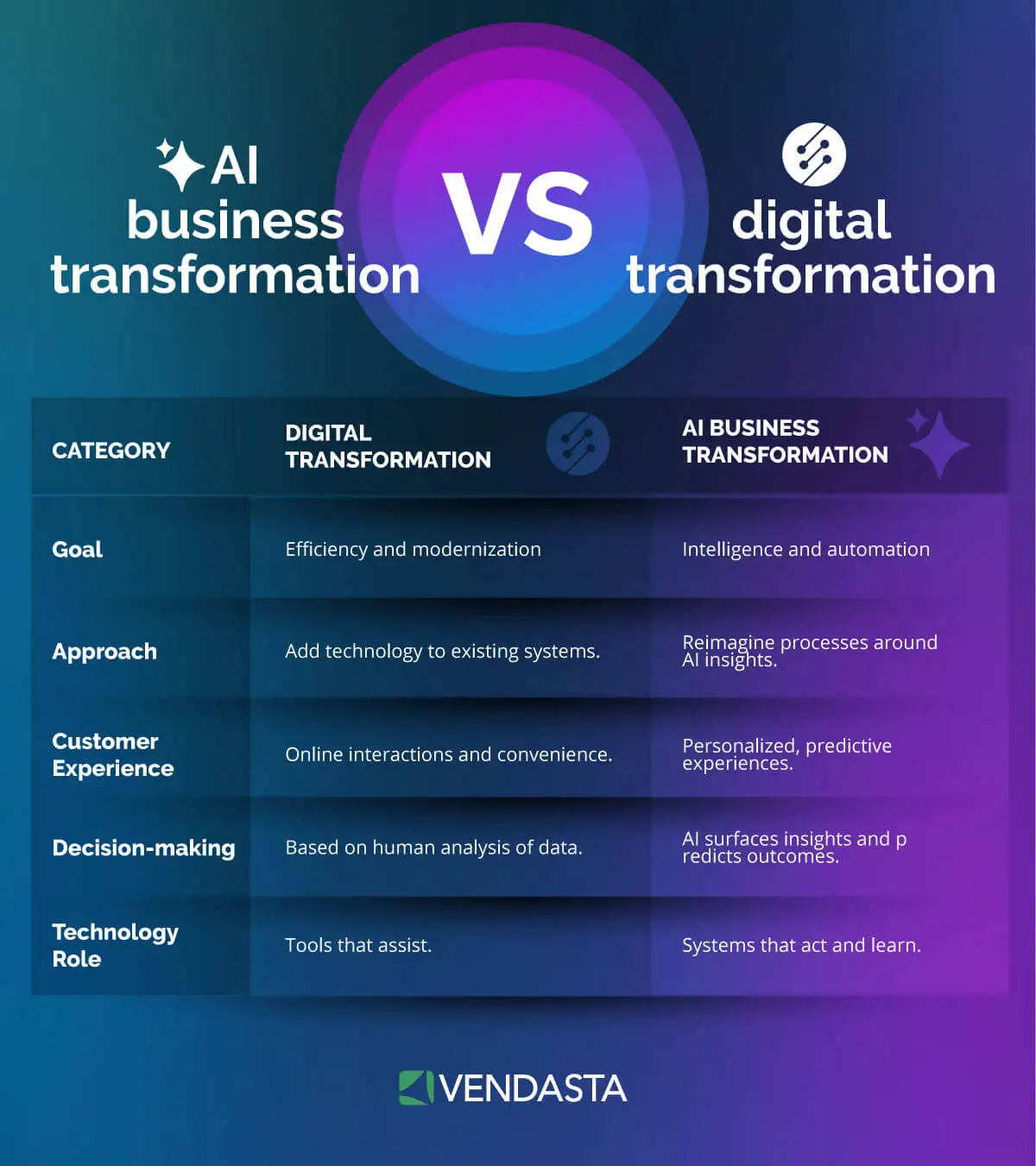
That is the difference between using AI occasionally and running an AI-powered company.
This idea is explored in depth in Leading With AI: Rewriting the Future of Work. In the webinar, Vendasta CEO Brendan King explains why AI represents a once-in-a-generation opportunity and why the most successful leaders are rethinking how work is assigned, executed, and scaled.
He introduces a simple but powerful principle: AI should do the work, and humans should orchestrate the outcomes.
If you want real-world context on how this shift is already playing out inside growing businesses, the webinar is worth watching:
Leading with AI: Rewriting the Future of Work | Vendasta Webinar with CEO Brendan King
How AI Leadership Differs from Traditional Leadership Models
Traditional leadership models assume people do most of the execution, and technology supports them. AI leadership flips that assumption.
In an AI-led organization:
- AI answers inbound calls, chats, and messages instantly.
- AI captures and qualifies leads without waiting for staff availability.
- AI schedules appointments, sends follow-ups, and updates systems automatically.
- AI surfaces insights and next-best actions based on real customer data.
Humans still play a critical role, but their role changes. Instead of chasing tasks, they focus on:
- Setting strategy and priorities
- Reviewing performance and outcomes
- Improving customer experiences
- Expanding services and revenue opportunities
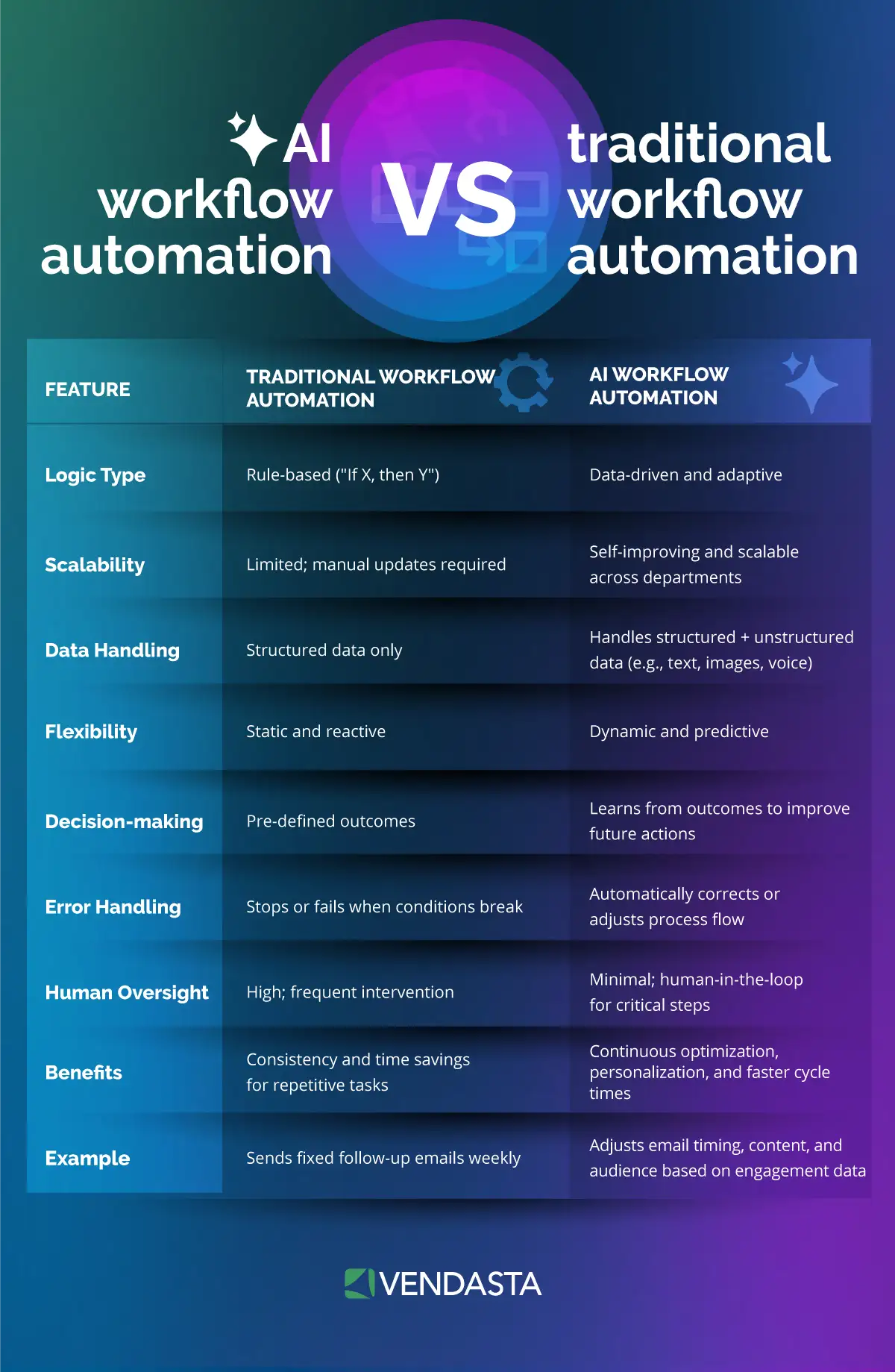
This is where AI workflow automation becomes a leadership capability, not just an operational one. Leaders who understand how to automate workflows end-to-end can scale faster without adding headcount or operational complexity.
Why AI Leadership Matters for Businesses Serving SMBs
For agencies, franchisors, technology providers, and other partners supporting SMBs, AI leadership is especially important. These businesses are expected to deliver fast, consistent results across many clients, locations, or accounts, often with lean teams.
Without AI-led execution, growth creates friction:
- More clients mean more messages to answer.
- More campaigns mean more follow-ups to manage.
- More locations mean more operational complexity.
It allows your business to deliver always-on AI customer engagement, consistent service quality, and scalable operations without stitching together disconnected tools.
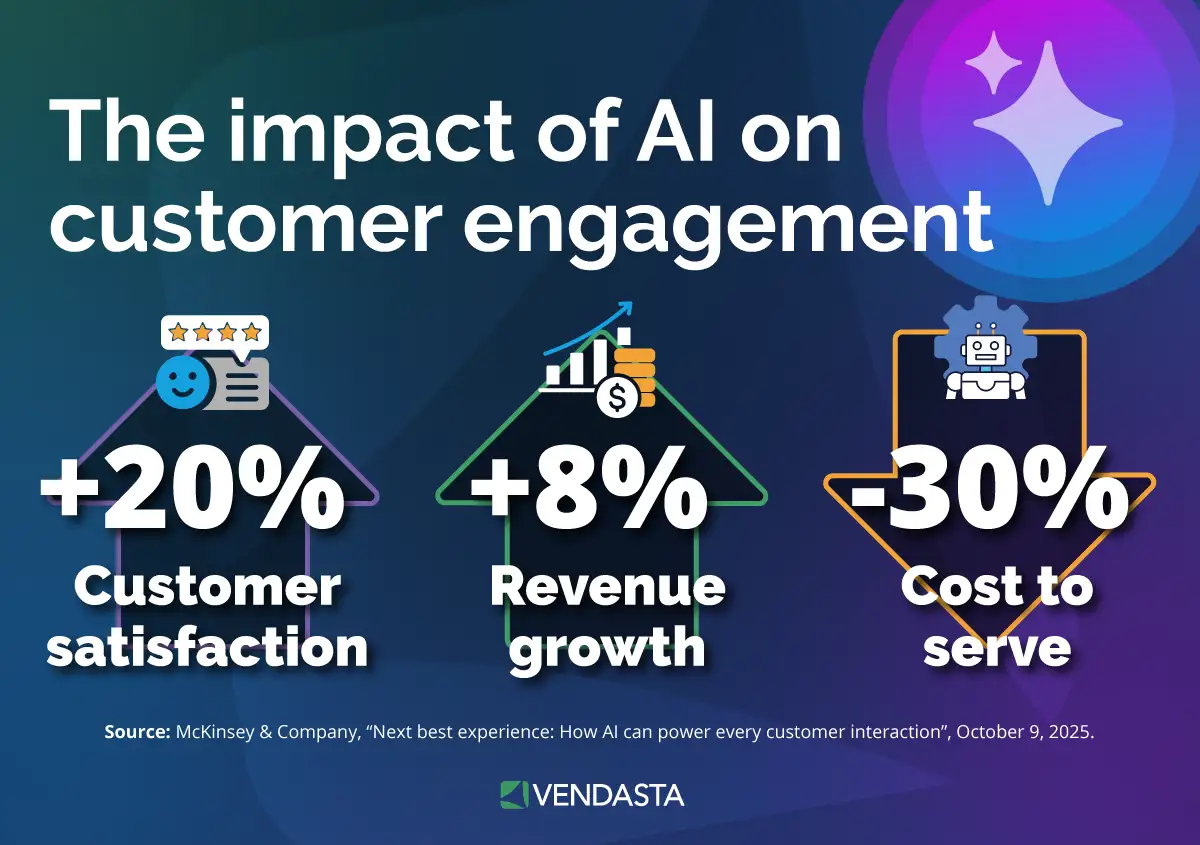
Platforms like Vendasta are built specifically for this model. By combining AI employees, automation, and unified data, Vendasta helps leaders operationalize AI across the entire customer journey, not just one task or team.
In short, AI leadership is no longer about future readiness. It is about present-day competitiveness. Businesses that adopt this operating model now are the ones setting the pace for everyone else.
Why Traditional Leadership Models Fail in an AI-Driven World
Traditional leadership models were built for a world where people did most of the work and technology played a supporting role. That structure breaks down once AI becomes capable of executing tasks independently, at scale, and around the clock.
The Single-Leader AI Strategy Problem
One of the most common mistakes businesses make is assigning AI to a single leader, team, or innovation committee. While this feels organized, it quickly becomes a bottleneck.
AI does not belong to one department. It touches:
- Marketing, by creating and optimizing campaigns.
- Sales, by capturing, qualifying, and following up with leads.
- Customer engagement, by answering calls, chats, and messages instantly.
- Operations, by scheduling, billing, and updating systems automatically.
When one person “owns” AI, progress slows. Teams wait for approvals. Use cases stack up. Experiments stall. Meanwhile, competitors embed AI directly into daily workflows and move faster with fewer handoffs.
Effective AI leadership distributes ownership by outcome, not by role. Leaders define what success looks like. AI handles execution across teams. This model removes friction and allows the business to scale without constant oversight.
Expertise Bias and the “Bike” Problem
Another reason traditional leadership models fail is expertise bias. Leaders and teams are often most resistant to AI in the areas where they believe they are already experts.
During Vendasta’s Leading With AI: Rewriting the Future of Work webinar, CEO Brendan King shared a simple analogy that captures this perfectly. He drew an analogy with someone running down the street carrying a bicycle on their shoulder. When asked why they do not just ride the bike, the answer is, “I do not have time.”
That is what happens with AI. Teams stay busy doing things the way they always have, convinced that learning a new approach will slow them down. In reality, refusing to change is what keeps them moving more slowly than they need to.
Marketers insist they write better copy. Sales teams trust their own follow-up habits. Operations teams rely on systems they built years ago. AI gets pushed to the edges of the business instead of being applied where it could create the most leverage.
Strong AI leaders recognize this pattern early. They accept a short-term slowdown to redesign workflows, knowing it leads to long-term gains. They focus on outcomes instead of habits, and they treat AI adoption as a leadership responsibility, not a technical experiment.
Why This Matters for Growth and Customer Experience
In an AI-driven world, speed and consistency are no longer nice-to-haves. Buyers expect immediate responses, accurate information, and frictionless experiences. Increasingly, they expect this even when no human is available.
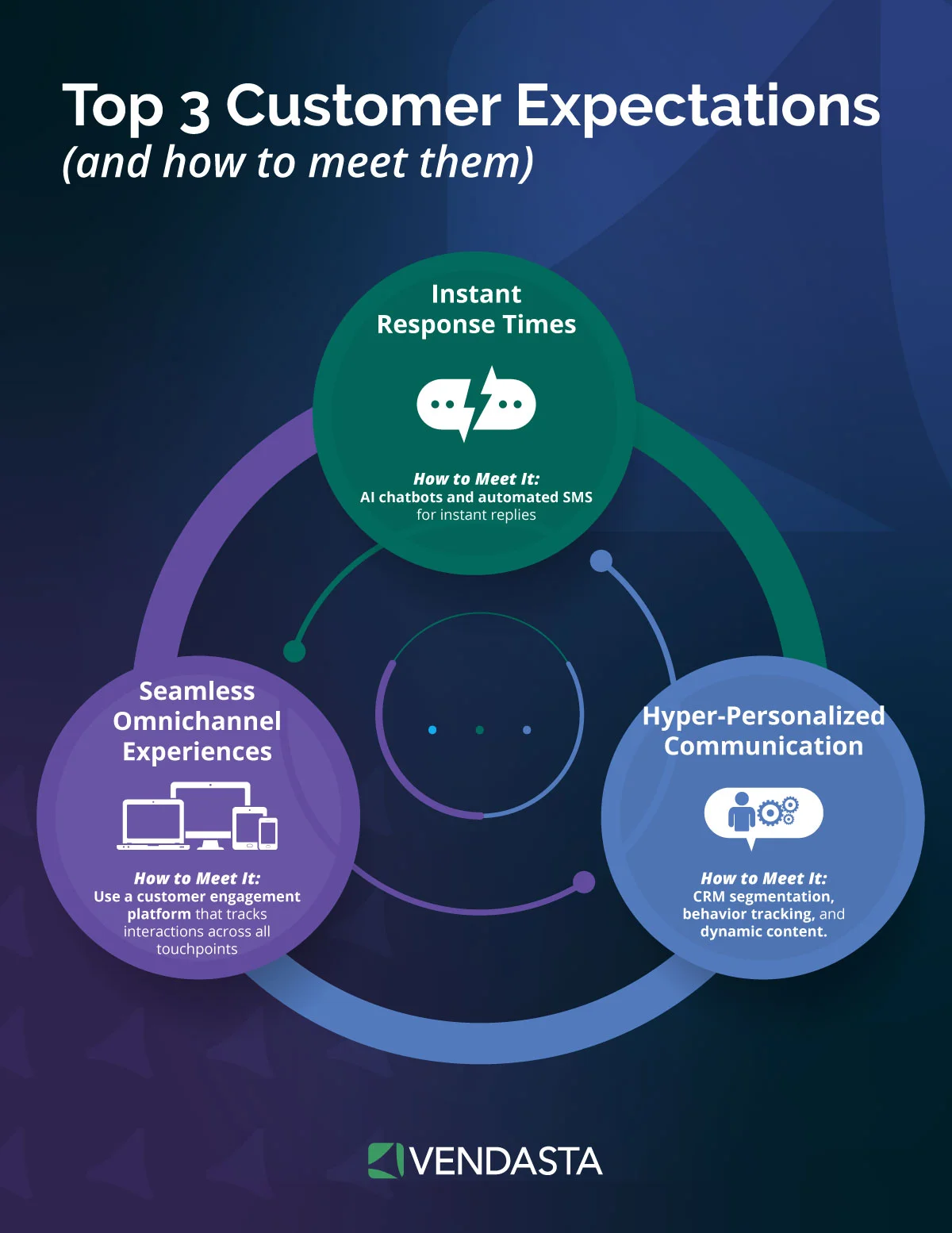
Traditional leadership models struggle to meet those expectations without adding headcount or complexity. AI-led execution makes it possible without either.
Platforms like Vendasta support this shift by embedding AI directly into the full customer journey management process.
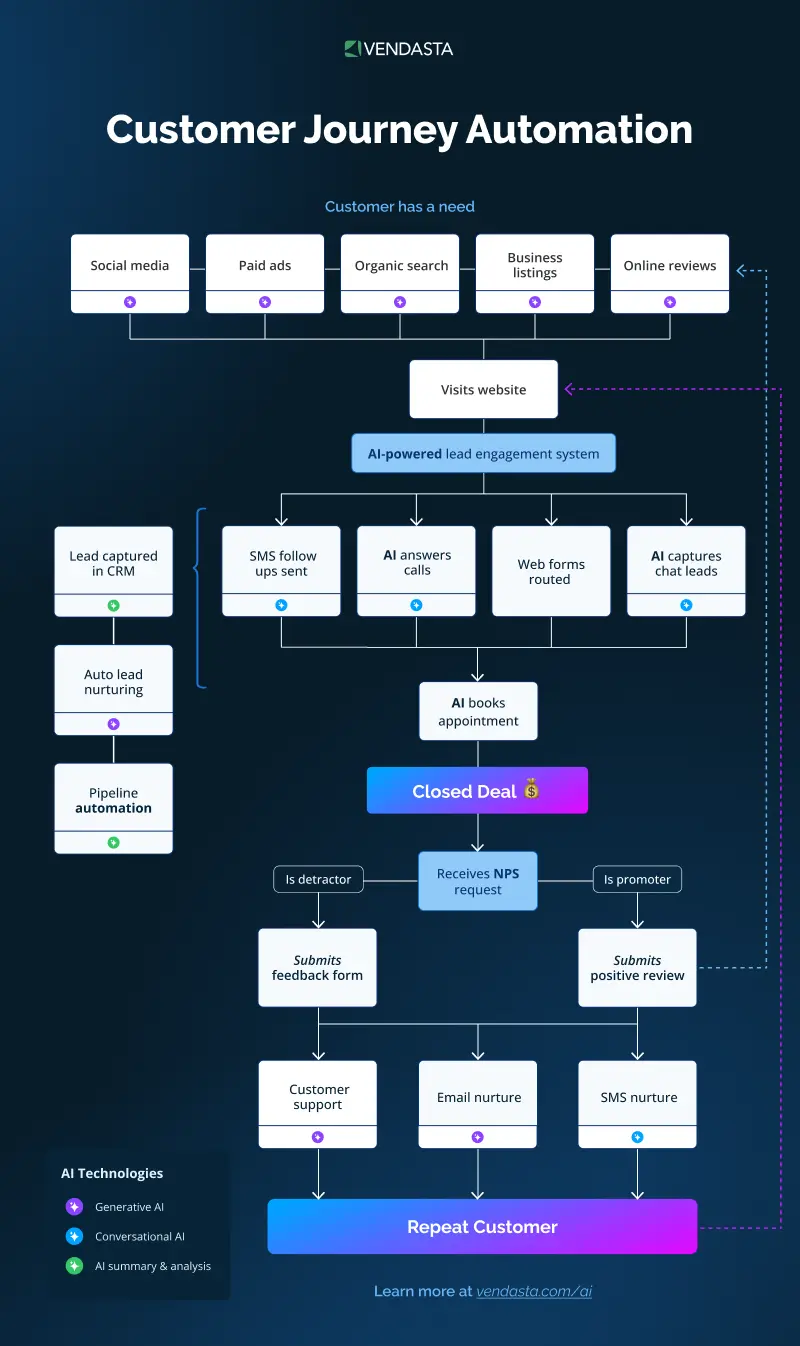
Instead of forcing teams to manage disconnected systems, Vendasta enables leaders to scale responsiveness, follow-up, and service quality through one unified customer engagement platform.
The takeaway is clear. Leadership models designed for manual execution will continue to fall behind. Leaders who rethink how work gets done and let AI take on execution are the ones building faster, more resilient businesses.
The Core Principles of Effective AI Leadership
Effective AI leadership is about setting clear principles that guide how AI is used, where it is trusted, and how it scales across the business. The leaders, seeing real results, follow the same core ideas.
AI Does the Work, Humans Orchestrate
The biggest shift in AI leadership is moving past AI as a productivity helper and into AI as an autonomous worker. Many businesses stop at using AI to draft copy, summarize notes, or assist with research. Helpful, but limiting.
Strong AI leaders let AI take ownership of execution.
That means AI handles tasks that are repetitive, time-sensitive, or high-volume, while humans focus on direction and outcomes. Instead of asking, “How can AI help my team work faster?” the better question becomes, “What work should AI own entirely?”
In practice, this shows up in very real ways:
- AI answers inbound phone calls and website chats instantly.
- AI books appointments without waiting for staff availability.
- AI responds to reviews and messages consistently.
- AI follows up with leads the moment they engage.
Humans set goals, define guardrails, review performance, and step in when judgment or nuance is required.
This model allows businesses to scale without burning out teams or adding unnecessary headcount.
Context Is Everything
AI is only as effective as the context it operates within. Without context, AI responses can feel generic, inconsistent, or disconnected from how a business actually works.
There is a critical difference between knowledge and capabilities:
- Knowledge is what AI knows, such as services offered, hours, pricing, policies, and brand voice.
- Capabilities are what AI can do, such as answering calls, booking appointments, sending follow-ups, or updating records.
For AI to act like a real employee, it needs both. Giving AI too little context limits its usefulness. Giving it too much unstructured information creates confusion. The goal is usable context, delivered at the right time.
This is a key advantage of Vendasta’s approach. Vendasta brings together business data, listings, reviews, CRM records, conversations, and workflows into a single platform. That unified view gives AI employees the context they need to act accurately and consistently across the customer journey.

This principle is explored in more depth in Vendasta’s Leading With AI: Rewriting the Future of Work webinar. Brendan King highlights the importance of it as a foundation for trust, autonomy, and scale. AI performs best when it understands not just information, but intent.
Start Small, Scale Intentionally
Effective AI leadership does not require a massive rollout on day one. In fact, trying to do too much too fast often slows adoption.
The most successful leaders start small and scale with purpose. They look for one or two high-friction areas where AI can deliver immediate value, such as missed calls, slow follow-ups, or inconsistent responses. Once those wins are visible, momentum builds naturally.
Small wins create:
- Internal confidence in AI-driven outcomes.
- Buy-in from teams who see real impact.
- Clear benchmarks for expanding AI into new areas.
Perfection is not the goal. Progress is. Leaders who treat AI as an evolving system, rather than a one-time project, move faster and adapt more easily as capabilities improve.
Taken together, these principles form a practical foundation for AI leadership. Let AI do the work. Give it the right context. Start small, then scale with intention.
Businesses that follow this approach are not just experimenting with AI. They are building operating models designed to win.
What AI Leadership Looks Like In Practice For Your Business
AI leadership becomes real when it shows up in daily operations, not strategy decks. For businesses serving SMBs, this means using AI to remove friction, increase responsiveness, and scale service quality without adding complexity.
Customer Acquisition and Engagement
Always-on AI receptionists ensure that no lead goes unanswered. Instead of sending callers to voicemail or letting website visitors bounce, AI engages them in real time, answers common questions, and captures intent.
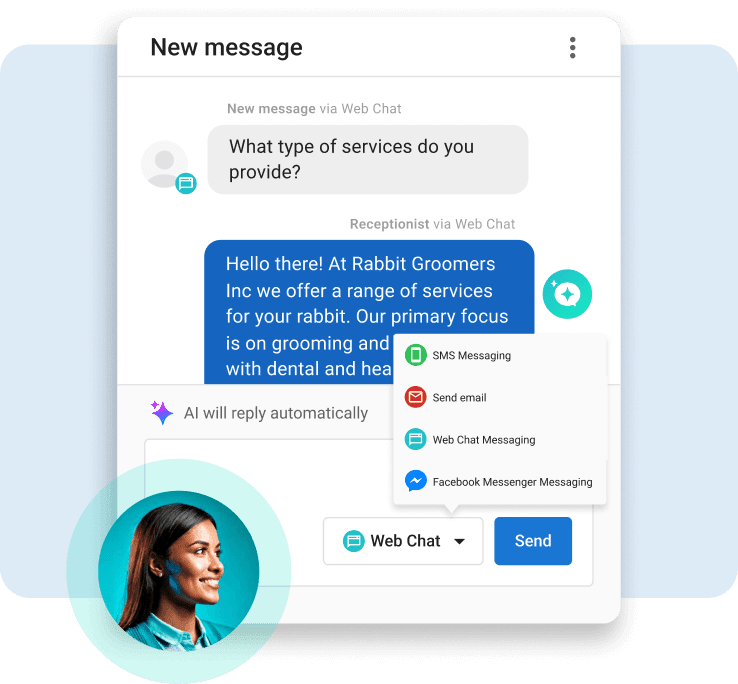
Responsiveness now plays a direct role in visibility. AI systems are now part of the buying process (ex., Google’s “Have AI Check Prices” and ChatGPT Shopping Research), calling businesses, checking availability, comparing options, and rewarding the ones that respond quickly and consistently.
Vendasta AI Employees are designed for this reality. They handle voice and chat conversations using real business data, not generic scripts. They can qualify leads, book appointments, and route conversations appropriately, ensuring your business is responsive at all times and ready when buyers act.
Internal Operations and Team Enablement
AI leadership also transforms how internal teams work. Instead of spending hours on administrative tasks, teams are supported by AI that handles execution in the background.
In practice, this includes:
- Automatically updating CRM records after calls and meetings.
- Generating meeting summaries and action items.
- Sending follow-up messages without manual input.
- Managing scheduling and reminders across teams.
These capabilities reduce administrative burden and improve the daily experience for staff. Teams spend less time entering data and more time focusing on strategy, relationships, and growth.
This approach is already in use within Vendasta’s own operations. As shared in the Leading With AI: Rewriting the Future of Work webinar, one internal team used AI to solve a very practical problem: managing daily kitchen orders for employees.
What was once a manual, paper-based process was rebuilt using AI to handle ordering, tracking, and reconciliation automatically. The result was less friction for the team running it and more time freed up for higher-value work. It is a clear example of how AI leadership shows up in everyday operations, not just strategic planning.
For businesses looking to apply this same thinking to their own workflows, Vendasta’s guide on custom AI assistants is a helpful next step. It breaks down how purpose-built AI assistants can be designed around specific jobs, teams, and processes, making AI far more useful than generic, one-size-fits-all tools.

Partner-Led Scale across Many SMBs
For agencies, franchisors, technology providers, and other partners managing large SMB portfolios, AI leadership is even more critical. Scale multiplies both opportunity and complexity.
Without AI-led execution:
- Each new client adds operational overhead.
- Each location increases inconsistency risk.
- Each service expansion strains internal teams.
AI leadership solves this by enabling configuration at scale. Partners can define brand-level guardrails, workflows, and best practices once, then deploy them consistently across hundreds or thousands of SMBs.
At the same time, local businesses retain the flexibility to customize details that matter to their market.
Vendasta’s platform is built for this model. It allows partners to deploy AI Employees, automations, and customer engagement workflows across multiple locations and verticals while maintaining centralized control and local relevance.
In practice, AI leadership is about building systems that grow with your business. When AI handles execution and partners focus on orchestration, scale becomes an advantage instead of a constraint.
AI Leadership Myths Holding Businesses Back
AI leadership often stalls not because of technology limits, but because of persistent myths. These misconceptions slow decision-making and keep AI stuck at the edges of the business, especially for teams supporting SMBs.
Below are the most common myths, and what actually holds true in practice.
Myth: AI Replaces Human Teams
Reality: AI changes how teams work, not whether they exist.
AI adoption increases productivity rather than eliminating roles. For SMB-focused businesses, AI takes on repetitive, time-sensitive work like answering calls, qualifying leads, and sending follow-ups. This frees people to focus on strategy, relationships, and growth.
In practice, AI reduces burnout and decision fatigue. Teams spend less time reacting and more time improving outcomes.
Myth: AI Only Works for Enterprise Companies
Reality: SMBs benefit more from AI than large enterprises.
Large enterprises often have layers of legacy systems and long implementation cycles. SMBs move faster and see value sooner. AI can immediately solve problems like missed calls, slow responses, and inconsistent follow-up.
This is why AI-led customer engagement has become such a strong growth lever for SMBs. Always-on responsiveness levels the playing field against much larger competitors.
Myth: AI Needs Perfect Data to Be Useful
Reality: AI improves data quality over time when deployed correctly.
Waiting for perfect data delays progress indefinitely. In reality, AI can operate effectively with partial data and help clean, enrich, and standardize it as it works.
The key is usable context, not perfection. When AI has access to core business information like listings, reviews, CRM records, and conversations, it can act reliably while continuously improving accuracy.
Businesses that start now gain better data faster than those who wait.
Myth: AI Adoption Must Be Complex
Reality: Complexity usually comes from fragmented tools, not AI itself.
Most AI frustration comes from stitching together disconnected systems. When AI is embedded into a unified platform, adoption becomes far simpler.
Out-of-the-box AI employees, prebuilt workflows, and centralized data dramatically reduce setup time. For most SMB-focused businesses, meaningful AI deployment can happen in weeks, not months.
How To Build AI Leadership Into Your Organization In 90 Days
AI leadership requires focus, intention, and a clear sequence of steps. The following 90-day framework keeps momentum high while minimizing risk.
Step 1: Identify High-Friction Work
Start with the work that creates the most friction today.
Look for areas where:
- Calls are missed or sent to voicemail
- Leads go unworked or sit too long without follow-up
- Responses are delayed across email, chat, or text
- Administrative work slows down teams
These moments are where AI delivers immediate, visible value. They also make it easier to earn internal buy-in.
Step 2: Assign AI Ownership by Outcome, not Department
AI should not live with one team or title. It should be accountable for outcomes.
Define clear goals such as:
- Faster customer response times
- Higher appointment booking rates
- Improved retention and engagement
- Fewer leads falling through the cracks
When ownership is tied to results instead of departments, AI becomes a shared advantage rather than a gated initiative.
Step 3: Give AI the Right Context
AI performs best when it understands how your business actually operates.
Focus on:
- Centralizing business data so AI has a single source of truth.
- Connecting systems of record like CRM, scheduling, billing, and communications.
- Using platforms designed for SMB realities, such as Vendasta, where data, workflows, and AI employees work together by default.
Context turns AI from a generic assistant into a reliable operator.
Step 4: Measure, Refine, and Expand
The final step is ongoing, not a one-time event.
Track impact using business metrics that matter:
- Response times
- Conversion rates
- Booked appointments
- Customer satisfaction and retention
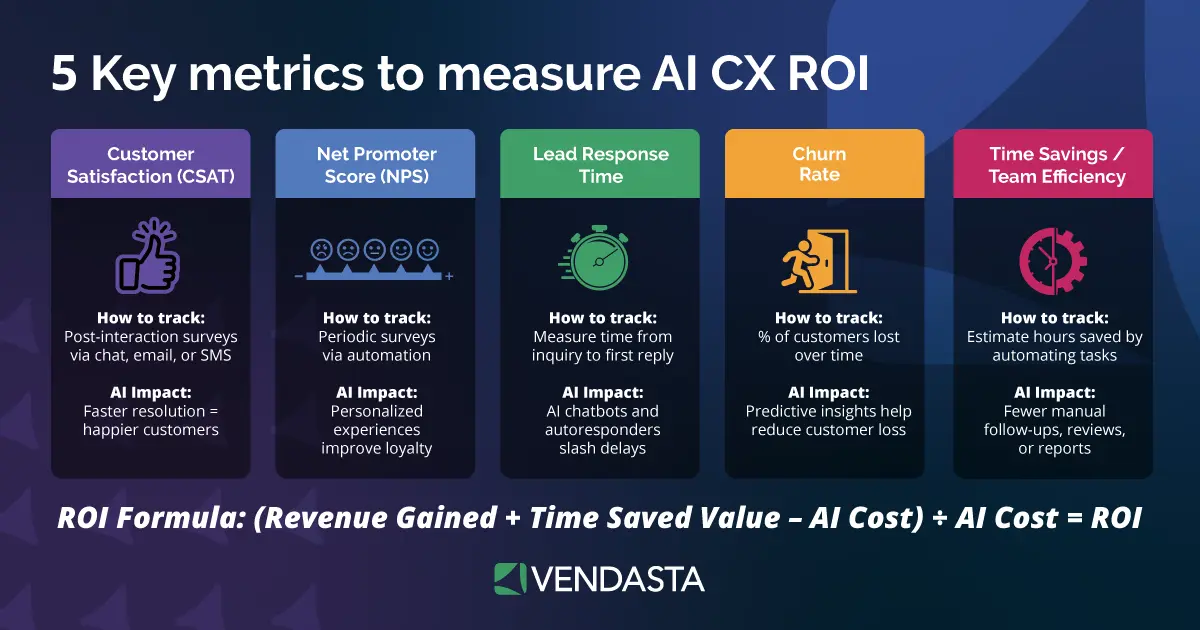
Refine workflows based on results, then expand AI into adjacent areas. Avoid chasing novelty. Focus on what moves the business forward.
AI leadership is built through consistent execution, not perfect planning. Businesses that follow this approach rarely go back, because the results speak for themselves.
Why Vendasta Is Built for AI Leadership at Scale
Vendasta builds AI directly into the workflows businesses already rely on, with scale in mind from day one.
Out-Of-The-Box AI Employees, Ready in Minutes
One of the biggest barriers to AI leadership is time to value. If AI takes weeks to configure, adoption stalls.
Vendasta’s AI Employees are designed to be ready quickly. An AI Receptionist can be deployed in minutes using existing business information like listings, services, and hours. This makes it possible to move from strategy to execution without long setup cycles or technical lift.
For partners managing multiple SMBs, this speed matters. It allows AI to be rolled out consistently across accounts without starting from scratch each time.
Model-Agnostic Infrastructure Built for Change
AI leadership is not about betting on a single model or vendor. The landscape evolves too quickly.
Vendasta’s model-agnostic infrastructure allows the platform to leverage different AI models as they improve, without forcing businesses or partners to rearchitect their workflows. This flexibility protects long-term investments and ensures AI capabilities continue to improve without disruption.
Leaders can focus on outcomes, not on keeping up with underlying technology shifts.
Designed for Partner and SMB Collaboration
AI leadership at scale requires alignment between partners and the SMBs they support. Vendasta is designed for this shared operating model.
Shared client dashboards, data visibility, and collaboration tools keep everyone aligned without duplication or confusion.
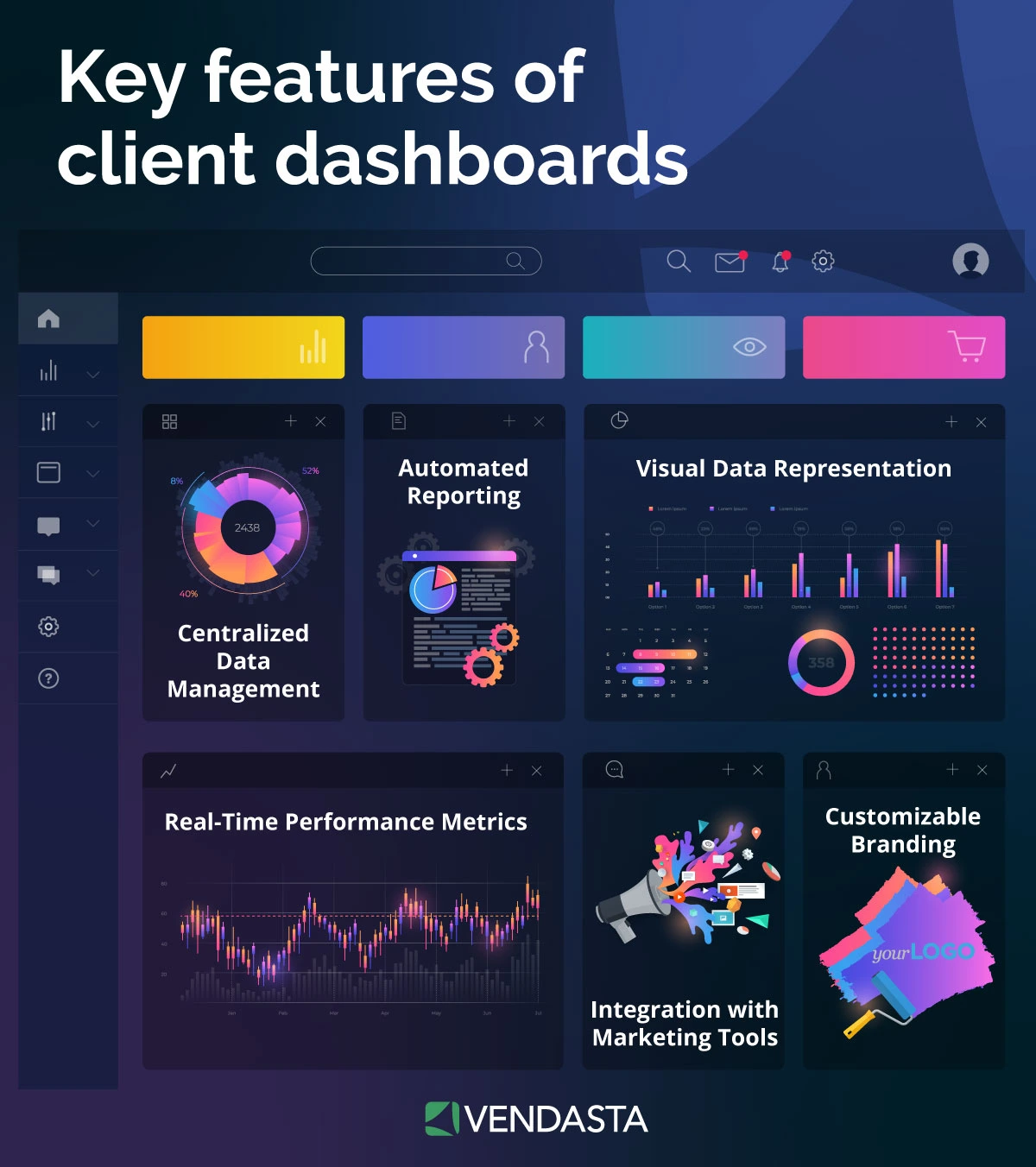
This structure makes AI deployment repeatable, governable, and profitable for partners while remaining accessible for SMBs.
AI as Empowerment, not Replacement
Vendasta’s approach to AI leadership is grounded in empowerment. AI is used to take on work that humans should not have to do, not to replace relationships, expertise, or judgment.
This philosophy is reflected in how AI Employees operate. They handle conversations, capture leads, and manage follow-ups, while people focus on strategy, creativity, and growth. The result is higher productivity without sacrificing trust or human connection.
Real-World Proof of AI Leadership in Action
This model is already delivering results. Next Level Management and Consulting, a growing agency focused on helping SMBs thrive, used Vendasta’s AI-powered platform to solve both immediate operational pain and long-term growth challenges.
By automating lead capture from business cards, triggering personalized follow-ups, and deploying AI chat and voice receptionists, the agency eliminated manual admin work and ensured every lead was captured and nurtured.
Conversations AI now engages prospects 24/7, including overnight interactions that have directly led to new customer wins.
As Mark, the agency’s founder, shared, these automations did more than fix a short-term problem. They created a scalable, AI-driven sales engine that allowed the agency to double revenue without adding overhead.
Their experience shows what AI leadership looks like when execution, context, and scale come together.
Vendasta is built for leaders who want AI to be part of how their business runs, not just something they test.
Conclusion
AI leadership is no longer about preparing for the future. It is about competing in the present.
Businesses that treat AI as an experiment or side project are already feeling the gap. Slower response times. Missed leads. Teams stretched thin by manual work. Meanwhile, businesses that let AI handle execution are moving faster, engaging customers earlier, and scaling without adding friction.
The shift is not about replacing people. It is about redesigning how work gets done so humans can focus on strategy, relationships, and growth while AI handles execution at scale.
If you want a deeper look at how this mindset works in practice, watch Vendasta’s webinar, Leading With AI: Rewriting The Future Of Work. It is a practical starting point for any business ready to act.
AI leadership is not reserved for enterprise teams with massive budgets. With the right platform and the right approach, it is accessible, scalable, and achievable today.
Ready to lead with AI? Request a demo to see how Vendasta helps businesses put AI into action across the entire customer journey.
AI Leadership FAQs
1. What is AI leadership?
AI leadership is the practice of running a business where AI handles execution and humans focus on strategy and outcomes. Instead of using AI as a helper, leaders design systems where AI manages tasks like engagement, follow-ups, and workflows at scale.
2. How is AI leadership different from traditional leadership?
Traditional leadership focuses on managing people and effort. AI leadership focuses on managing systems and results. In an AI-led model, technology executes repetitive work while leaders guide priorities, quality, and growth across marketing, sales, and customer engagement.
3. Why is AI leadership important for businesses serving SMBs?
Businesses supporting SMBs must deliver fast, consistent results with lean teams. AI leadership enables always-on responsiveness, scalable operations, and better customer experiences without adding headcount, which is critical for agencies, franchisors, and technology providers.
4. How does AI leadership improve customer acquisition?
AI leadership improves customer acquisition by ensuring every call, chat, and message is answered instantly. Faster response times lead to higher conversion rates and better visibility, especially as AI systems increasingly evaluate businesses on responsiveness.
5. Do I need a large budget to implement AI leadership?
No. AI leadership does not require enterprise-level budgets. Platforms like Vendasta provide out-of-the-box AI Employees and automations that make AI accessible and affordable for SMBs and the partners who support them.
6. How does Vendasta support AI leadership at scale?
Vendasta supports AI leadership by combining AI Employees, automation, and unified business data in one platform. This allows partners to deploy AI consistently across many SMBs while maintaining control, customization, and measurable outcomes.
7. Can AI leadership work without perfect data?
Yes. AI leadership does not require perfect data to start. AI can operate effectively with core business information and improve data quality over time. Vendasta helps centralize listings, reviews, CRM data, and workflows to provide usable context quickly.
8. How long does it take to see results from AI leadership?
Many businesses see results within weeks when AI is applied to high-friction areas like missed calls or delayed follow-ups. Early wins build confidence and momentum, making it easier to expand AI across additional workflows.
9. Does AI leadership replace human teams?
No. AI leadership changes how teams work, not whether they are needed. AI handles repetitive execution, while people focus on strategy, relationships, and growth. Vendasta positions AI as empowerment, not replacement, for both partners and SMBs.
10. How can my business start with AI leadership today?
Start by identifying high-friction work like missed leads or slow responses. Assign AI ownership by outcome, not department. Platforms like Vendasta make it easier to deploy AI quickly, measure impact, and scale intentionally across your business.