About Us
 Careers
 Leadership
 Board
Board Newsroom
Franchise SEO is the practice of optimizing search visibility across every location in a franchise network at once. It combines national brand authority with Google Business Profiles. It also coordinates local landing pages and reviews at each address, so one system supports every market you serve.
Per-location execution matters because search engines evaluate each location on its own signals, not the brand name alone. A centralized program helps corporate teams keep categories, page structure, and review cadence consistent without turning each market into a separate project.
This blog covers what franchise SEO is, why it matters, the key ranking factors, and how to scale it across locations. It also shows how centralized standards reduce inconsistency and turn network scale into a local ranking advantage.
Boost local rankings with AI-powered insights and automation
TL;DR
- Review recency is the fastest-moving franchise SEO factor: In Whitespark’s 2026 Local Search Ranking Factors survey, review recency rose from #93 to #11 among all 187 factors. Per-location review velocity now matters almost as much as total review count, because fresh reviews signal current trust at each address.
- One playbook covers AI search too: SOCi’s research found a 0.72 correlation between traditional local search performance and AI visibility. Strong profiles and third-party trust signals such as reviews and citations feed both channels.
- Centralization is the scalable model: Corporate sets categories, naming, page templates, and review cadence once, then applies those standards across profiles, listings, location pages, and review programs using tools like Vendasta’s customer acquisition and engagement platform. Centralized execution reduces location-by-location inconsistency across every market.
What Is Franchise SEO?
Franchise SEO ranks one brand in search engines across dozens or hundreds of physical markets at once. It merges national domain authority with local SEO execution at every unit: a business profile and location page, plus a review stream and citation set per address.
Corporate owns the domain and content standards; each location controls its local ranking signals, including proximity and reviews.
Key Elements
-
Google Business Profile (GBP) optimization: Correct primary category and compliant name, with accurate hours and complete services.
-
Location landing pages: One indexable page per unit.
-
Review velocity: Generate recent reviews at every location, and require the location team or AI Reputation Specialist to answer each one.
-
NAP consistency: Name and address, with the phone matching across every directory, map, and aggregator.
-
National content authority: Brand content and links passed to location pages through internal linking.
Mastering the Google Maps 3-Pack (The 2026 Ranking Pillars)
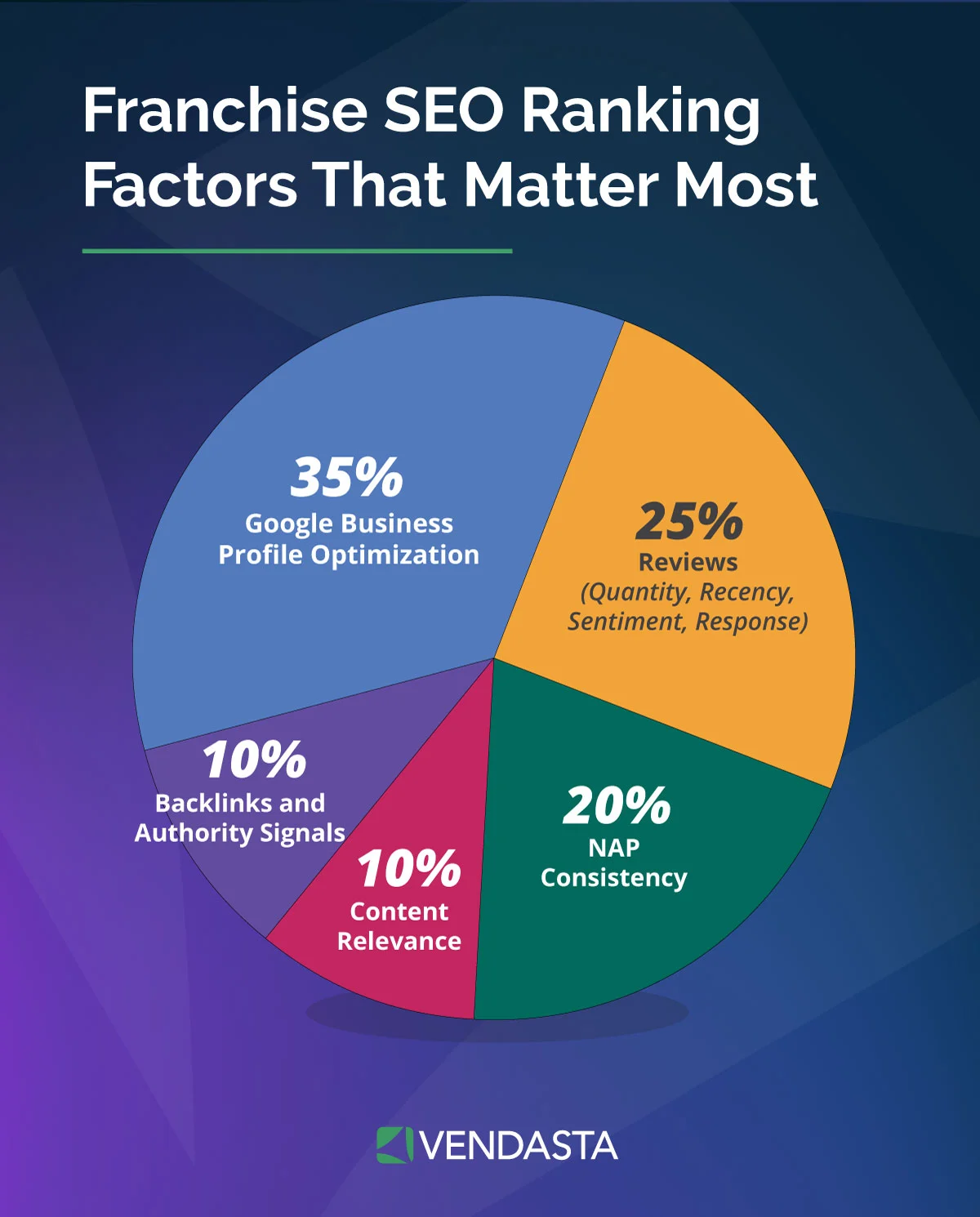
In Whitespark’s 2026 survey, 47 local search experts scored 187 factors, and the four highest-weighted signal groups for Google’s local search pack are:
|
Signal Group |
2026 Weight |
Direction |
|---|---|---|
|
Google Business Profile signals |
32% |
Highest-weighted group |
|
Review signals |
20% |
Up from 16% in 2023 |
|
On-page signals |
15% |
Down from 19% in 2023 |
|
Behavioral signals |
9% |
Increased |
Primary GBP category and proximity to the searcher are the top two individual factors. Keywords in the GBP business title rank third. Being open at the time of search and proper map pin placement are new top-10 entries. Corporate teams can manage both through centralized profile management.
How LocalBusiness Schema Supports Data Verification
Google last updated its LocalBusiness structured data documentation on December 10, 2025. It requires only name and address (street, locality, region, postal code, country).
Google’s guidance does not require structured data for generative search, and markup does not guarantee AI visibility, but consistent markup can help systems understand and verify location data.
Essential Schema Properties for 2026
-
geo: Latitude and longitude to at least five decimal places. -
openingHoursSpecification: Opens and closes, with days matching the page and GBP. -
telephone: Country and area code included. -
url: That location’s page, never the homepage. -
priceRange: Under 100 characters, or Google will not display it. -
Specific
@type: The most specific subtype, such asRestaurant, or an array like["Electrician", "Plumber"].
A schema analysis from March 2026 describes schema as a trust signal that helps Google and external AI systems verify business information. Google discounts markup that contradicts on-page content or GBP data rather than reconciling it.
Solving the Internal Competition Crisis
Franchise sites routinely rank against themselves when near-identical city pages target the same service terms. A Search Engine Land analysis from July 2026 warned that more geographic pages can produce internal competition and fragmented authority. They can also create conflicting local information.
Google’s spam policies flag city-targeted pages that funnel users to one destination as doorway abuse, and blocks of text listing cities as keyword stuffing. Duplicate service-area location pages on low-authority sites risk mass deindexing.
The Strategy to Fix It
Give every page one job and one real destination:
-
One page per real location: Publish pages only for addresses or service areas you operate, each targeting its own service-plus-city terms.
-
Material local differentiation: Add unique photos and staff details. Include location-specific reviews and directions with local landmarks.
-
Correct canonicals: Use a self-referential canonical on every location page, and never canonicalize a real location page to a parent service page; Google may drop the location URL from the index.
-
Crawlable architecture: Use hub-and-spoke internal links plus a dedicated XML sitemap, since Google cannot reach pages behind JavaScript-only store locators.
Franchise SEO vs Regular SEO
The ranking signals are the same in both; only franchise networks enforce them across every address at once.
What Is Regular SEO?
Regular SEO optimizes one website and one keyword map, usually with one Google Business Profile. Authority-building content and reporting serve a single ranking target.
What Makes Franchise SEO Unique?
Franchise SEO multiplies every asset by location count and adds policies that apply only at scale. Networks with 10 or more locations qualify for bulk verification, and Google’s naming guidelines require locations in the same country to use the same business name unless real-world representation consistently varies.
Since September 3, 2025, Google’s business links policy has required action links to point to that location’s own page.
Side-by-Side Comparison Table
These are the differences that surface once one brand covers many addresses:
|
Dimension |
Regular SEO |
Franchise SEO |
|---|---|---|
|
Scope |
One site, one market |
One brand across every operated market |
|
Google Business Profiles |
One |
One per address |
|
Naming constraint |
Free choice |
Same name across locations within a country |
|
Action links |
Any landing page |
That location’s page, since September 3, 2025 |
|
Primary risk |
Ranking loss |
Spam-policy violations and ranking loss, including suspensions and internal cannibalization |
Why Franchise SEO Matters
Franchise SEO protects brand consistency while helping each location improve visibility, attract more prospects, and get customers. At network scale, corporate teams can apply centralized standards to turn those gains into a repeatable operating model.
Here’s a breakdown of what matters most for ranking every franchise location in Google Maps and local search.
Brand Consistency Across All Locations
Google’s naming policy makes consistency a compliance requirement. Centralized local SEO for franchises enforces one name and category set. It also enforces shared page and content standards at a scale manual audits cannot match.
Increased Lead Flow for Franchise Development
The International Franchise Association forecasts 845,009 franchise establishments and $921.4 billion in output for 2026 in the IFA’s 2026 Franchising Economic Outlook. At that count, per-location visibility from franchise SEO marketing helps separate one unit from the next.
Local Visibility and Foot Traffic
A SOCi and Placer.ai analysis found a separate 0.72 correlation between year-over-year changes in local visibility scores and store visits, making visibility score a leading indicator that corporate can watch monthly. GBP action analysis shows direction requests up 21–31%. By contrast, calls and website clicks fell roughly 12–16% across Q1 and Q2 2026 year over year.
Home services networks should pair the visibility program with per-location call capture, routing each call to staff or an AI Receptionist so they can answer, qualify, and book it.
Better Online Reputation and Trust
BrightLocal’s Local Consumer Review Survey 2026 found 97% of consumers read reviews, 47% won’t use a business with fewer than 20 of them, 68% require at least four stars, and 74% only weigh reviews from the last three months. A top-ranked unit with nothing written this quarter loses the click.
Franchise SEO vs. Local vs. National: Comparison Table
The three disciplines split along four dimensions:
|
Dimension |
Local SEO |
National SEO |
Franchise SEO |
|---|---|---|---|
|
Goal |
Rank one business in one market |
Rank one site nationwide |
Rank one brand in every operated market |
|
Primary asset |
One GBP |
Domain authority |
Hundreds of GBPs plus one domain |
|
Content |
Local pages |
Topic authority content |
Templated local pages plus brand content |
|
Measurement |
One location’s calls and visits |
Traffic and conversions |
Network rollups with location drill-downs |
Key Takeaway
Corporate earns links to brand content and passes that authority to every location page through hub-and-spoke internal linking. Running the other way, accurate profiles and active review streams build the brand prominence Google weighs in every market, while consistent citations support them.
The 9-Step Franchise SEO Framework
This framework moves from diagnosis to reporting in a fixed sequence. Work it in order, or weak data will spread across every profile and page.
1. Audit Current Franchise SEO Performance
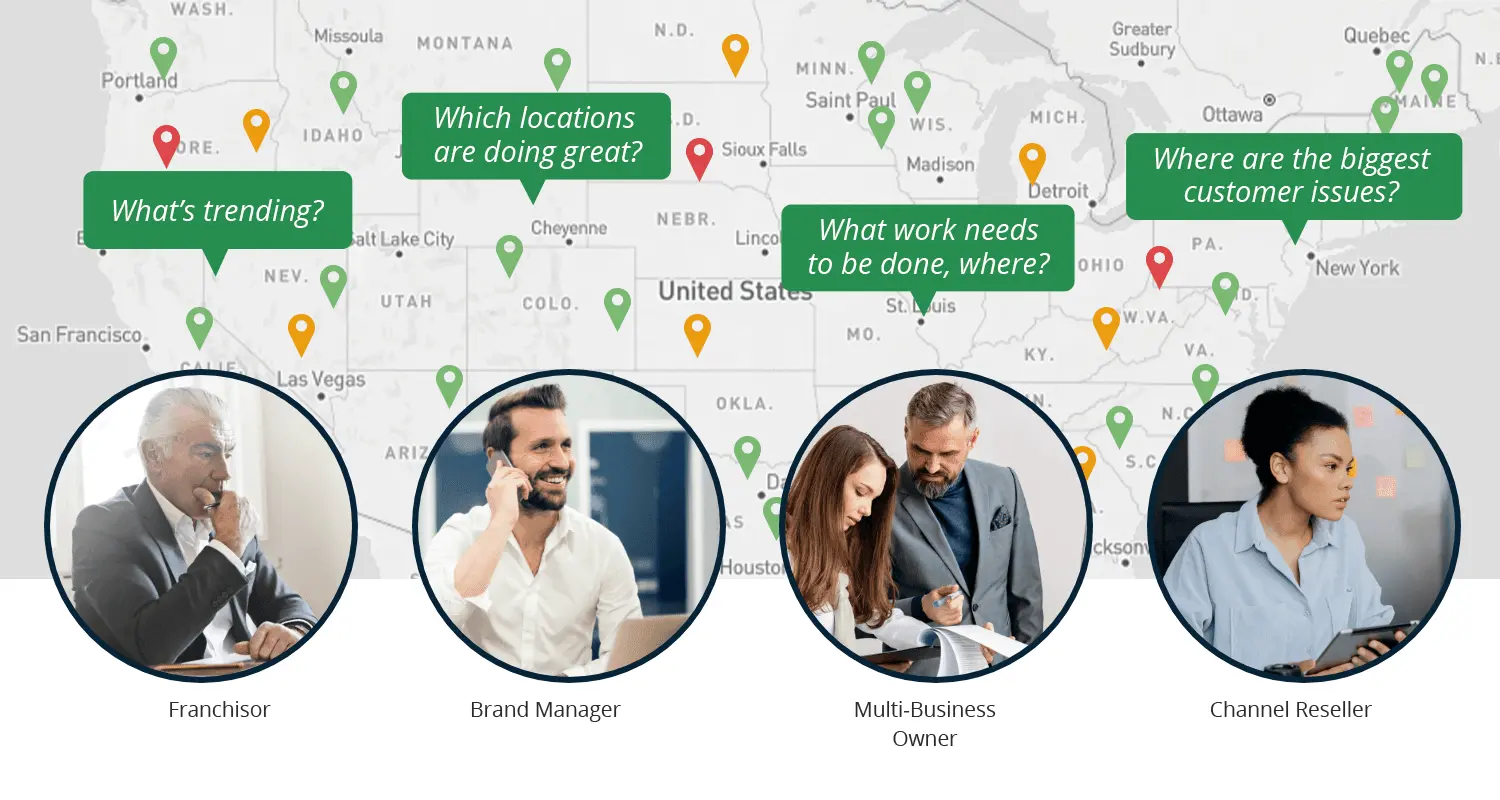
Start with a baseline for every location. Check Google Business Profile completeness, category accuracy, listing accuracy, review count, rating, recency, and rank, then score locations against each other with the Franchise SEO checklist. Fix the bottom quartile first.
2. Structure the Franchise Website on One Domain
Use subfolders on one corporate domain, such as yourbrand.com/locations/city. John Mueller’s guidance treats subdomains and subdirectories as essentially equivalent for ranking, so subfolders win on governance: one Search Console property and one content standard. For the tradeoffs, see SEO for franchise websites; white-label WordPress Hosting keeps pages centralized.
3. Optimize Google Business Profiles at Scale
Use bulk verification at 10 locations and manage profiles in business groups. Corporate should standardize categories and operating information such as hours and services. AI tooling for Google Business Profile management handles repetitive edits within Google’s cap of 10 edits per minute per profile.
4. Keep NAP Data Consistent Across the Web
Keep one verified record per location and sync it everywhere with a Listings tool that updates 50+ sites, or 70+ in the U.S. premium tier. In Whitespark’s 2026 survey, 47 local search experts ranked HTML NAP matching Google Business Profile data #15, so each location page’s NAP must match its profile exactly.
5. Assign Keywords to Each Location
Each location page should target service-plus-city combinations, while corporate targets brand and category terms. The primary Google Business Profile category remains the #1 ranking factor, and keywords in Google Business Profile services rose from rank 75, so populate services fields centrally.
6. Build Location-Level Landing Pages That Convert
Wiideman Consulting researchers measured a 107% average ranking lift from hyperlocal content and 84% from custom location images. Add click-to-call and booking. Include embedded maps and location-specific reviews, then point that location’s Google Business Profile action links there.
7. Earn Local Links and Citations
Citation signals collectively carry 6% of local pack weight in Whitespark’s 2026 survey, so treat directories as hygiene. Citation Builder distributes each location’s data to networks reaching 300+ platforms, and local press, sponsorships, industry directories, and community organizations can add unstructured mentions.
8. Run a Review and Social-Proof Program
Sterling Sky’s 2025 research found 15–45 new reviews per month maintained stable rankings, while an 18-day pause caused significant drops. Local Falcon’s analysis of 50 million search results found the 3-Pack difficult below 4.3 stars, so locations below that threshold should get the review program first.
9. Track and Report Success Across 100+ Locations
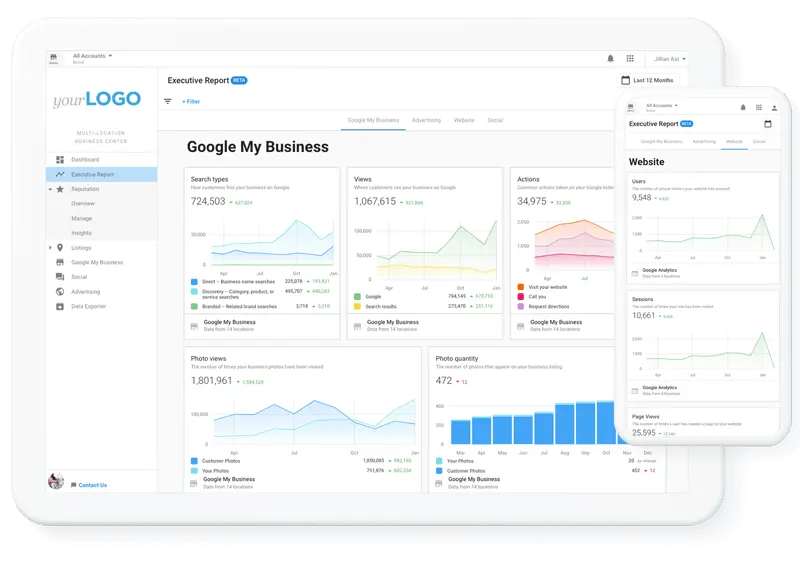
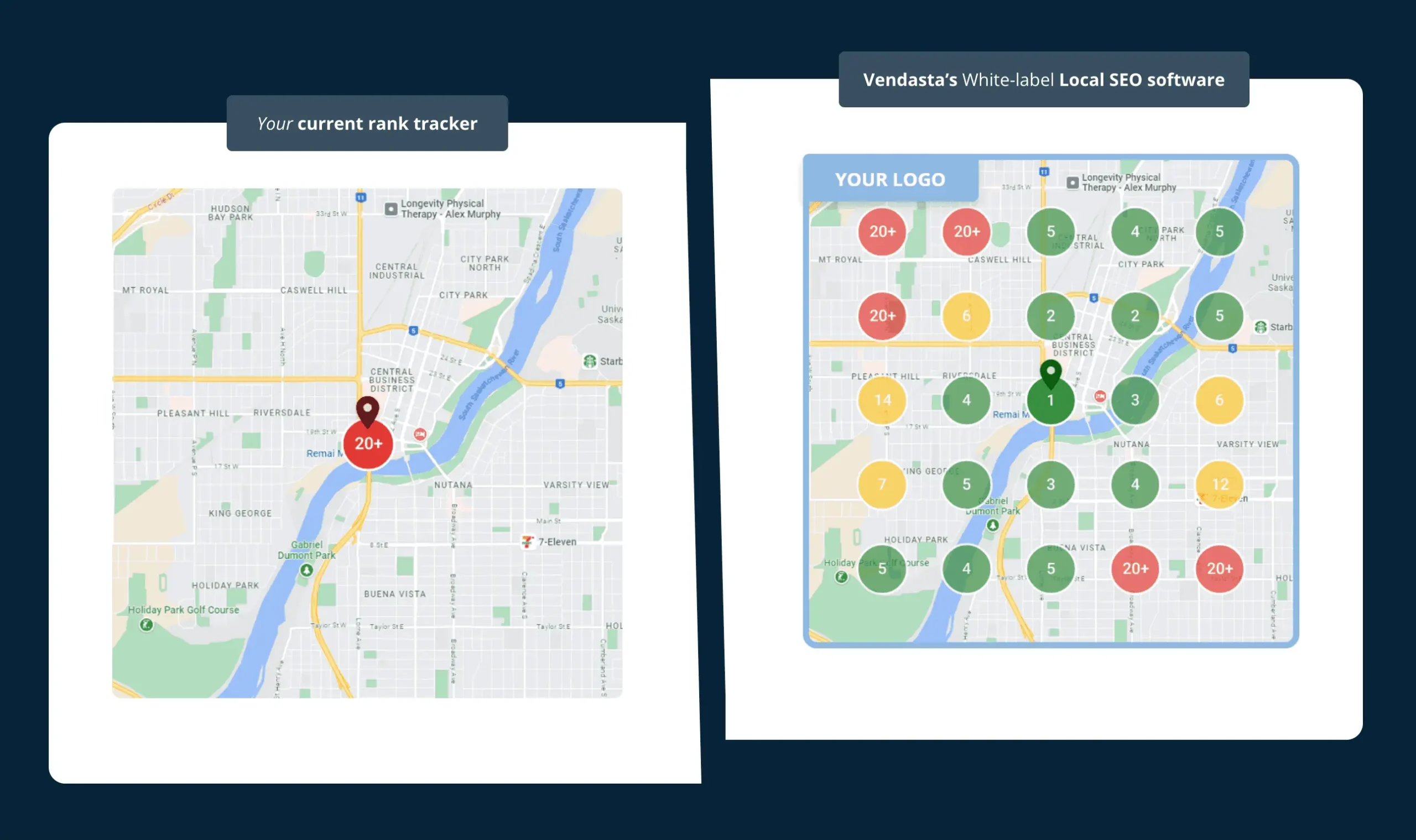
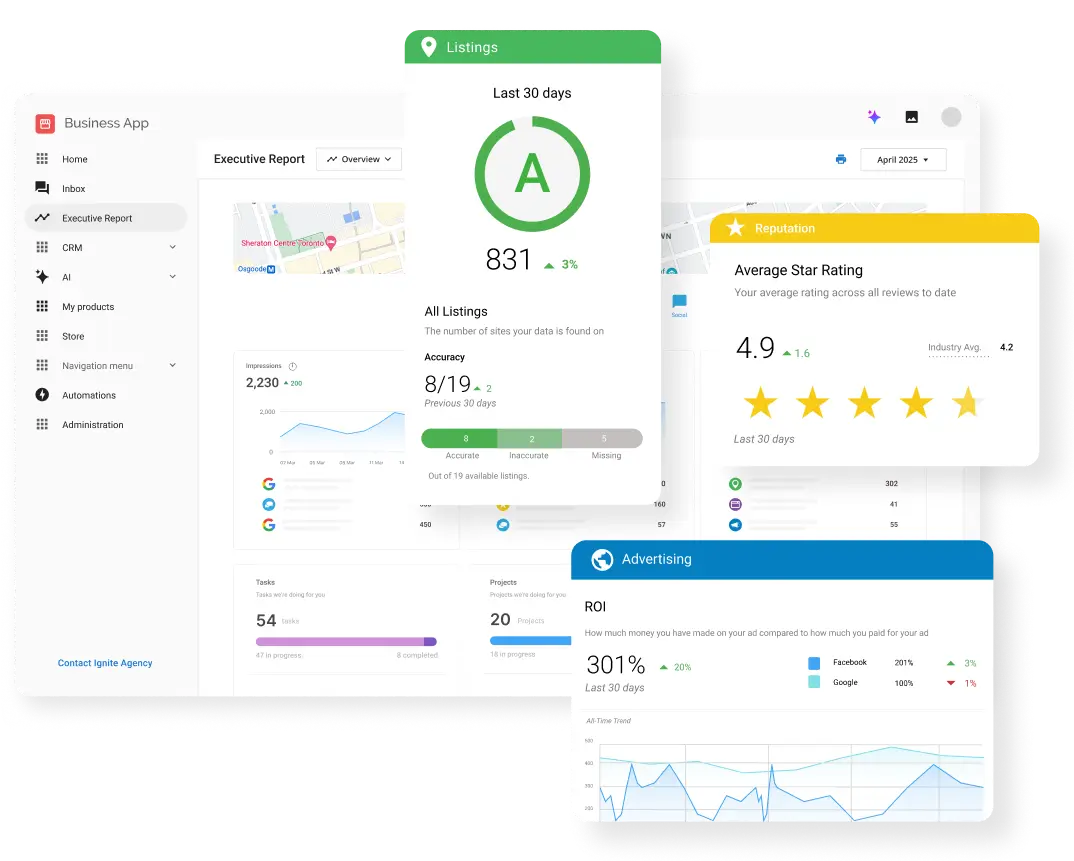
Track geo-grid rank and website conversions alongside Google Business Profile performance data. Include calls and website clicks. Add direction requests and search impressions in an Executive Report. Corporate gets the rollup, and each franchisee gets their own numbers.
Proven Franchise SEO Strategies
These strategies turn the framework into repeatable network operations. Centralize standards and automate recurring work. Keep corporate and location-level performance visible.
1. Centralize & Automate Google Business Profile Management
Franchise marketing automation queues batched profile edits within Google’s cap of 10 edits per minute per profile, so one category or hours change reaches every unit in a single run.

Centralised access concentrates risk as well as control. One corporate account holding edit rights across hundreds of profiles is a high-value target, and the NordVPN cybersecurity statistics put phishing behind roughly 38% of attacks, with credential-based methods involved in over a quarter of breaches. Tightening this is mostly operational: enforce two-factor authentication on every account with profile access, grant franchisees the narrowest role that does the job, and remove access when a location changes hands.
2. Build Conversion-Focused, Location Landing Pages
Use a location page template with click-to-call and booking. Corporate can preconfigure the embedded map and location-review components so it can publish a new unit’s page by opening day.
3. Keep NAP & Citations 100% Consistent
The synced record from step 4 feeds Vendasta’s Listings tool, which redistributes to aggregators on a recurring cadence and corrects third-party drift without a franchisee ticket. Customers who follow an incorrect suite number in a third-party listing may arrive at the wrong address.
4. Scalable Reputation & Review Management
Manual review response stops scaling as location count grows. Vendasta’s AI Reputation Specialist monitors review sources and supports multilingual responses. It also sends automated review requests.
The Automated Flywheel
Run these four steps as one system:
- A completed job triggers an automatic review request.
- Customers post new reviews, and the team or AI Reputation Specialist responds within hours as a service-level target.
- Google ranks recent reviews as the #11 factor.
- Higher visibility helps more searchers discover the location, creating more opportunities to request reviews after completed jobs.
5. Measure What Matters With Unified Dashboards
Search Engine Land’s report on 2026 zero-click data shows 68.01% of US Google searches ended without a click in early 2026, so a multi-location dashboard should combine GBP actions and rankings. It should also include reviews and leads per location.
Franchise SEO Tools & Platforms (2026)
Pick by whether the gap is execution or measurement, and by which SEO tools your franchise tech stack already includes.
1. Vendasta – All-in-One Franchise SEO & Marketing Automation Platform
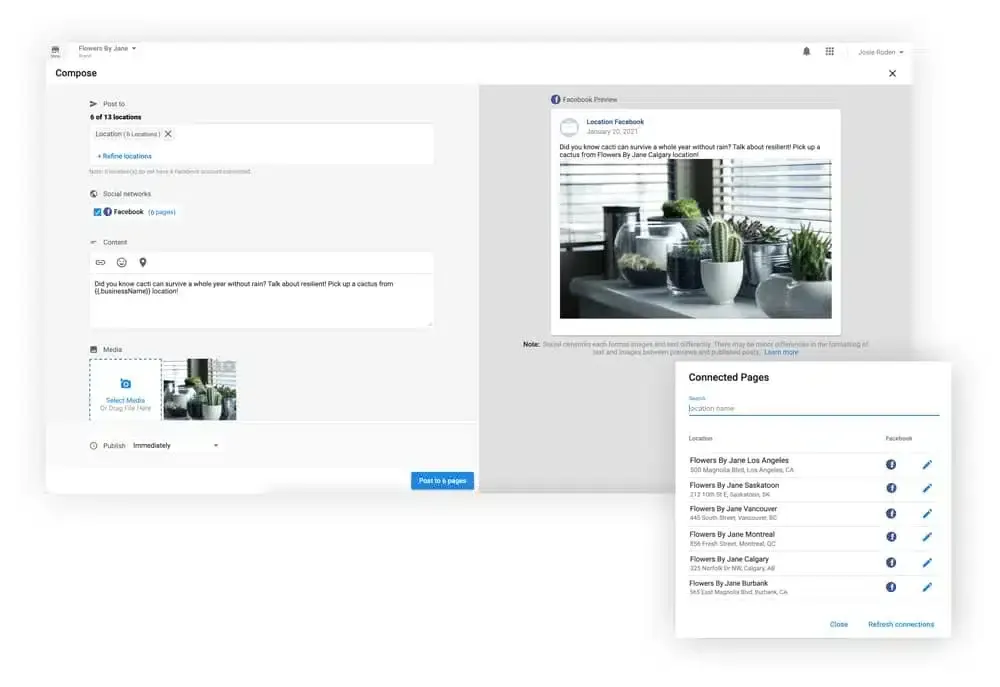
Vendasta’s all-in-one platform for franchises combines Local SEO Pro and Listing Sync Pro with Citation Builder and review management. Vendasta includes corporate rollup reporting and offers AI Search Specialist for franchise-wide visibility.
Local SEO Pro adds competitor analysis and profile insights at the location level. It also tracks keywords and geolocations. Listing Sync Pro pushes real-time updates across 50+ sites, or 70+ in the U.S. premium tier, while Citation Builder submits to networks that reach 300+ platforms.
The AI Reputation Specialist monitors reviews across 100+ sources and supports multilingual responses, and corporate rollup reporting with per-location drill-down gives the board a single view without losing granularity.
Pricing varies by tier and volume, so networks should request a quote to confirm per-location costs at scale. For franchise groups that want one vendor covering execution across every location rather than stitching together separate tools, Vendasta is the broadest single-platform option in this list.
2. BrightLocal – Local SEO Reporting & Citation Tracking
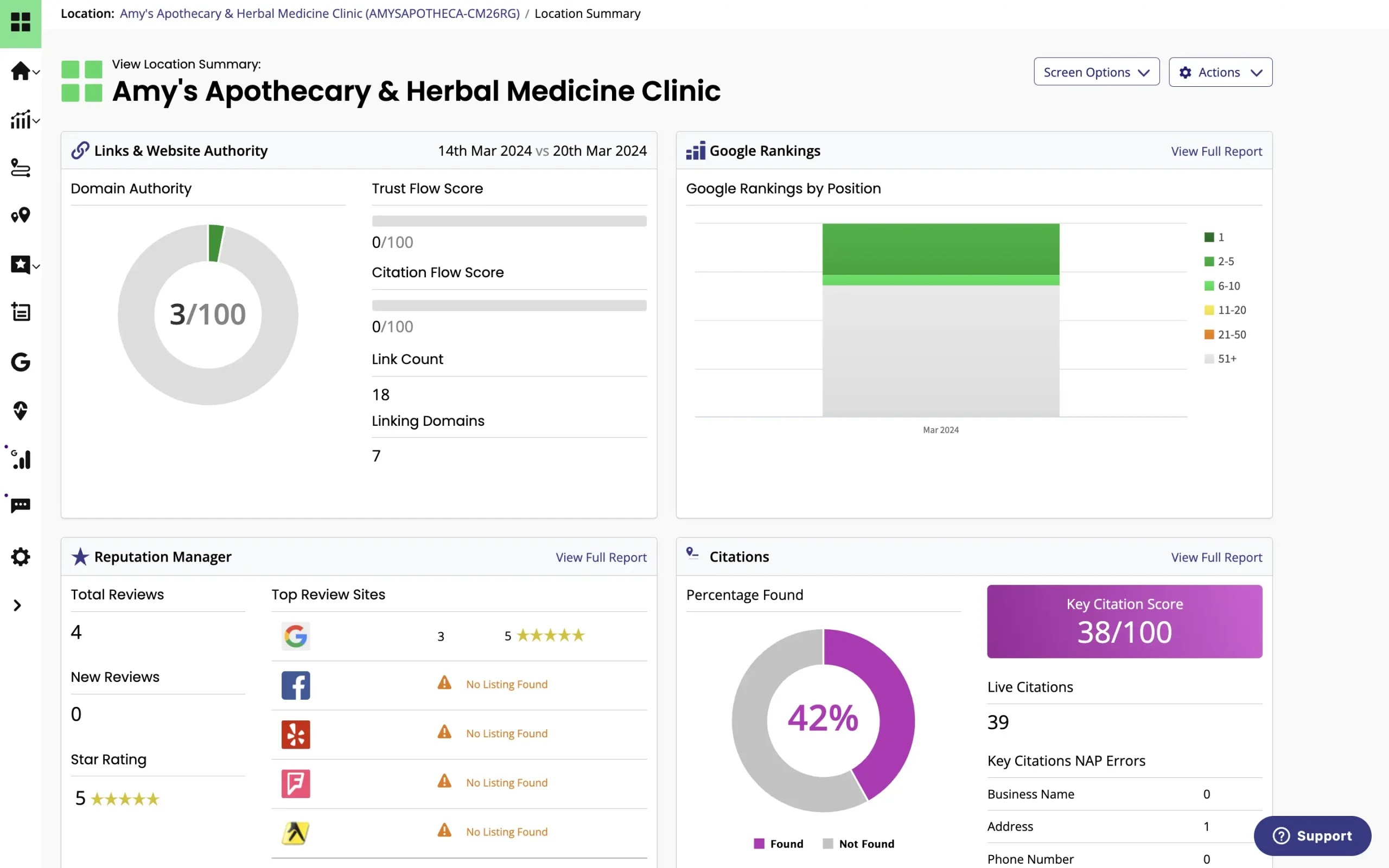
BrightLocal’s published location-band pricing starts at $41–$65 per month for one location with geo-grid rank tracking. It also includes GBP audits and citation monitoring. Its plans scale by active location count across Track and Manage, with Grow as the highest tier.
Every plan offers geo-grid rank tracking and citation accuracy checks, along with GBP audits. Review generation and response features only arrive on the Grow plan, so networks that need those capabilities should budget accordingly.
Standard published pricing tops out at 100 locations; portfolios larger than that require a custom plan. BrightLocal suits franchise groups whose primary gap is measurement and reporting rather than full execution.
3. Ahrefs – SEO Research, Keyword Tracking & Link Building
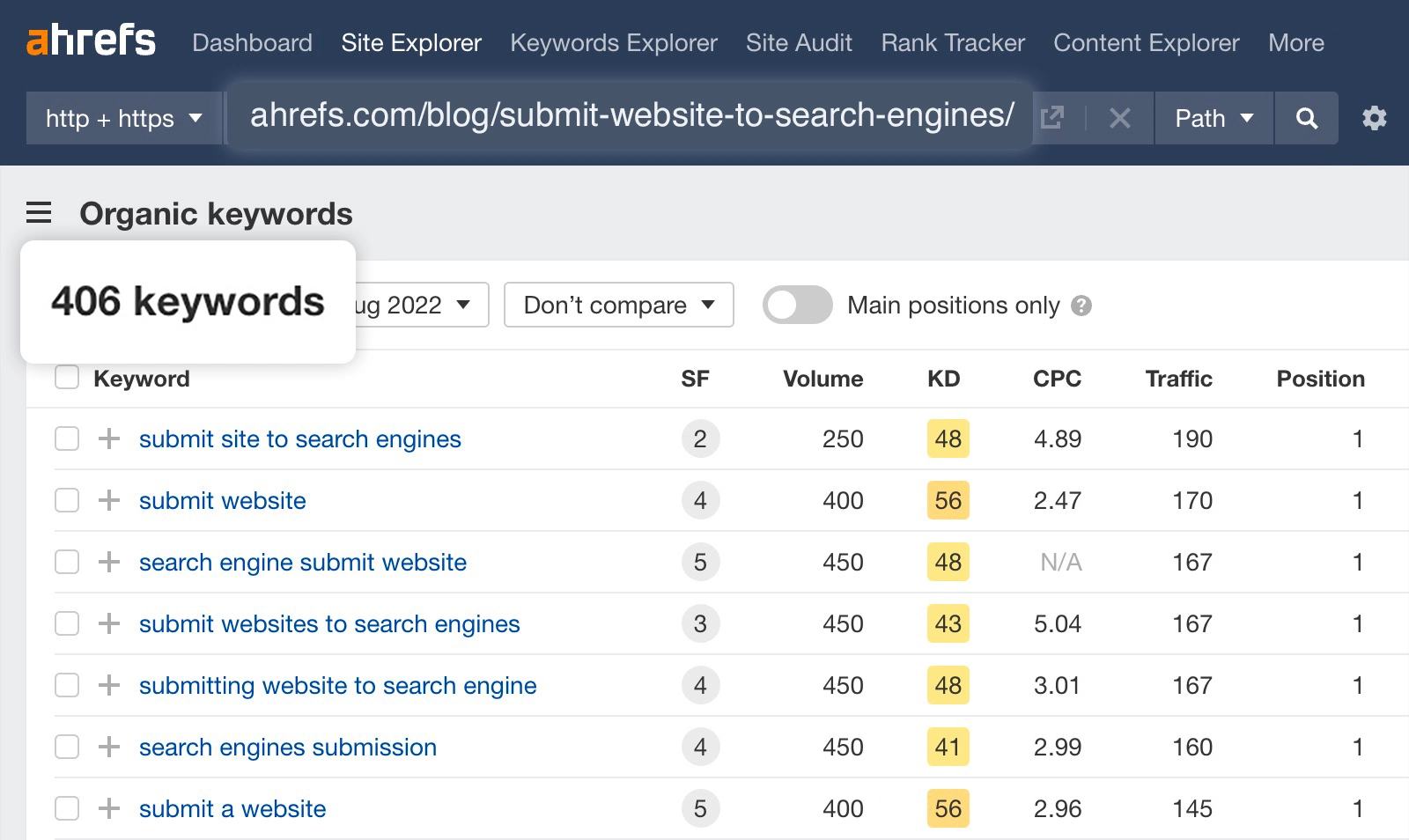
Ahrefs’ published pricing runs $29 to $1,499 per month for keyword research and competitor analysis, including link building on the corporate domain. It is a general SEO tool with strong backlink data and keyword research capabilities, but it offers no dedicated multi-location or franchise-specific features comparable to BrightLocal or Yext.
That makes Ahrefs well suited to corporate authority work, which builds the brand domain’s ranking power, rather than managing listings or reviews across individual franchise locations.
4. Yext – Listings & Data Management for Enterprise Brands
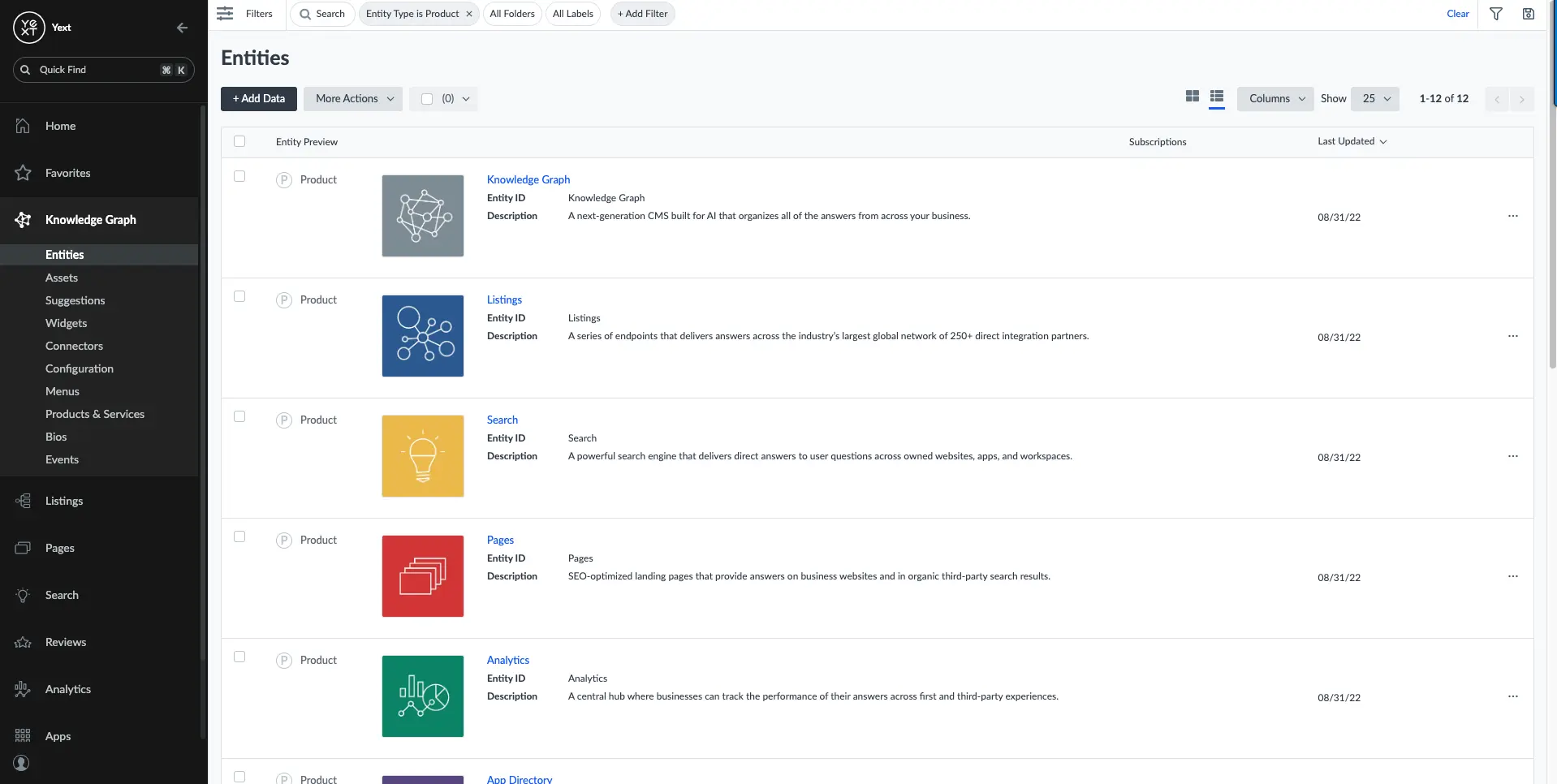
Yext lists packages but no prices. Contracts are custom and typically annual, and Scout scopes visibility to specific locations for franchises and decentralized teams. Its tiers gate features by level, starting with Base and Starter, followed by Professional and Ultimate.
Review monitoring arrives at Professional, while Ultimate adds review generation and response, plus sentiment analysis. The absence of published pricing makes budget planning difficult until Yext and the customer negotiate a contract, which is a real friction point for franchise groups comparing options.
Yext fits enterprise brands that need entity-level data governance and are prepared for a custom annual commitment.
5. Google Business Profile Manager – Direct Management of GBP Listings
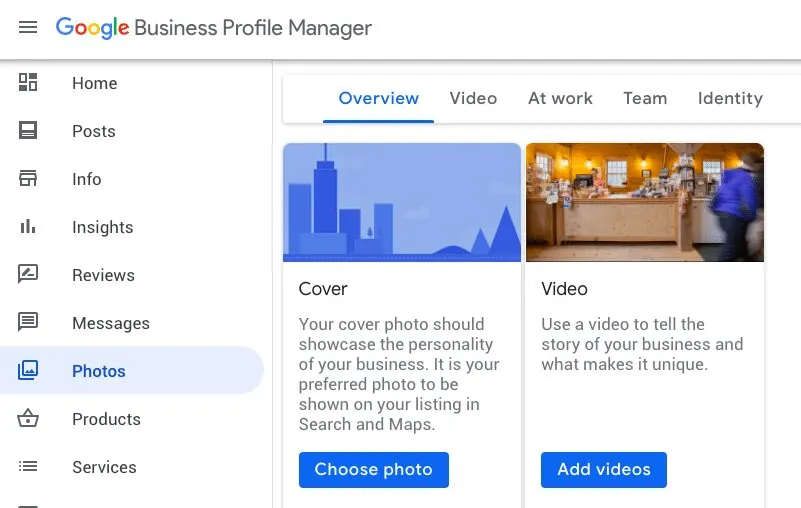
Google’s own console holds the authoritative GBP data with API access at 300 queries per minute for approved projects, and it covers only Google. It offers no review generation features, so it functions as the data foundation under any franchise SEO stack rather than a complete management tool.
Every platform in this list ultimately writes back to GBP, which makes the Manager console a necessary layer rather than a standalone choice.
The five tools compare like this at network scale:
|
Tool |
Primary strength |
Meaningful limitation |
Pricing |
Best suited to |
|---|---|---|---|---|
|
Vendasta |
Execution across all locations |
Pricing varies by tier and volume |
Wholesale partner pricing with tier and volume discounts |
Networks wanting one vendor |
|
BrightLocal |
Local reporting and audits |
Standard pricing stops at 100 locations; larger portfolios require a custom plan |
$41–$65/mo at one location |
Measurement-led teams |
|
Ahrefs |
Keyword and link research |
No multi-location features |
$29–$1,499/mo |
Corporate authority work |
|
Yext |
Listings data governance |
No published pricing |
Custom annual contracts |
Enterprise brands negotiating terms |
|
GBP Manager |
Authoritative GBP data |
Google only; no review generation |
Included with a verified Google Business Profile |
Foundation under any stack |
Case Snapshot: How Vendasta Boosted Local Visibility for a Franchise
Fred Astaire Dance Studios: 37% Search-Traffic Growth
Before-state: Fred Astaire Dance Studios ran listings and review activity studio by studio.
Intervention: The network moved listing sync and review generation onto Vendasta. It also adopted corporate rollup reporting.
Result: The Vendasta franchise performance case study reports 37% search-traffic growth and an average of 50 reviews per store. It also reports 2.5 times more net-new leads.

Neighborly: 372% Year-Over-Year Lead-to-Revenue Growth
Neighborly’s teams had previously failed to contact roughly 30% of leads. Vendasta-reported results include a 372% year-over-year lead-to-revenue increase and 3,400 conversions from 35,700 conversations.
How to Future-Proof Your Franchise SEO with GEO (Generative Engine Optimization)
Generative Engine Optimization (GEO) means earning visibility inside AI-generated answers. The founding academic paper reported gains of up to 40% from source attribution and evidence such as quotations or statistics, though a 2026 arXiv survey of GEO research ties those gains to sources already in the AI’s context.
SOCi’s 2026 Local Visibility Index found that brands appeared in Google’s 3-Pack 35.9% of the time, while ChatGPT recommended them only 1.2% of the time. SOCi ties traditional local performance to AI visibility, so strong GBP and review programs feed both channels, with citations providing additional support.
Why Structured Content Is Key to AI-Powered Visibility
According to BrightLocal’s ChatGPT local search study, Foursquare data powers up to 70% of ChatGPT’s local results in some cases, and ChatGPT used business websites as a source 58% of the time.
SOCi’s Local Visibility Index found profile accuracy at 68% on ChatGPT and Perplexity versus 100% on Gemini, which uses Google Maps data. Fix Maps data first, then the third-party listing sources ChatGPT and Perplexity read.
Proven GEO Tactics Your Franchise Should Apply
Whitespark’s 2026 survey added AI visibility as a scoring dimension:
-
Earn spots on expert-curated best-of lists: the #1 AI visibility factor, so pursue local press roundups in each market.
-
Publish a dedicated page for each service: ranked #2, and cheap to execute across a templated franchise site.
-
Stop deprioritizing Yelp: Foundation’s research counted 512,680 Yelp citations, including 72.5% of competitive-set citations on Google AI Mode.
-
Sustain review volume: Insites’ benchmark of 10,000 businesses found that businesses that both ChatGPT and Perplexity surfaced averaged 133.4 Google reviews versus 10.7 for businesses that neither platform surfaced.
Darren Shaw, in Whitespark’s 2026 survey, describes mentions as the new link: “In AI SEO, mentions (citations) are the new link.” For a network, that means budgeting for unstructured local mentions market by market, alongside directory submissions.
Take Control of Your Franchise SEO Growth
Set the standard once at corporate, deploy it to every location automatically, and measure results in one view. Vendasta gives franchise networks that model: Listing Sync Pro and Citation Builder for data consistency, Local SEO Pro for rank tracking, AI Employees that respond to reviews and capture leads in each location’s context, and executive reporting for the board.
Corporate rollups with location-level drill-downs mean you can spot an underperforming market on Monday and push a corrective campaign to every affected location by Tuesday.
Neighborly reports that coordinated execution increased its year-over-year lead-to-revenue performance by 372%, producing 3,400 conversions from 35,700 conversations across its franchise network. Book a Vendasta demo to see the multi-location deployment.
Franchise SEO FAQs
1. What’s the fastest way to improve franchise rankings on Google Maps?
Fix profile fundamentals first: correct primary category and compliant business name, with accurate hours and proper pin placement, since GBP signals carry 32% of local pack weight in Whitespark’s 2026 survey. Then launch a per-location review request program, starting with your lowest-rated and highest-volume markets.
2. How many reviews do I need per location to see a ranking lift?
There is no fixed threshold. Sterling Sky’s 2025 research ties ranking stability to a steady monthly cadence rather than a total, and short gaps in review flow cost positions. Give each unit a monthly quota and track it like any other operations number.
3. Should each franchise have its own domain or a subfolder?
Use subfolders on one corporate domain for most networks. Franchisee-owned domains sit in separate Search Console properties and separate analytics, which is why content standards are harder to enforce across them. One domain keeps governance in one place and lets location pages inherit brand links.
4. How do I avoid duplicate content penalties with multiple locations?
Google states there is no duplicate content penalty; the risks are signal dilution and doorway-page violations. Give every location page unique photos plus locally specific information about staff and reviews. Use self-referential canonicals, and never publish city pages that only funnel users to one destination.
5. Can AI manage SEO tasks for 500+ franchisees?
Yes. AI can complete defined, repeatable work such as profile updates and review responses. It can also handle listing sync and visibility reporting, while the platform logs every action. Humans still set category and naming rules. They also define the content standards the automation enforces and handle the exceptions the rules do not cover.
6. How important is NAP consistency for franchise SEO?
Critical, and more so as location count rises. A wrong address or phone number sends a customer to the wrong door, and AI assistants reading listings repeat the error everywhere. Maintain one master record per location and let the sync push corrections outward.
7. What role do reviews play in local SEO for franchises?
Consumers screen on review count and star rating, with recency also shaping the decision, per BrightLocal’s 2026 survey. Rankings put a location in front of the shopper; the shopper uses its review profile to decide whether to choose it. Set a monthly review target per unit.
8. Is content marketing necessary for franchise SEO?
Yes, and its value is growing in AI search. A dedicated page for each service scored second among Whitespark’s 2026 AI visibility factors, and Wiideman Consulting’s research ties hyperlocal page content to higher local rankings. Brand content also passes authority to location pages.
9. How do I track SEO performance across all franchise locations?
Track GBP performance and geo-grid rankings in a dashboard with per-location drill-down. Add website conversions to connect visibility with lead outcomes. Report profile actions alongside sessions and form fills, because analytics alone miss searches that never produce a click.
10. What’s the best way to handle SEO for new franchise locations?
Build the location’s landing page and Google Business Profile before opening day. Establish its citations as well, then add the profile to your existing bulk-verified account. Start review requests with the first customers so recency is in place at launch, not six months later.
This article was originally published in May 2026 and was updated in September 2026 to include the latest information and insights.