About Us
 Careers
 Leadership
 Board
Board Newsroom
Buyer intent signals for marketing agencies are the fastest way to identify which local businesses are ready to buy right now instead of wasting time on cold leads.
In 2026, traditional prospecting is becoming less effective. Agencies relying on cold outreach without intent data are seeing lower reply rates, longer sales cycles, and higher acquisition costs. The shift is clear.
Agencies that win are the ones using intent-based outreach and focusing on businesses already in their buying window. This blog covers everything you need to know about buyer intent signals for marketing agencies, including how to identify high-converting signals, how to use warm outbound for agencies, and how to build a scalable system using automated prospecting AI agency workflows.
You will also learn how to define your operational ICP agency model, improve AI agency lead generation 2026 strategies, and close deals faster using real-time data.
Replace busy work with AI employees that take action
TL;DR
- Buyer intent signals for marketing agencies drive higher conversions because timing determines whether a prospect responds or ignores you
- Intent-based outreach outperforms cold and warm outbound for agencies by focusing on active demand
- Vendasta helps agencies scale buyer intent signals for marketing agencies through automation and smarter prospecting
Why Buyer Intent Signals for Marketing Agencies Matter More Than Ever
The biggest challenge agencies face today is not generating leads. It is generating the right leads.
Most agencies still rely on outdated methods to find local business prospects, such as generic cold emails, scraped lists, or paid ads without qualification. The result is predictable. Low engagement, slow pipelines, and inconsistent revenue.
This is where buyer intent signals for marketing agencies change everything.
Instead of guessing who might be interested, you focus only on businesses that are already showing clear signs of need. These signals act as real-time indicators that a company is entering its buying window.
What Makes Buyer Intent Signals Powerful
- They indicate urgency, not just interest
- They allow precise targeting within your operational ICP agency framework
- They enable warm outbound for agencies, which performs significantly better than cold outreach
When you combine buyer intent signals for marketing agencies with AI agency lead generation 2026 tools, you shift from reactive selling to proactive opportunity capture.
Cold Outreach vs Intent-Based Outreach
Cold outreach assumes interest
Intent-based outreach confirms it
That difference is what separates agencies struggling to book meetings from those consistently closing deals.
By leveraging buying window signals local business data, you can:
- Reach prospects at the exact moment they are evaluating solutions
- Personalize messaging based on real actions
- Shorten the sales cycle dramatically
This is why buyer intent signals for marketing agencies are no longer optional. They are a competitive advantage.
The 7 Most Powerful Buyer Intent Signals for Marketing Agencies
Not all signals are equal. The key to success is identifying high-intent actions that indicate a local business is actively searching for a solution—not just browsing.
Here are the most effective buyer intent signals for marketing agencies:
1. Website Changes or Redesign Activity
When a business updates its website, it often signals dissatisfaction with current performance.
Why it matters:
- Indicates openness to marketing improvements
- Often tied to rebranding or growth initiatives
2. Increased Ad Spend or New Campaign Launches
Businesses scaling ads are already investing—they just need better ROI.
Why it matters:
- Budget is already approved
- Easier to position optimization services
3. New Location or Expansion Announcements
Expansion creates immediate demand for visibility and lead generation.
Why it matters:
- Urgent need for local SEO, ads, and reputation management
- Strong alignment with buying window signals local business data
4. Hiring for Marketing Roles
If a company is hiring marketers, they already recognize a gap.
Why it matters:
- Opportunity to position your agency as a faster, scalable alternative
- Strong entry point for warm outbound for agencies
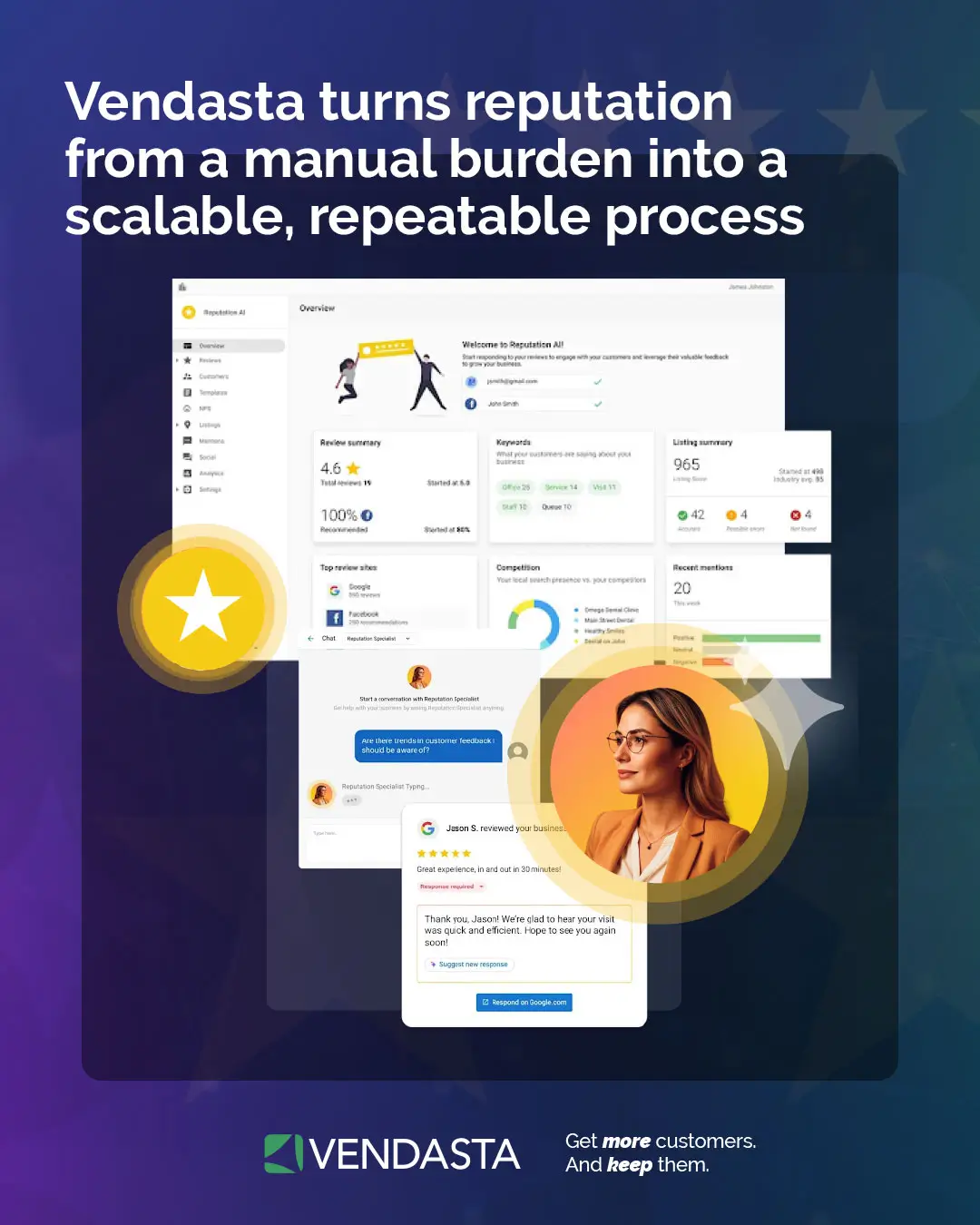
5. Negative Reviews or Reputation Issues
A spike in poor reviews signals pain—and urgency.
Why it matters:
- Emotional trigger for decision-making
- Immediate need for reputation management services
A strong reputation management approach turns this vulnerability into an opening for a relevant, timely conversation.
6. Technology Stack Changes
Switching CRMs, analytics tools, or ad platforms often means transition.
Why it matters:
- Businesses are already in “change mode”
- Easier to introduce new solutions
7. Content or SEO Activity Spikes
Publishing new blogs, landing pages, or SEO updates shows active growth efforts.
Why it matters:
- Indicates long-term marketing commitment
- Ideal for pitching performance improvement
By tracking these buyer intent signals for marketing agencies, you can prioritize outreach and focus only on businesses most likely to convert. This is the same principle behind effective lead generation for marketing agencies: prioritizing quality and timing over sheer volume.
How Buyer Intent Signals for Marketing Agencies Work in Practice
Before jumping into strategy, it helps to see how this works in a real-world scenario.
This short video breaks down how agencies identify signals, personalize outreach, and accelerate deal flow using intent data.
Watch the video below to see the full workflow in action
What You’ll Learn in This Video
- How buyer intent signals for marketing agencies are identified in real time
- How agencies use those signals to craft intent-based outreach
- How personalized messaging leads to faster replies and shorter sales cycles
- How deals move from first touch to close using automated prospecting AI agency systems
Why This Matters
Seeing the process in action reinforces why buyer intent signals for marketing agencies create a measurable advantage.
Instead of guessing who to contact, you:
- Target businesses already in their buying window
- Deliver highly relevant outreach
- Increase conversion rates while reducing effort
How to Use Buyer Intent Signals for Marketing Agencies in Your Outreach
Once you start identifying buyer intent signals for marketing agencies, the next step is turning those signals into meaningful conversations. This is where most agencies fall short. They collect data but continue using generic outreach, which removes the advantage entirely.
To get results, your outreach needs to directly reflect the signal and the context behind it.
Mapping Buyer Intent Signals to Real Business Problems
Every signal represents a specific challenge or opportunity within the business. The goal is to interpret that signal correctly before reaching out.
Examples of signal-to-problem mapping
- A recent website redesign often indicates low conversion rates or dissatisfaction with current performance
- A spike in negative reviews usually points to reputation issues that are already impacting revenue
- Hiring for marketing roles suggests internal gaps in execution or strategy
Understanding this connection is what makes intent-based outreach effective. You are not interrupting the prospect. You are responding to something they are already dealing with.
Writing Outreach That Feels Relevant Instead of Cold
The first message determines whether the conversation starts or ends. With buyer intent signals for marketing agencies, your goal is to make relevance obvious within the first sentence.
What effective personalization looks like
Instead of writing broad introductions, reference the signal directly:
- “I noticed you recently launched a new website. Are you seeing the conversion improvements you expected?”
- “I came across a few recent customer reviews mentioning delays. Are you currently working on improving response times?”
This approach transforms traditional cold emails into warm outbound for agencies, where the message aligns with the prospect’s current situation.
Positioning Your Offer Around Outcomes
A common mistake agencies make is focusing on services instead of results. When a business is in its buying window, they are not looking for features. They are looking for outcomes.
Shifting from services to results
Instead of listing what you do, connect your offer to a measurable benefit:
- Improving lead conversion rates
- Increasing booked appointments
- Reducing customer churn from negative experiences
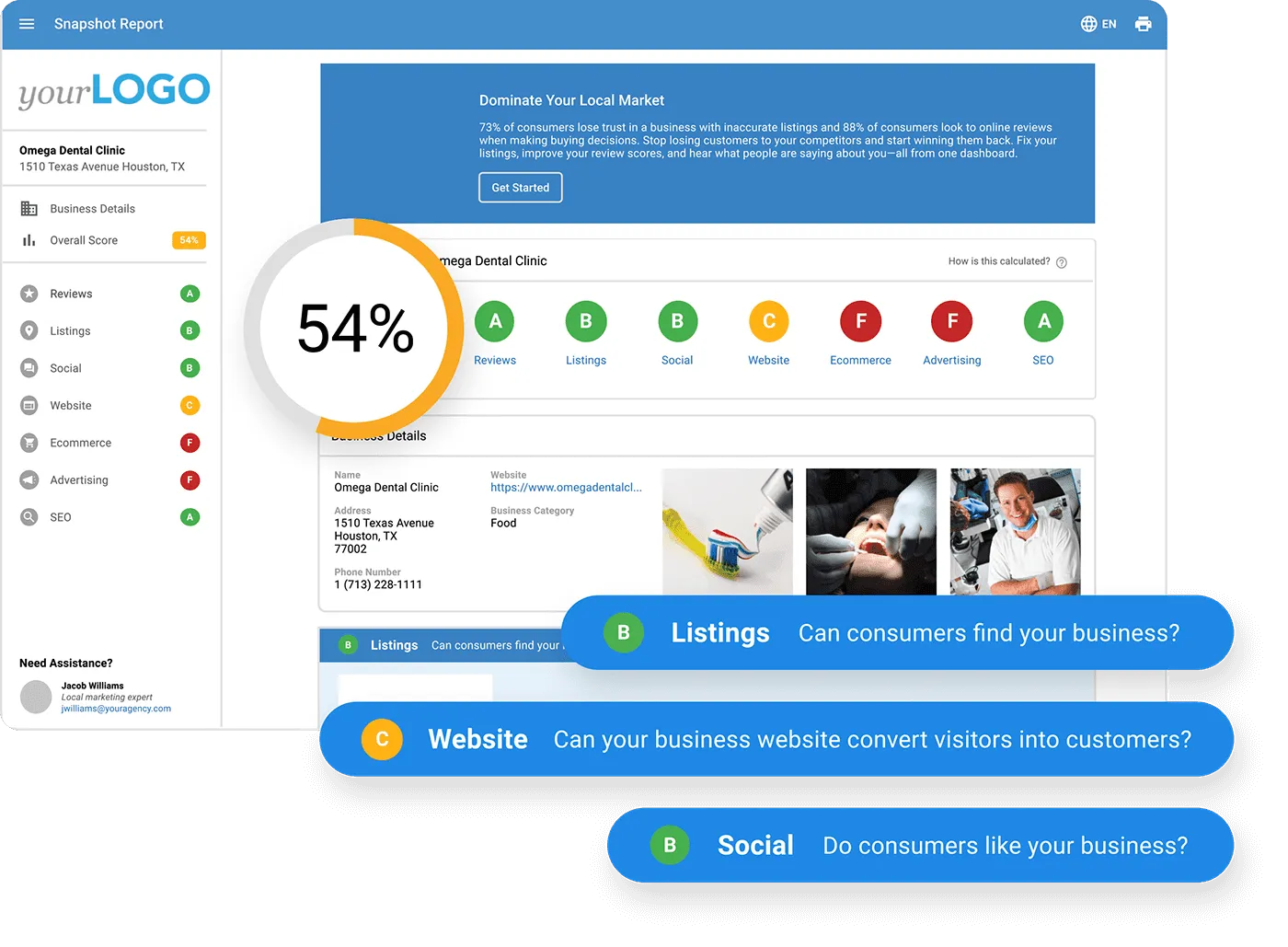
This positioning works especially well when combined with buying window signals local business data, since the need is already present. A tool like Snapshot Report can surface this local business data automatically, giving you the exact talking points to open the conversation.
Using Timing to Increase Response Rates
Timing plays a critical role in the success of buyer intent signals for marketing agencies. A signal loses value as time passes, which means outreach should happen as close to real-time as possible.
Agencies that rely on manual processes often miss this window. By the time they reach out, the prospect has either solved the problem or engaged with a competitor.
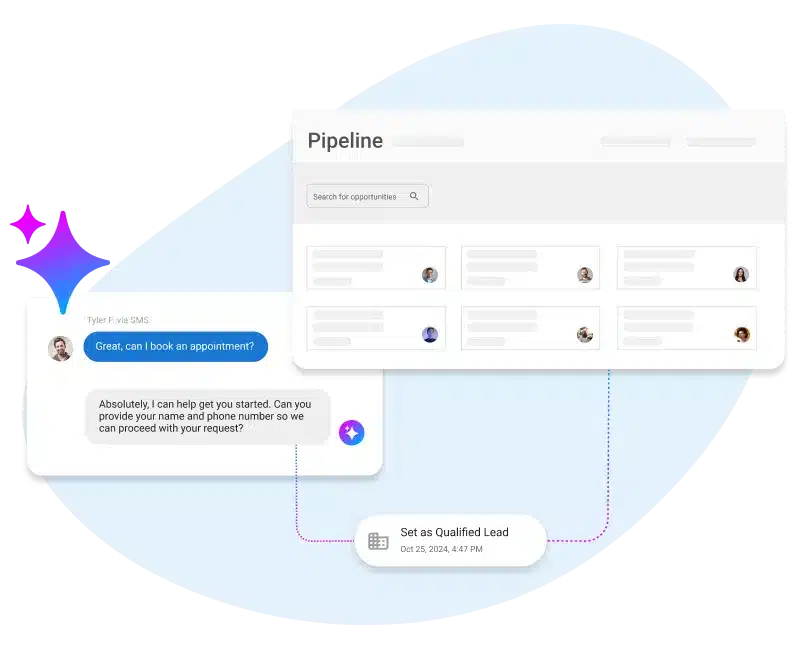
This is why many agencies are adopting automated prospecting AI agency workflows that trigger outreach immediately after a signal is detected.
Vendasta’s AI Workforce handles this exact trigger-to-outreach sequence automatically, without requiring a human to spot the signal first.

Creating Follow-Ups Based on Engagement
Effective outreach does not stop at the first message. Follow-ups should adapt based on how the prospect interacts.
Examples of behavior-based follow-up
- If the email is opened but not replied to, a second message can provide a relevant case study
- If a link is clicked, the next step can be an offer for a quick audit or consultation
- If the prospect replies, the conversation should move directly toward qualification
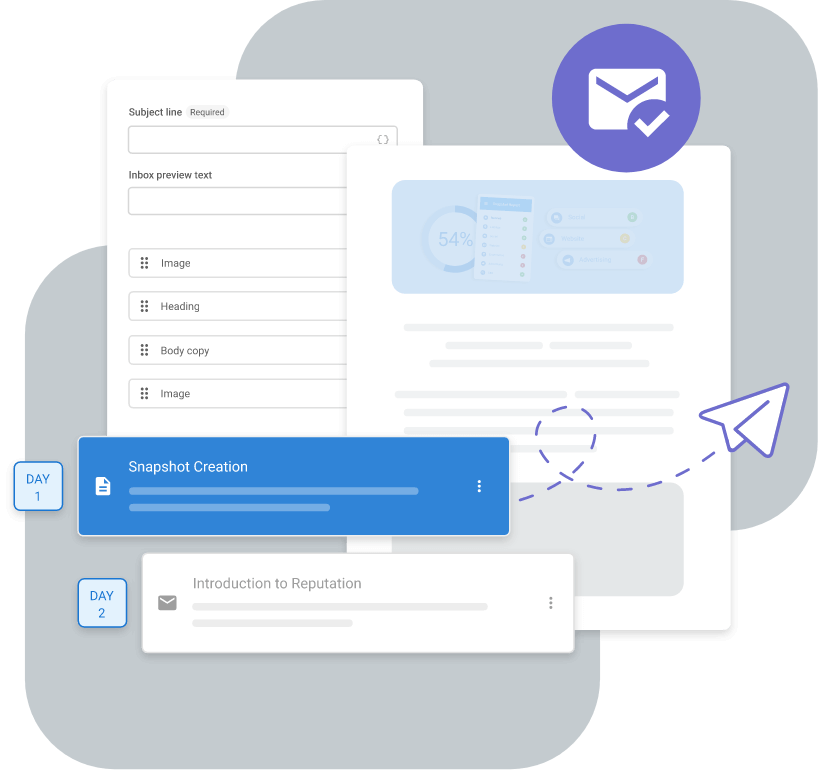
This approach aligns with modern AI agency lead generation 2026 strategies, where engagement data guides the next action. Tools like Campaigns Pro make it easy to trigger these behavior-based follow-ups automatically across email and SMS.
Building a Scalable System for Buyer Intent Signals
To consistently generate results from buyer intent signals for marketing agencies, you need more than a one-off process. The goal is to build a structured system that continuously captures, qualifies, and converts opportunities.
Without a system, even the best signals will be underutilized.
Defining Your Operational ICP Before Tracking Signals
Before collecting data, it is essential to define your operational ICP agency framework. This starts with building a clear ideal customer profile so every signal you track is measured against a real fit, not just activity. Not every business showing intent is a good fit for your services.
Your ICP should include:
- Industry segments you specialize in
- Business size and revenue range
- Service alignment and budget potential
This ensures that your efforts are focused only on high-value prospects.
Setting Up Signal Collection Across Multiple Sources
A scalable system depends on consistent data input. Agencies need tools and processes that track intent signals across different channels.
Common signal sources include
- Website activity and updates
- Paid advertising changes
- Online reviews and ratings
- Hiring trends and job postings
This forms the foundation of your AI agency lead generation 2026 strategy, allowing you to monitor opportunities at scale. Modern AI lead generation tools make this kind of multi-source monitoring possible without manual research.
Automating Lead Qualification
Once signals are collected, the next step is filtering out low-quality leads. Manual qualification slows down the process and reduces efficiency.
Automated qualification can be based on:
- Geographic targeting
- Estimated business size
- Existing marketing maturity
By applying these filters early, agencies can focus their time on prospects that are more likely to convert. A CRM AI system can apply these filters automatically as new leads come in, so nothing falls through the cracks.
Triggering Outreach Based on Specific Signals
The most effective systems connect signals directly to outreach actions. Each signal should trigger a predefined response.
Examples of trigger-based workflows
- A new website launch triggers a website performance audit email
- A surge in negative reviews triggers a reputation management outreach sequence
- A hiring signal triggers messaging around outsourcing and scalability
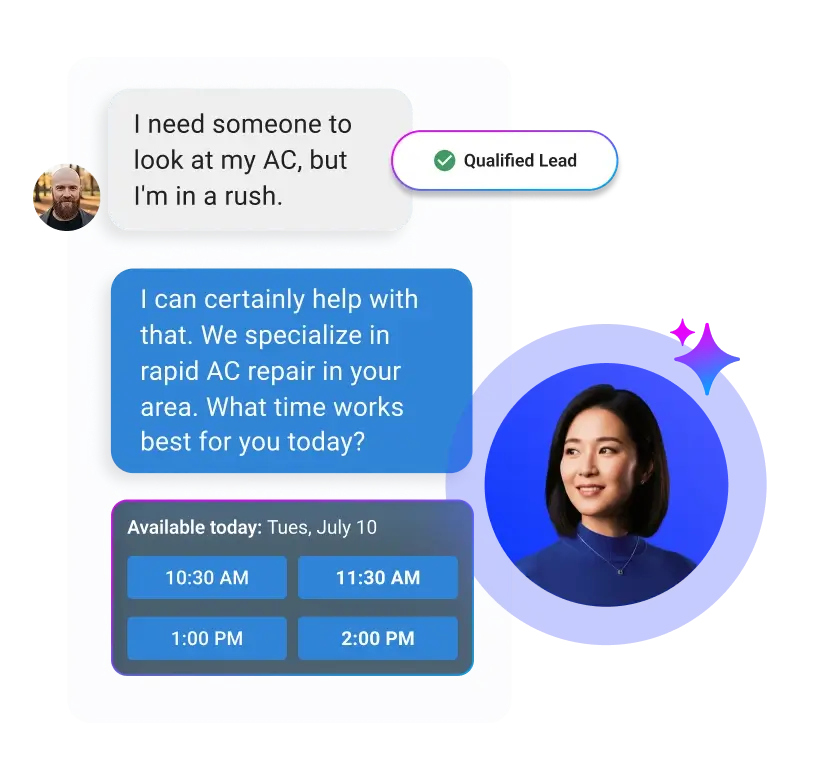
This is where automated prospecting AI agency systems create real leverage. Outreach becomes consistent, timely, and personalized without manual effort. An AI Inside Salesperson, for example, can qualify these inbound signals and book meetings the moment intent is detected.
Tracking and Improving Performance Over Time
A scalable system is not static. It evolves based on performance data.
Agencies should continuously monitor:
- Email reply rates
- Meeting conversion rates
- Sales cycle duration
These insights help refine messaging, improve targeting, and strengthen overall intent-based outreach effectiveness.
The below infographic lays out the core KPIs for measuring automation success — response time, engagement rate, conversion rate, cost per lead.
Common Mistakes to Avoid When Using Buyer Intent Signals for Marketing Agencies
While buyer intent signals for marketing agencies can significantly improve lead generation, many agencies fail to see results because of how they implement them. The issue is rarely the data itself. It is the execution.
Avoiding the following mistakes can make the difference between inconsistent outreach and a predictable pipeline.
Relying on Signals Without Context
Not every signal automatically means a business is ready to buy. A website update or hiring post can have multiple interpretations depending on the situation.
What goes wrong
Agencies often treat every signal as high intent without validating it against their operational ICP agency framework. This leads to irrelevant outreach and low response rates.
What to do instead
Combine signals with context such as industry, business size, and current marketing maturity. This ensures your outreach is both relevant and well-timed.
Sending Generic Outreach Despite Having Intent Data
One of the most common mistakes is using buyer intent signals for marketing agencies but still sending templated messages that do not reference the signal.
What goes wrong
The outreach feels no different from cold email campaigns. The prospect does not see any clear reason to respond.
What to do instead
Build your message around the signal itself. Make it clear why you are reaching out and how it connects to a specific business need. This is the foundation of effective intent-based outreach.
Delaying Outreach and Missing the Buying Window
Timing is critical when working with buying window signals local business data. The longer you wait, the less relevant your message becomes.
What goes wrong
Manual processes slow everything down. By the time outreach happens, the opportunity has already cooled or been captured by someone else.
What to do instead
Use automated prospecting AI agency workflows to trigger outreach immediately after a signal is detected. Speed increases both response rates and conversion rates. Fast response is only half the equation — pairing it with consistent lead nurturing keeps that early interest from going cold.
Tracking Too Many Low-Quality Signals
Not all signals are worth acting on. Trying to monitor everything creates noise and reduces focus.
What goes wrong
Agencies end up chasing low-intent leads, which wastes time and reduces overall efficiency.
What to do instead
Prioritize high-impact signals that align with your services and ICP. Quality matters far more than quantity when using AI agency lead generation 2026 strategies.
Failing to Measure and Improve Outreach Performance
Without tracking performance, it is difficult to improve results over time.
What goes wrong
Agencies continue using the same messaging and targeting even when it underperforms.
What to do instead
Track key metrics such as reply rates, meeting bookings, and deal closures. Use this data to refine your warm outbound for agencies strategy continuously.
Turning Buyer Intent Signals into a Scalable Growth Engine
Buyer intent signals for marketing agencies are not just another tactic. They represent a shift in how agencies approach lead generation and client acquisition.
Instead of relying on guesswork, you are working with real-time indicators that show when a business is actively looking for help. This is ultimately what helps agencies get customers more efficiently — replacing guesswork with real signals and focusing effort only where genuine intent exists.
This allows you to focus your efforts where they matter most and engage prospects at the right moment.
When combined with intent-based outreach, a clearly defined operational ICP agency framework, and automated prospecting AI agency systems, these signals become the foundation of a scalable growth engine.
The below infographic maps the full journey from first intent signal to converted customer, showing where automation touches each stage.
Agencies that adopt this approach are able to:
- Engage higher-quality prospects
- Improve response and conversion rates
- Shorten the sales cycle
- Build a more predictable pipeline
If you are ready to apply buyer intent signals for marketing agencies in a structured and scalable way:
Book a demo to see how you can identify high-intent local businesses, automate outreach, and close deals faster using real-time data
Buyer Intent Signals for Marketing Agencies FAQs
1. What are buyer intent signals for marketing agencies
Buyer intent signals for marketing agencies are actions that indicate a business is actively considering a purchase. These signals include behaviors such as website updates, increased ad spend, hiring activity, or spikes in customer reviews. They help agencies identify prospects that are already in their buying window.
2. How do buyer intent signals work in practice
Buyer intent signals work by tracking real-time business activities and linking them to potential needs. Agencies identify signals, personalize outreach based on those signals, and engage prospects at the right time to accelerate deal flow.
3. Why are buyer intent signals important for marketing agencies
Buyer intent signals are important because they help agencies focus on high-intent prospects instead of cold leads. This improves response rates, reduces wasted outreach, and shortens the sales cycle through more relevant conversations.
4. What are examples of high-intent buyer signals
High-intent buyer signals include website redesigns, increased advertising activity, negative review spikes, and hiring for marketing roles. These signals typically indicate that a business is actively trying to solve a problem or improve performance.
5. How can agencies use buyer intent signals to personalize outreach
Agencies can use buyer intent signals to reference real actions in their outreach messages. For example, mentioning a recent website update or review trend makes the message more relevant and turns cold outreach into intent-based outreach.
6. How quickly should agencies act on buyer intent signals
Agencies should act on buyer intent signals as quickly as possible, ideally within hours. Fast response times increase the chances of engaging prospects during their buying window before competitors reach them.
7. What is the difference between cold outreach and intent-based outreach
Cold outreach targets prospects without confirmed interest, while intent-based outreach uses real signals to identify active demand. This makes intent-based outreach more relevant and significantly more effective in generating responses.
8. Can buyer intent signals help close deals faster
Yes, buyer intent signals help close deals faster by aligning outreach with immediate needs. Since the prospect is already considering a solution, conversations move more quickly from introduction to decision.
9. What tools are used to track buyer intent signals
Agencies use tools that monitor website activity, ad campaigns, reviews, and hiring data to track buyer intent signals. Many also use automated systems and AI-driven platforms to collect and act on this data in real time.
10. How do buyer intent signals support automated prospecting
Buyer intent signals support automated prospecting by triggering outreach based on specific actions. This allows agencies to scale personalized communication using automated prospecting AI agency workflows without losing relevance.