About Us
 Careers
 Leadership
 Board
Board Newsroom
In 2025, SEO looks radically different. AI is not just assisting in keyword research or content creation—it’s transforming how search engines surface and deliver information.
Traditional strategies centered on rankings are giving way to new battlegrounds: Generative Engine Optimization (GEO) and Answer Engine Optimization (AEO).
These approaches focus on structuring content for AI agents to parse, understand, and cite directly—shifting attention from humans scanning pages to AI delivering concise answers.
At the same time, AI tools are automating the grunt work: from generating outlines to identifying high-opportunity keywords, optimizing content in real time, and even auditing SEO performance.
Behind the scenes, though, automation must still hold E-E-A-T front and center, because credibility remains a deciding factor in which AI-generated content is surfaced and trusted.
In this article, we’ll explore how SEO automation with AI can level up your strategy by blending intelligent tool use, structured content design for AI, and human oversight to maximize visibility in an AI-first search world.
Boost local rankings with AI-powered insights and automation
TL;DR
SEO automation with AI is not just emerging—it’s here. Brands are using AI-powered tools to automate keyword research, content creation, on-page optimization, and technical audits. The latest trend? Shifting from SEO to Generative Engine Optimization (GEO) or Answer Engine Optimization (AEO)—digital strategies designed for AI-first search.
What Is SEO Automation With AI?
SEO automation with AI is the process of using artificial intelligence tools to streamline, scale, and optimize search engine optimization tasks that were once manual.
Instead of spending hours on keyword research, content optimization, or technical audits, AI tools can handle these repetitive steps—freeing up time to focus on strategy and creativity.
At its core, SEO automation with AI combines two forces:
- Automation of routine SEO tasks: Keyword clustering, rank tracking, backlink analysis, internal linking, and on-page audits can now be done automatically.
- AI-powered intelligence: Beyond automation, AI tools analyze large data sets, predict search intent, and even generate content optimized for both humans and search engines.
Unlike traditional SEO automation tools, which simply follow programmed rules, AI introduces adaptability. It learns from algorithms, identifies patterns, and makes recommendations that evolve alongside search engine updates.
Here is a comprehensive comparison:
| Feature / Task | Traditional SEO Automation | AI-Powered SEO Automation |
| Keyword Research | Pulls keyword lists based on search volume and competition. | Identifies keywords by analyzing search intent, semantic relationships, and predictive trends. |
| Content Creation | Limited to templates or manual writing. | Generates outlines, drafts, and SEO-optimized copy with natural language processing. |
| On-Page Optimization | Runs rule-based checks (e.g., keyword density, meta tags). | Dynamically analyzes readability, intent, and topical authority for real-time recommendations. |
| Technical SEO Audits | Automates crawling to find broken links, duplicate content, etc. | Prioritizes issues by impact, predicts algorithm changes, and recommends fixes adaptively. |
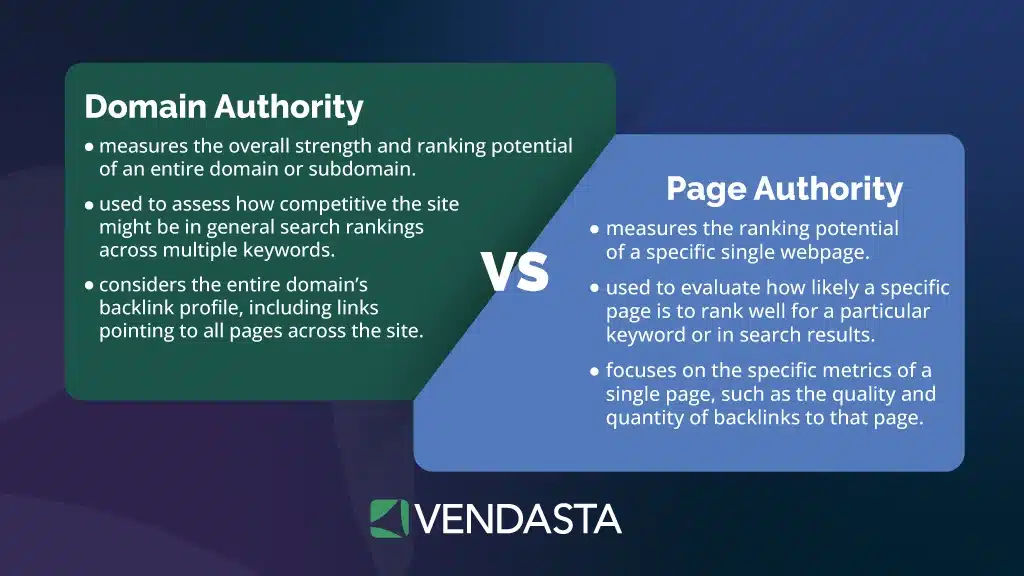
| Backlink Analysis | Tracks backlinks and domain authority scores. | Evaluates backlink quality using contextual relevance and spam prediction models. |
| Performance Tracking | Provides static rank-tracking dashboards. | Monitors multi-channel signals (SERPs, AI search engines, voice) and adapts recommendations. |
| Scalability | Requires manual oversight to maintain accuracy. | Learns from data over time and improves performance with minimal manual input. |
Why Use AI to Automate SEO?
Save Time on Repetitive Work
SEO involves countless recurring tasks such as keyword clustering, technical audits, backlink monitoring, and rank tracking.
These activities are essential but time-consuming. AI automation takes over these processes with precision, freeing up hours each week and boosting agency productivity.
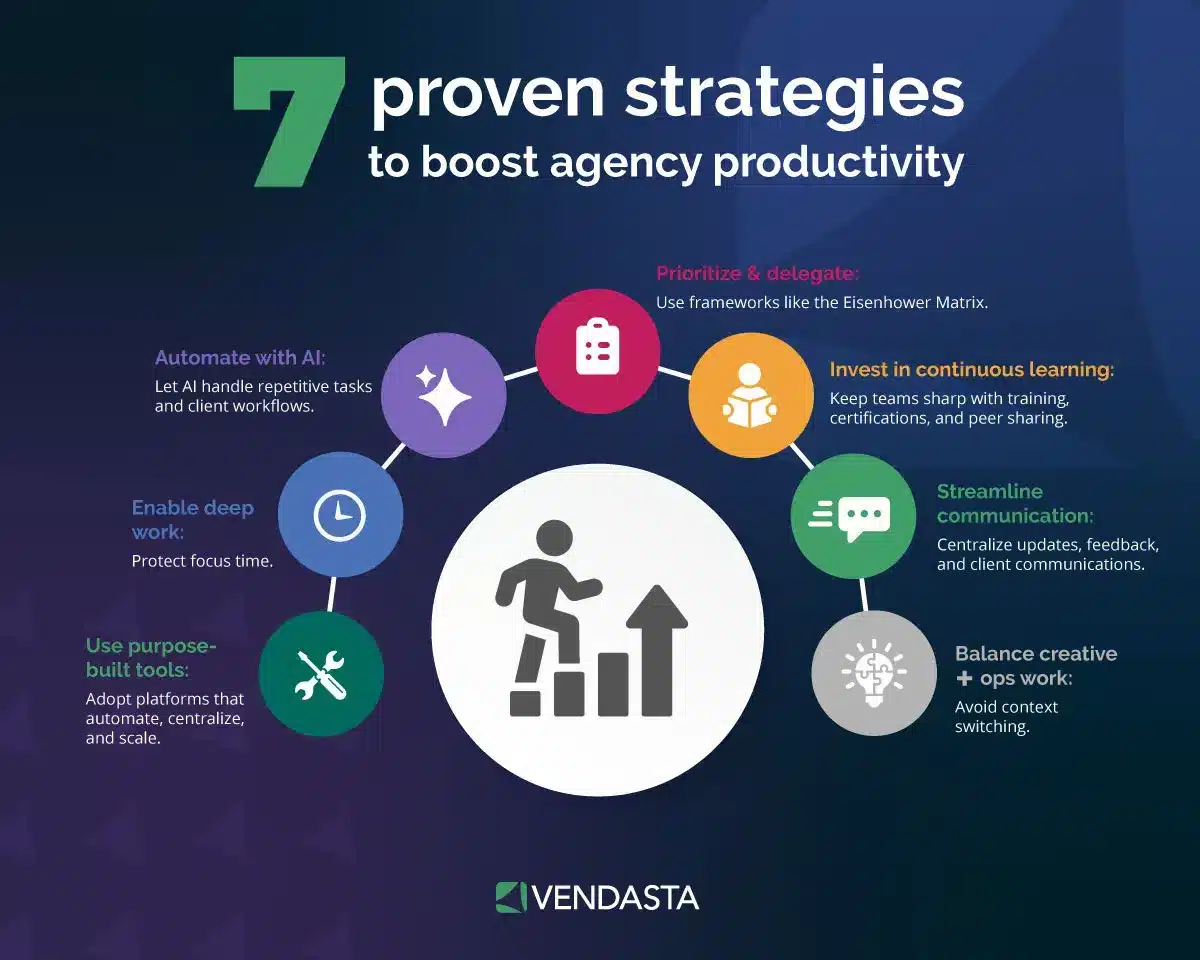
Instead of spending valuable time combing through spreadsheets or manually checking broken links, you can rely on AI to handle the heavy lifting.
This allows you to focus on higher-value activities like developing long-term strategies, building client relationships, and strengthening your brand authority.
Understand Search Intent at Scale
Modern SEO is no longer just about targeting high-volume keywords. It’s about understanding the intent behind those searches.
Predictive AI tools analyze vast amounts of search data and user behavior to identify what your audience truly wants when they type a query.
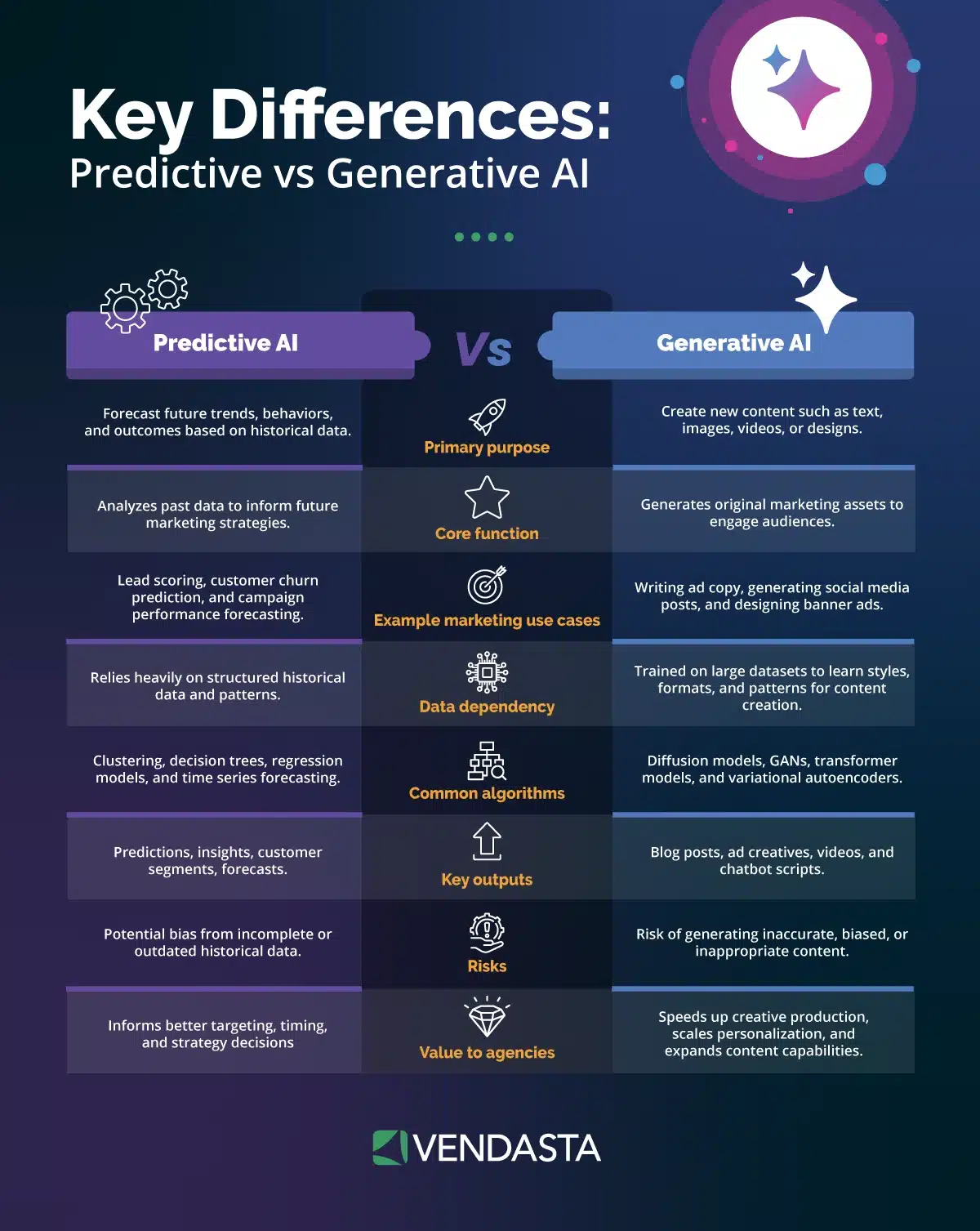
By automating this process, you gain insights into the “why” behind keywords—whether a searcher is seeking information, comparing options, or ready to buy.
Produce Optimized Content Faster
High-quality content remains the foundation of SEO, but producing it consistently at scale is a challenge.
With AI, you can leverage inbound marketing automation by creating content that matches intent more accurately, leading to higher rankings, stronger engagement, and more qualified traffic.
Here’s how it works in practice:
- Content Ideation and Topic Discovery.
AI tools scan SERPs, competitor content, and trending queries to suggest high-value topics that match both user demand and SEO opportunities. Instead of manually combing through search results or keyword planners, you receive instant data-driven insights into what your audience is searching for now. - Keyword and Semantic Optimization.
Beyond simple keyword suggestions, AI analyzes search intent and semantic relationships to recommend related phrases, questions, and subtopics. This ensures your content is contextually rich and addresses the broader topic comprehensively, which is what search engines reward. - Outline Generation and Structure.
AI can generate optimized outlines that mirror the structure of top-ranking pages while filling in content gaps. This guarantees your article covers what competitors are already ranking for, while also adding unique depth to stand out. A strong outline keeps content logically organized and easier to scan, which improves user experience. - Drafting and Copy Assistance.
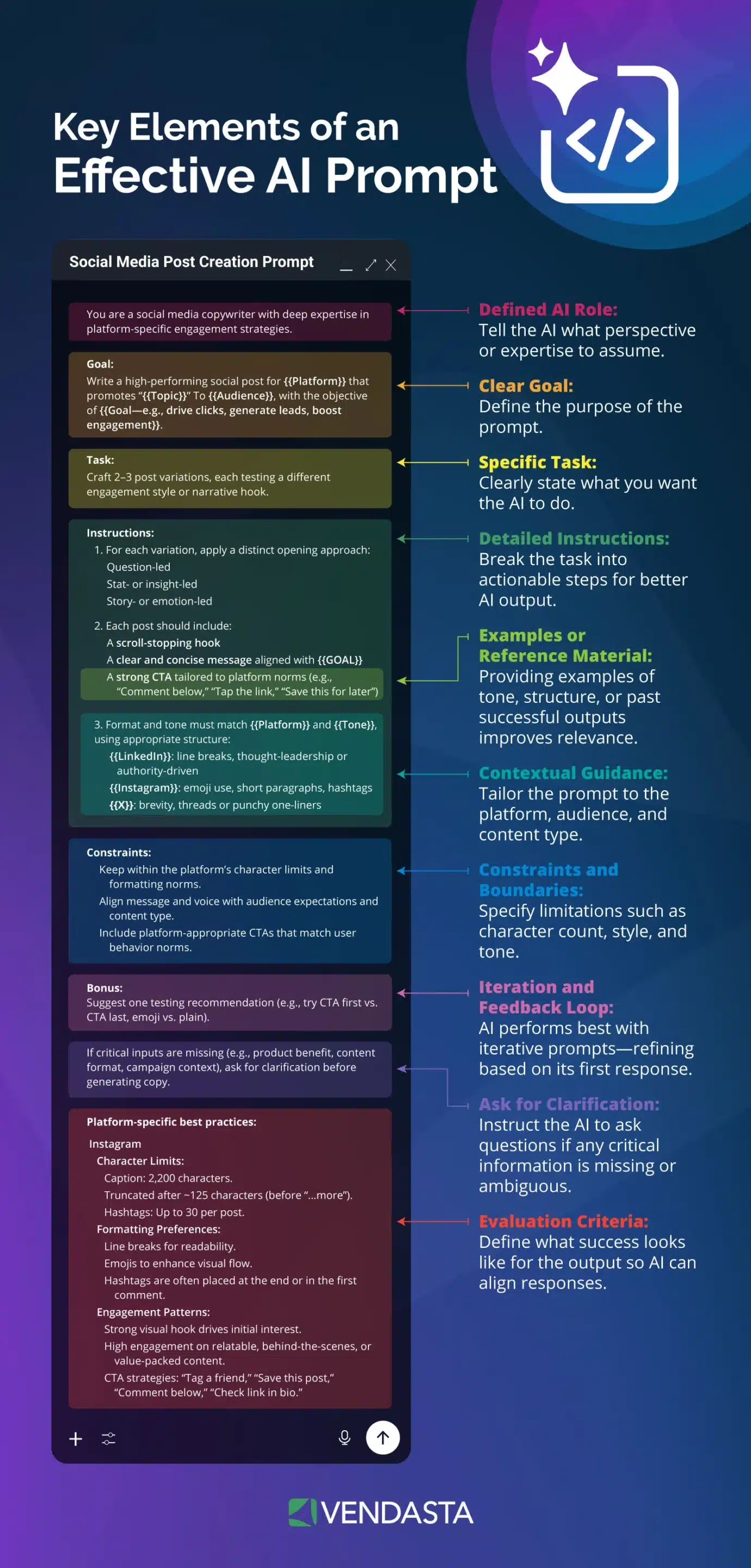
AI writing models can accelerate the drafting process by suggesting introductions, paragraph structures, or even entire sections based on your AI prompting. Instead of starting from scratch, you can refine AI-generated text—reducing the time it takes to go from idea to first draft without compromising quality.
- Real-Time SEO Feedback.
AI-powered platforms evaluate readability, keyword distribution, topical authority, and internal linking as you write. This live feedback helps ensure each piece of content is optimized before it’s even published, reducing the need for lengthy revisions later. - Content Refresh and Updating.
SEO isn’t a one-and-done task—content requires updates to stay relevant. AI can identify declining pages, suggest new keywords, and recommend edits to refresh older articles. This makes it easier to maintain strong rankings over time without having to manually audit your entire site.
Stay Adaptive to Algorithm Changes
Search engine algorithms evolve constantly, and keeping up with every update can be overwhelming. AI solves this by learning from patterns, analyzing SERP fluctuations, and adjusting recommendations accordingly.
This adaptability ensures your SEO strategy remains effective—even when algorithms shift.
For example, imagine Google rolls out an update that prioritizes content depth over keyword frequency.
A traditional automation tool would still push you to hit outdated keyword density benchmarks, potentially harming your rankings. An AI-powered platform, on the other hand, would immediately detect that long-form, in-depth content is performing better in the SERPs.
It would then recommend expanding thin pages with more comprehensive explanations, adding expert quotes, or integrating related subtopics.
Instead of reacting months later, your SEO strategy adapts automatically, keeping your content aligned with what search engines currently reward.
Pro Tip: Read about how to rank on ChatGPT to stay on top of GEO.
Scale Without Sacrificing Quality
One of the biggest concerns with automation is the risk of sacrificing quality for quantity.
AI addresses this challenge by not only producing more content but also ensuring it aligns with SEO best practices.
By enhancing elements like topical depth, authority signals, and trustworthiness, AI helps your content meet the high standards search engines demand.
This makes it possible to scale your SEO strategy without compromising on credibility or brand reputation.

Balance Efficiency with Human Oversight
AI is a powerful assistant, but it is not a replacement for human expertise. The most effective SEO strategies combine AI efficiency with human oversight.
While AI automates research, optimization, and technical execution, human judgment ensures the brand voice, creativity, and strategic direction remain intact.
This AI and human partnership allows businesses to maximize efficiency while maintaining the authenticity and trust that only human input can deliver.

Core SEO Processes You Can Automate with AI
Here are the core SEO workflows that lend themselves best to automation:
Keyword Research and Clustering
Keyword research has traditionally required hours of manual effort to identify target terms and group them into clusters.
AI can now scan millions of search queries in seconds, uncover hidden opportunities, and organize keywords by search intent, semantic relationships, and difficulty.
This ensures you target the right terms while building topical authority across your content.
Content Creation and Optimization
From generating outlines to suggesting semantically related terms, AI makes content creation faster and more effective.
AI-powered platforms provide real-time feedback on keyword usage, readability, and topical coverage—ensuring every article or landing page is optimized before publication.
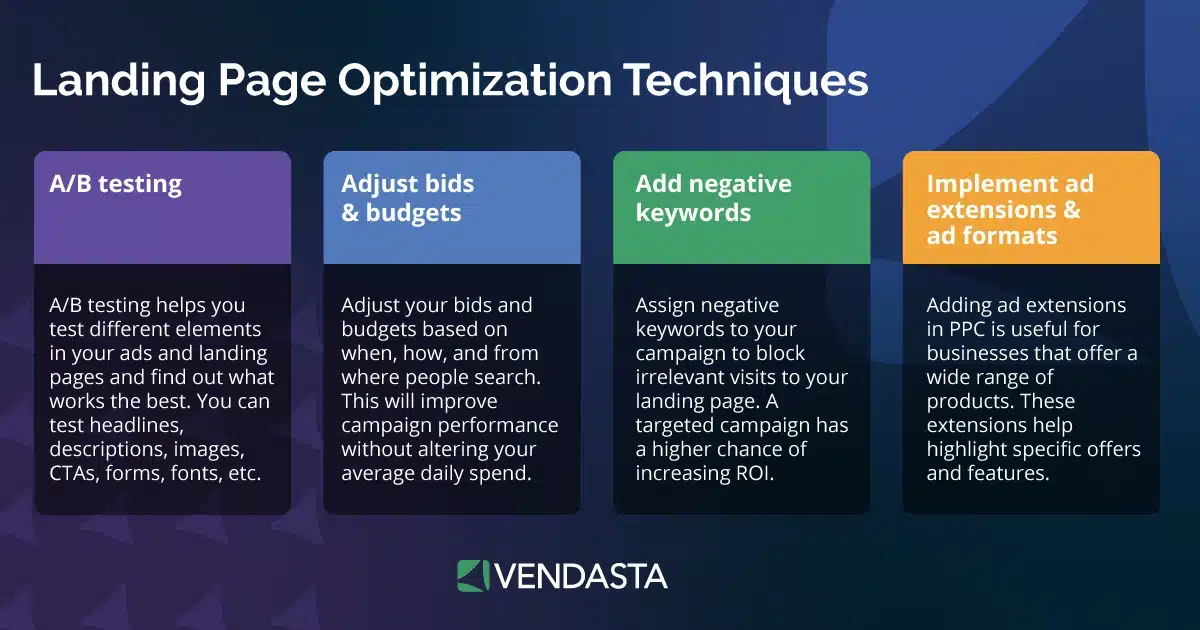
By automating content briefs, headline suggestions, and even draft generation, AI helps you scale content production without sacrificing quality.
On-Page SEO Enhancements
AI tools automatically analyze your pages for SEO best practices—meta tags, header structure, alt text, and internal linking.
Next, they recommend actionable improvements tailored to search engine algorithms and user intent.
This minimizes missed opportunities and ensures every page is fully optimized for maximum visibility.
Technical SEO Audits
AI crawlers can identify broken links, duplicate content, slow-loading pages, and Core Web Vitals issues, then prioritize fixes based on the impact they’ll have on rankings.
Some tools even predict how upcoming algorithm updates could affect your site, giving you a proactive edge.
Link Building and Backlink Analysis
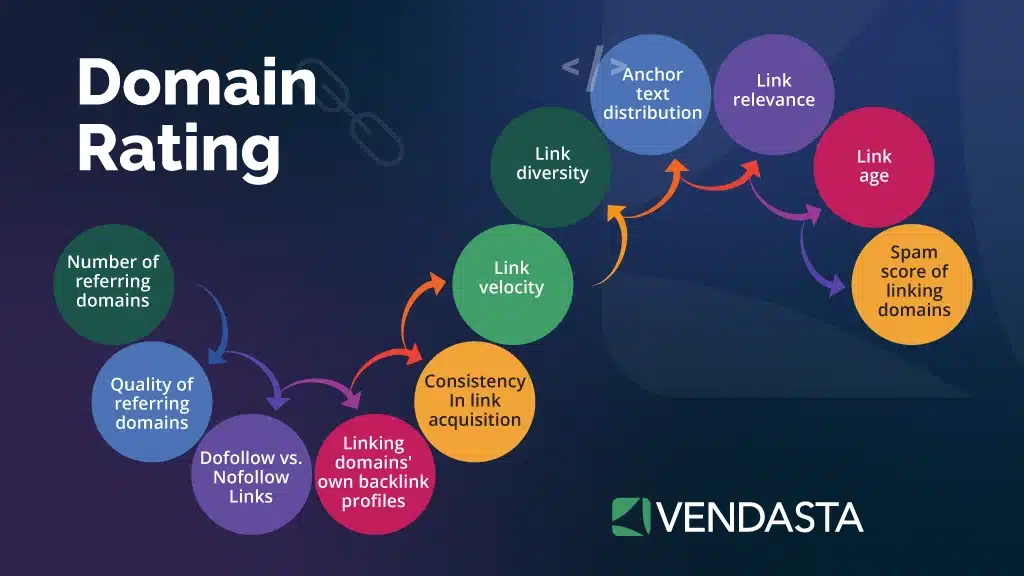
AI helps streamline link acquisition by identifying relevant websites, analyzing domain authority, and predicting which backlinks will deliver the most value.
For backlink monitoring, AI can filter out spammy links and highlight high-quality opportunities—saving you from hours of manual vetting.
Performance Tracking and Reporting
Traditional SEO reporting often relies on static rank-tracking dashboards that show where your pages currently stand. While useful, these snapshots don’t always reveal the bigger picture or guide you on what to do next.
AI changes this by providing dynamic, actionable insights across multiple channels and interpreting them.
By analyzing patterns in clicks, impressions, bounce rates, and conversions, AI can uncover the “why” behind performance shifts and recommend next steps for improvement.
Examples of how AI enhances performance tracking:
- Detecting traffic drops.
Suppose one of your top-ranking blog posts suddenly loses traffic. A traditional dashboard would simply show the decline. An AI-powered system, however, might identify that a competitor has published a longer, more comprehensive article, or that Google has started favoring “People Also Ask” results. It could then recommend updating your content with fresh statistics, FAQs, or multimedia to reclaim visibility. - Optimizing for voice and AI search.
If AI sees that a growing portion of users are arriving via voice queries, it might highlight opportunities to optimize your content with conversational phrases and structured data—ensuring your site is cited when people ask voice assistants for answers. - Prioritizing improvements.
Instead of listing dozens of metrics, AI ranks issues by potential impact. For example, it might flag that a product page with high impressions but low click-through rates needs a stronger meta description. Acting on this single recommendation could deliver more ROI than dozens of smaller fixes.
The result: Performance tracking shifts from being reactive to proactive. Instead of simply reporting what has happened, AI systems guide you on why it happened and what to do next—giving your SEO strategy a competitive edge.
AI Visibility Scores: Measuring Your Influence in Generative Search
In 2026, ranking #1 on a traditional search results page is only half the battle. With the rise of AI Overviews and chatbots, users often get the information they need without ever clicking a link. This has given birth to a critical new automated process: tracking your AI Visibility Score.
An AI Visibility Score is a metric that quantifies how often your brand, product, or website is cited as a primary source by generative AI models like ChatGPT, Perplexity, and Google Gemini. Unlike traditional rankings, which are static, these scores measure your Share of Model Recommendation across thousands of conversational prompts.
Why You Must Automate This Process:
- Zero-Click Dominance: Over 50% of searches now result in zero clicks because the AI provides the answer directly. If you aren’t tracking your visibility within those answers, you’re flying blind.
- High-Conversion Traffic: While AI search volume may be lower than traditional search, users who do click through from an AI citation convert at a higher rate. They aren’t just browsing; they are being referred by a trusted assistant.
- Sentiment and Context Tracking: Automated AI visibility tools analyze the sentiment of the response. Is the AI recommending your business as the “best value” or the “premium choice”? Automation helps you monitor and steer this narrative at scale.
Key Metrics to Track in Your AI Dashboard:
| Metric | What it Measures | Why it Matters |
| Inclusion Rate | The % of target prompts where your brand is mentioned. | This is the “New Ranking.” If your inclusion rate is 30%, you appear in 3 out of 10 AI conversations. |
| Citation Stability | How consistently the AI cites the same page over time. | High stability means the AI has “learned” that your page is the definitive authority on a topic. |
| Entity Association | Which keywords the AI most frequently links to your brand. | Ensures that AI models associate your business with the correct service categories. |
Top AI SEO Automation Tools for 2026
The right tools can save hours of manual work while improving accuracy and scalability. Below are some of the top AI tools to consider in 2026, organized by the SEO process they best support.
Keyword Research and Clustering
- Semrush Keyword Magic Tool with AI Assist: Uses natural language processing (NLP) to suggest semantically related keywords and cluster them into themes for easier campaign planning.
- Ahrefs with AI-Powered Keyword Insights: Goes beyond search volume, analyzing click-through potential and intent behind queries.
- Vendasta AI-Powered Local SEO: Uses AI to suggest high-impact local keywords, track rankings, and integrate Google Business Profile insights to boost search visibility.
Content Creation and Optimization
- Jasper AI: Generates blog posts, product descriptions, and ad copy tailored to SEO goals, with built-in templates for search optimization.
- Vendasta AI Social Media Manager: Drafts, schedules, and posts content for websites, blogs, and social media platforms to educate leads and drive new business.
- Surfer SEO: Integrates directly with content editors, giving real-time optimization scores based on keyword usage, readability, and competitive benchmarks.
- Clearscope: Helps writers enrich their content with related terms and concepts that boost topical authority and improve SERP performance.
On-Page SEO Enhancements
- MarketMuse: Uses AI to evaluate content depth, suggesting missing topics, questions, and subheaders to strengthen page authority.
- Frase.io: Analyzes SERP results in real time and provides AI-driven content briefs, FAQs, and schema recommendations to improve on-page SEO.
- Yoast SEO Premium with AI Integration: Offers automated improvements for meta descriptions, schema markup, and internal linking directly within WordPress.
Technical SEO Audits
- Screaming Frog SEO Spider with AI Enhancements: Automates crawling and uses AI to prioritize issues like broken links, duplicate content, and Core Web Vitals problems.
- DeepCrawl (Lumar): Employs machine learning to predict the potential impact of technical fixes and offers prioritized recommendations.
- Sitebulb: Uses AI-driven analysis to explain audit findings in plain language, making it easier to understand and act on complex technical SEO issues.
Link Building and Backlink Analysis
- Pitchbox: Automates outreach campaigns with AI that identifies relevant websites and personalizes outreach at scale.
- BuzzStream with AI Prospecting: Helps discover and qualify backlink opportunities by analyzing authority, relevance, and engagement.
- Link Whisper: An AI-powered WordPress plugin that suggests smart internal linking opportunities to strengthen site structure and improve rankings.
Performance Tracking and Reporting
- Google Analytics 4 with AI Insights: Automatically detects anomalies in traffic, user behavior, and conversions. The AI-powered insights feature highlights opportunities (e.g., rising keywords or declining pages) and suggests optimization strategies.
- SE Ranking with AI Forecasting: Provides predictive SEO analytics, estimating future keyword rankings and traffic growth based on historical patterns and competitor trends.
- Moz Pro with AI-Powered Rank Tracking: Goes beyond reporting by analyzing SERP features (featured snippets, “People Also Ask,” local packs) and highlighting missed opportunities for optimization.
- Vendasta SEO Reporting & Citation Builder: Offers white-label local SEO reports, geolocation rank tracking, and automatic citation management across 300+ directories.
Step‑by‑Step Guide to Implementing AI SEO Automation
AI can transform your SEO workflow, but success comes from knowing how to roll it out systematically. Instead of trying to replace everything at once, follow this step-by-step approach to integrate AI into your existing AI strategy.
Step 1: Define Clear SEO Goals
Before adopting any AI tools, decide what you want to achieve and formulate SMART goals.
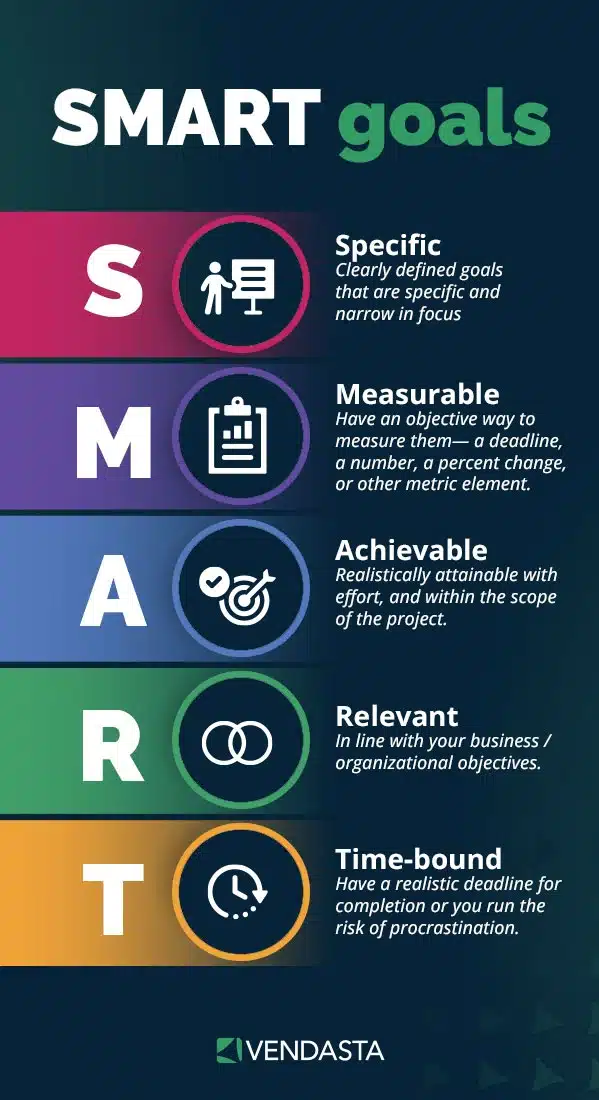
Are you focused on ranking for new keywords, scaling content production, improving technical performance, or all of the above?
Setting measurable goals—such as “increase organic traffic by 25% in six months”—will guide which tools and processes to prioritize.
Step 2: Audit Your Current SEO Processes
Map out your existing workflows. Identify time-consuming tasks such as manual keyword research, backlink vetting, or technical audits.
This will highlight where AI automation can deliver the biggest impact. For example, if your team spends hours clustering keywords, an AI-powered keyword research platform is a logical starting point.
Step 3: Select the Right AI Tools
Choose tools that align with your goals.
For keyword research, options like Semrush with AI assist or Surfer Grow Flow excel.
For content optimization, Clearscope and MarketMuse are powerful. For technical SEO, DeepCrawl (Lumar) or Screaming Frog with AI insights are strong picks.
Avoid chasing every new tool—focus on those that directly support your objectives.
For businesses that want a more streamlined approach, consider opting for an AI customer acquisition and engagement platform.
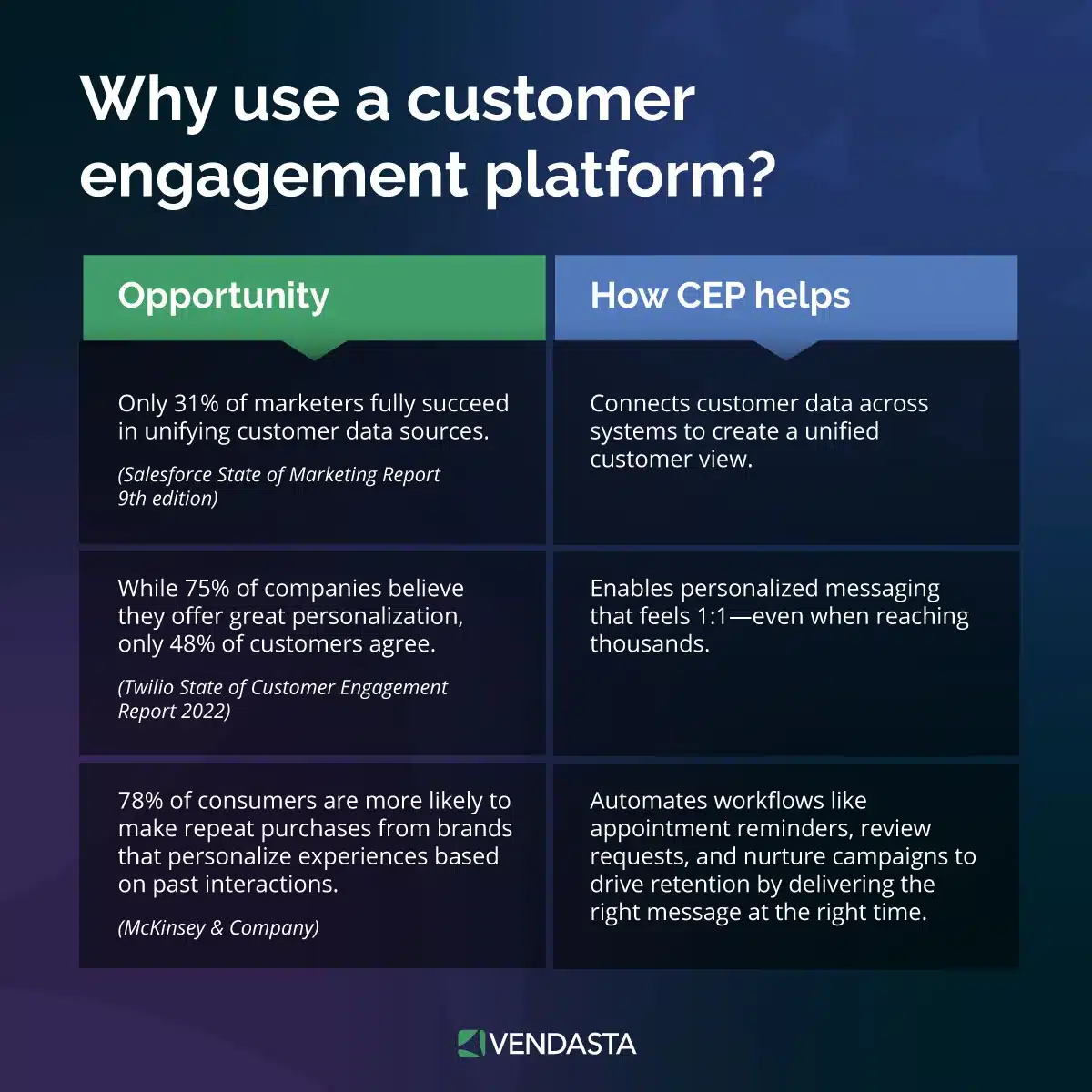
For example, Vendasta brings AI-driven content tools, reporting, and customer engagement capabilities under one roof.
This allows you to manage keyword research, content creation, technical optimization, and performance tracking in a single ecosystem—while also connecting SEO efforts directly to customer acquisition and retention.
The result is a more efficient, cost-effective, and unified strategy.
Step 4: Integrate AI Into Daily Workflows
Start small and expand gradually. For instance:
- Use AI for weekly keyword clustering.
- Incorporate AI content briefs into your editorial calendar.
- Run automated technical audits monthly.
This way, AI adoption feels natural rather than disruptive.
Step 5: Combine AI Insights With Human Oversight
AI excels at speed and pattern recognition, but humans provide context, creativity, and brand alignment.
Always review AI-generated recommendations before implementation. For example, if AI suggests adding trending keywords, ensure they match your brand voice and audience expectations.
Step 6: Monitor Results and Adjust
AI tools offer predictive analytics and real-time performance tracking. Review metrics like organic traffic, keyword rankings, and engagement to see if automation is delivering results.
If AI-assisted content is driving traffic but not conversions, adjust your strategy—perhaps by targeting different intent stages or strengthening calls to action.
Step 7: Scale What Works
Once you see measurable improvements, expand automation to more areas. Scale content creation, increase the frequency of technical audits, or launch AI-assisted outreach campaigns for link building. The key is to scale proven processes, not everything at once.
Pro Tip: Want a quick reference to accelerate your AI implementation? Check out theAI Cheat Sheet.
Common Pitfalls and How to Avoid Them
Below are the most common pitfalls in AI-driven SEO and practical strategies to avoid them.
Over-Automating Without Human Oversight
The Pitfall: Relying on AI to create content or make SEO decisions without review can lead to generic, inaccurate, or even misleading material. This undermines trust with both search engines and readers.
How to Avoid It: Treat AI as an assistant, not a replacement. Always have a human editor refine AI-generated drafts to ensure accuracy, brand consistency, and originality.
Ignoring E-E-A-T Principles
The Pitfall: AI-generated content may lack signals of experience, expertise, authoritativeness, and trustworthiness (E-E-A-T), which search engines increasingly value.
How to Avoid It: Add human elements like expert quotes, author bios, and case studies. Blend AI efficiency with authentic insights that demonstrate your credibility.
Chasing Tools Instead of Strategy
The Pitfall: Many marketers invest in multiple AI tools without a clear plan. This creates redundancy, wasted spend, and a fragmented workflow.
How to Avoid It: Start by defining your SEO goals, then choose tools that directly support them.
Publishing Quantity Over Quality
The Pitfall: AI makes it tempting to produce massive amounts of content quickly. However, thin or low-value articles can damage rankings and dilute your brand.
How to Avoid It: Prioritize quality. Ensure every AI-assisted article addresses user intent fully, provides actionable insights, and passes editorial review before publishing.
Misinterpreting AI Recommendations
The Pitfall: AI tools surface vast amounts of data, but misreading it can lead to misguided decisions—such as targeting irrelevant keywords or over-optimizing pages.
How to Avoid It: Use AI insights as guidance, not absolutes. Validate recommendations with your own expertise, competitor research, and audience knowledge before implementing.
Neglecting Algorithm Shifts
The Pitfall: Some assume AI tools will automatically keep them safe from algorithm updates. In reality, AI can help adapt, but it’s not foolproof.
How to Avoid It: Stay informed about major Google updates and cross-check how your AI platforms interpret them. Combine tool insights with your own proactive monitoring.
AI Prompts to Supercharge Your SEO Automation
If you’re unsure how to structure prompts to get the best results for SEO automation, download Vendasta’s ebook: The Top 100 AI Prompts Every Marketer Needs.
Inside, you’ll find prompts designed specifically for SEO workflows, including:
- Google Business Profile Optimization Prompt: Audit and enhance a local business profile (e.g., a coffee shop in Austin) to maximize local visibility, attract more clicks, and drive qualified leads.
- Build a Topic Cluster with Competitive Content Gap Insights: Analyze top competitors, find underdeveloped subtopics, and build a full cluster strategy that positions your site as the authority.
- Keyword Research for Niche + Geography Prompt: Generate prioritized keyword lists tailored to local markets, segmented by intent (informational, transactional, navigational).
- FAQ Schema Generation Prompt: Create FAQs with structured data to capture rich results and optimize for AI-driven answer engines.
- Meta Descriptions Prompt: Produce high-converting meta descriptions under 155 characters that improve click-through rates.
- Optimizing Content for AI Generators (GEO) Prompt: Prepare content specifically for AI discovery, ensuring visibility in tools like ChatGPT, Google’s AI Overviews, and voice assistants.
Emerging Trends: AEO and GEO (Generative Engine Optimization)
Two key trends are emerging in 2025 that every business should understand: Answer Engine Optimization (AEO) and Generative Engine Optimization (GEO).
What Is Answer Engine Optimization (AEO)?
Answer Engine Optimization is the practice of structuring your content so that AI-driven search engines, chatbots, and voice assistants can easily extract and deliver direct answers.
Instead of users clicking on ten blue links, they increasingly ask AI systems like Google’s SGE, Bing Copilot, or ChatGPT search plugins for immediate answers.
How AEO Works:
- AI pulls information from trusted, well-structured sources.
- It favors concise, fact-based, and clearly formatted content (FAQs, how-to steps, bulleted lists).
- The goal is to make your business the cited authority in AI-generated responses.
Example: If a user asks, “What is SEO automation with AI?” an AEO-optimized page would provide a clear, one-paragraph definition at the top, increasing the chance of being quoted directly in the AI’s answer.
What Is Generative Engine Optimization (GEO)?
Generative Engine Optimization takes this one step further. Instead of optimizing just for Google or Bing, GEO is about making your content discoverable and favored by generative AI platforms—tools that summarize, create, and recommend content (ChatGPT, Perplexity, Anthropic Claude, and others).
How GEO Works:
- Content must be structured for AI parsing—clean headings, schema markup, and strong topical relevance.
- Originality and authority are critical, since AI models weigh credibility when choosing sources.
- Multimedia (images, charts, infographics) can increase the likelihood of your content being surfaced in generative responses.
Example: If someone uses ChatGPT or Perplexity to research “best AI SEO tools,” a GEO-optimized article that includes structured comparisons, real data, and citations has a higher chance of being summarized, linked, or recommended in the AI’s output.
Why AEO and GEO Matter for the Future of SEO
- Shift in Visibility: Traditional rankings matter less when users no longer scroll SERPs but rely on AI answers.
- Authority as Currency: Only the most credible, well-structured, and trustworthy sources will get cited.
- Competitive Advantage: Few businesses are optimizing for AEO and GEO yet—adopting these strategies early positions your brand ahead of the curve.
Beyond Tools: Building an AI Agent SEO Workflow
To dominate search in 2026, you must understand a fundamental shift: the era of “AI SEO Tools” is being superseded by the era of “AI SEO Agents.” While a tool is designed to perform a single, static task like checking a keyword’s volume or running a site crawl, an agent is goal-oriented and autonomous.
A tool requires you to sit in the driver’s seat and click every button. An agent is a digital employee you “hire” to manage the entire journey from start to finish.
How an Agent Differs from a Tool
The primary difference lies in multi-step orchestration. A traditional tool gives you raw data and waits for your next command. An AI agent, however, executes a continuous feedback loop to achieve a specific outcome.
The Agentic Loop in Action:
- Scrape SERP: The agent autonomously analyzes the top 10 competitors for your target keyword.
- Analyze Content Gaps: It identifies exactly which subtopics, statistics, and entities your competitors have that you lack.
- Draft Outline: It builds a comprehensive structure designed to exceed the topical authority of the current ranking leaders.
- Generate Schema: It automatically writes the JSON-LD structured data (FAQ, Article, or Product schema) to ensure AI search engines can easily parse your content.
How Vendasta’s AI Workforce Automates the Customer Journey
Vendasta is an AI customer acquisition and engagement platform powered by an AI Workforce. These are goal-oriented AI employees designed to automate marketing, sales, and operations by leveraging your business’s unique data.
By integrating these AI agents, businesses can move from manual “task-doing” to high-level strategy, allowing the AI to handle the heavy lifting across every stage of the customer funnel.
Meet Your AI SEO and Content Team
- AI Social Media Manager: Beyond just writing, this agent drafts, schedules, and posts content for websites, blogs, and social media. It educates leads and drives new business by creating content that is contextually relevant and optimized for both humans and AI search engines (GEO).
Automating Engagement and Conversion
- AI Reputation Specialist: Search engines reward trust. This agent builds your online authority by delivering personalized review responses and sending automated requests for positive feedback. It even uses built-in AI chat to help you spot sentiment trends and make data-driven decisions.
- AI Receptionist: Never leave a lead waiting. This agent provides instant, 24/7 responses via phone, SMS, or web chat. It promotes products, answers complex questions, and books appointments directly into your calendar—all while capturing critical lead info for your CRM.
- AI Inside Salesperson: This agent acts as a professional consultant, using a mandatory discovery gate to qualify leads, handle objections, and book high-value meetings 24/7, ensuring your sales team only focuses on the most promising opportunities.
Data-Driven Growth and Analysis
- AI Data Analyst: Using the AIR framework (Analyze, Interpret, Recommend), this agent transforms CRM activities, reviews, and social metrics into actionable business briefings. It connects the dots between your marketing spend and actual revenue growth.
- AI Sales Assistant: Focus on closing deals while the AI handles the paperwork. This agent automatically updates CRM records after every meeting and identifies the “next best steps” to unlock hidden revenue.
Why the AI Workforce is Different
Unlike standard AI assistants that require constant prompting, Vendasta’s AI employees are integrated and data-fed. They come pre-configured with the context local businesses rely on, working out of the box to perform multi-step workflows.
Whether you choose a ready-made employee or build a custom AI Employee tailored to your unique rules and documents, you get a scalable team that works 24/7 to grow your business.
Scaling SEO Automation: No-Code vs. Custom Workflows
For agencies, the transition from managing five clients to fifty is about architecting for scale. In 2026, the competitive landscape is divided into two camps: those who use “No-Code” ecosystems to move fast and those who build “Custom” automation for proprietary advantages.
To choose the right path, your business must balance technical overhead with the need for a unique market fingerprint.
The Comparison: Which Path to Scale?
| Feature | No-Code Automation (Vendasta, Zapier) | Custom Automation (APIs, Python, n8n) |
| Speed to Market | Instant. Deploy a full SEO suite in minutes. | Weeks/Months. Requires development and testing. |
| Technical Barrier | Low. Managed through visual drag-and-drop interfaces. | High. Requires knowledge of Python, JSON, and API documentation. |
| Maintenance | Minimal. The platform provider handles updates and API breaks. | Ongoing. You are responsible for “server-side” upkeep and bug fixes. |
| Customization | High. Wide range of pre-built integrations. | Infinite. Build unique internal tools no competitor can buy. |
| Cost Structure | Predictable. Monthly SaaS subscription (per seat/client). | Variable. Developer salaries + hosting + API usage tokens. |
The No-Code Fast Track: Efficiency at Scale
No-code automation is the “Gold Standard” for agencies that want to focus on strategy over syntax. By using a centralized platform like Vendasta, you bypass the need for a dedicated DevOps team.
- Integrated Ecosystems: Instead of gluing tools together with dozens of Zapier tasks, Vendasta offers a unified environment where local SEO, reputation management, and AI content creation share the same data pool.
- White-Label Scaling: You can spin up a fully automated SEO dashboard for a new client in seconds, complete with automated reporting that keeps them engaged without you lifting a finger.
- The Benefit: You maximize your gross margin by keeping labor costs low while delivering high-end, AI-driven results.
The Custom Route: Building Proprietary Moats
For technical agencies or those serving enterprise-level clients, custom automation using Python and Direct APIs (like the Search Console API or OpenAI’s API) allows you to build proprietary workflows.
- Data Science for SEO: Use Python libraries like Pandas and BeautifulSoup to perform massive-scale SERP analysis or internal link mapping that off-the-shelf tools can’t handle.
- Agentic Orchestration: You can build custom AI agents that interact with your specific internal databases to generate content that is 100% unique to your client’s industry.
- The Benefit: You create a productized service that is impossible for competitors to replicate because it’s powered by your own private code.
Which Should You Choose?
Most successful agencies in 2026 use a hybrid approach. They use Vendasta as their “Operational Core” to handle 90% of the heavy lifting, such as reporting, local listings, and reputation, while layering on custom scripts for the remaining 10% of high-value, bespoke analysis.
By leveraging the reliability of No-Code for the grunt work and the flexibility of Custom code for the magic, you position your business as a modern, tech-forward authority capable of handling any client at any scale.
Conclusion
SEO automation with AI is no longer a future concept—it’s the present reality of how businesses stay competitive in an AI-driven search landscape.
By streamlining keyword research, optimizing content, automating reporting, and strengthening local SEO, AI empowers you to work smarter, not harder. The key is combining the speed and precision of AI with human creativity and strategy to build sustainable, long-term results.
With Vendasta, you don’t need to juggle multiple disconnected tools. Our all-in-one AI customer acquisition and engagement platform brings SEO, social marketing, reputation management, and reporting together under one roof—helping you attract more customers, engage them effectively, and build lasting loyalty.
Ready to see it in action? Schedule your free demo with Vendasta today and discover how AI-powered SEO automation can transform the way you grow your business.
SEO Automation with AI FAQs
1. What is SEO automation with AI?
SEO automation with AI is the use of artificial intelligence to streamline repetitive SEO tasks such as keyword research, content optimization, and reporting. Instead of relying solely on manual work, AI tools speed up execution while offering smarter, data-driven insights.
2. How does AI improve keyword research and clustering?
AI analyzes massive datasets of search queries to identify patterns, intent, and semantic relationships. This makes keyword clustering faster, more accurate, and aligned with how users actually search, helping marketers target broader topics and build topical authority.
3. Can AI create SEO-optimized content?
Yes. AI tools can generate outlines, recommend keywords, and even draft SEO-friendly content. However, human oversight is important to ensure accuracy, brand voice, and originality. AI works best as an assistant, not a full replacement for skilled content creators.
4. Why should small businesses use AI for SEO automation?
Small businesses often lack the time and resources for ongoing SEO. AI automation reduces workload by handling technical audits, tracking rankings, and optimizing content. Platforms like Vendasta make these tools accessible in one place, helping SMBs compete more effectively online.
5. Do I still need an SEO specialist if I use AI automation?
Yes. AI speeds up execution but doesn’t replace strategic thinking. An SEO specialist interprets AI insights, adapts them to business goals, and ensures campaigns stay aligned with evolving search algorithms. AI and human expertise together deliver the best results.
6. What SEO tasks can AI automate the most effectively?
AI is best at repetitive or data-heavy tasks like keyword clustering, meta tag optimization, technical site audits, link analysis, and performance reporting. This frees up time for marketers to focus on strategy, creativity, and customer engagement.
7. How does Vendasta help automate SEO with AI?
Vendasta combines multiple AI tools into one platform, making SEO automation more efficient. Its social marketing tool suggests keywords and drafts posts, its Executive Report consolidates performance data, and its reputation management platform strengthens local SEO through review monitoring.
8. Will AI automation replace traditional SEO practices?
No. AI enhances, not replaces, SEO. Traditional practices like building backlinks, writing quality content, and optimizing user experience are still essential. AI simply speeds up processes and improves accuracy, allowing businesses to scale SEO faster and more effectively.
9. How do AI-driven reports improve SEO strategy?
AI reporting tools analyze data and suggest next steps. For example, Vendasta’s Executive Report highlights keyword performance, engagement, and areas needing improvement, turning raw numbers into actionable recommendations for better results.
10. Is SEO automation with AI affordable for small businesses?
Yes. Many AI SEO tools are cost-effective compared to hiring full-time staff. Vendasta offers bundled AI-powered solutions, giving SMBs access to enterprise-level SEO automation features without the expense of multiple subscriptions.
11. How does AI help with local SEO?
AI can audit and optimize local listings, generate targeted keywords with geo-modifiers, and monitor reviews across platforms. With Vendasta’s reputation management and Google Business Profile optimization prompts, businesses can increase local visibility and attract more qualified leads.
12. Can AI help improve my site’s rankings faster?
AI speeds up execution by identifying opportunities, automating audits, and optimizing content in real time. While no tool can guarantee instant results, AI ensures that strategies are implemented faster and with fewer errors, accelerating progress toward higher rankings.
13. What are the risks of relying too much on AI for SEO?
Over-relying on AI can lead to generic, low-quality content or strategies misaligned with your brand. To avoid this, combine AI automation with human oversight, ensuring originality, creativity, and relevance in every SEO campaign.
14. How does AI adapt to Google algorithm updates?
AI tools analyze SERP fluctuations and identify patterns after algorithm changes. This helps marketers quickly adapt strategies. Platforms like Vendasta also surface real-time insights so businesses can respond proactively instead of waiting for manual audits.
15. Can AI optimize my social media for SEO?
Yes. Social signals play a role in visibility. Vendasta’s social marketing platform identifies trending keywords, suggests hashtags, and drafts optimized social posts—helping you extend SEO value into social channels and strengthen brand awareness.
16. Do AI tools help with link building?
AI can identify potential backlink opportunities, evaluate domain authority, and even suggest outreach strategies. While building relationships still requires human effort, AI makes the research and qualification process much faster.
17. How does AI reporting benefit agencies?
Agencies can save hours of manual reporting by using AI-generated dashboards. Vendasta’s Executive Report, for example, consolidates SEO, social, and reputation data into one branded report, making it easier to communicate value to clients.
18. What’s the difference between traditional SEO automation and AI-powered SEO automation?
Traditional automation follows static rules (e.g., keyword density checks). AI-powered automation is adaptive, learning from search behavior and algorithm updates. This makes AI better suited for modern SEO, where intent and context matter as much as keywords.