About Us
 Careers
 Leadership
 Board
 Newsroom
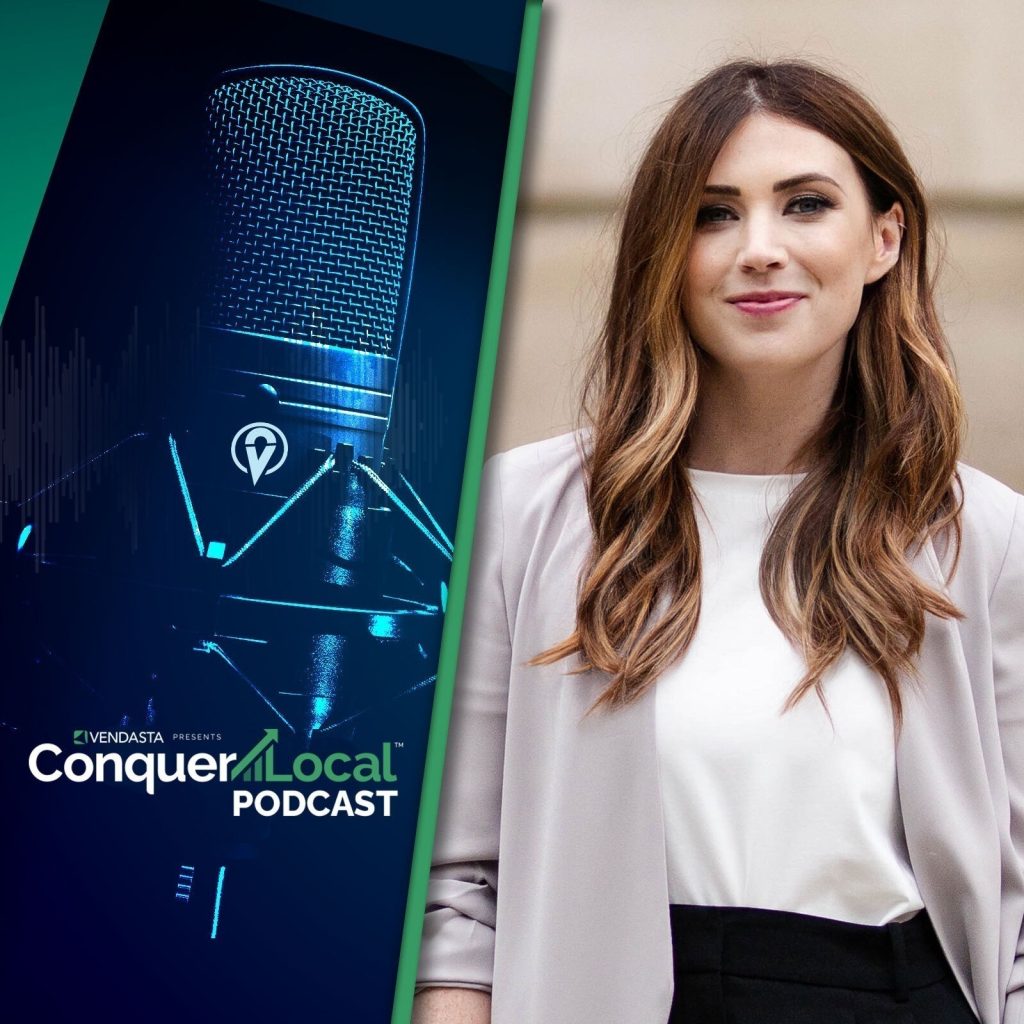
Heather Thomson, Executive Director of the Alberta School of Business – Centre for Cities and Communities joins us on the latest episode. As the co-founder of this institution, Heather’s passion lies in mentoring the next generation of business innovators and collaborating with influential leaders in the business community. With a focus on education, consulting, academic & applied research, and industry outreach, Heather shares invaluable insights on how to create thriving cities and communities.
Beyond her role at the Alberta School of Business, Heather is also a consultant at 13 Ways Inc., a Community Development Firm. Through this work, she conducts comprehensive business and community assessments and crafts specialized community plans centred around economic development, local business prosperity, and beautification. With her extensive experience collaborating with numerous communities and delivering keynote presentations across North America, Heather brings a wealth of practical knowledge and expertise to our conversation.
Before her contributions to the academic and consulting spheres, Heather built an impressive career journey that included roles at Lululemon Athletica, ATB Financial, and even McDonald’s Restaurants. Her dedication to fostering business success and cultivating a talented workforce for the industry shines through in every endeavour. Join us as we delve into Heather’s captivating journey, gain insights from her business advocacy and strategist work, and uncover strategies for empowering communities and driving economic prosperity.
Transcript
Conquer Local. It’s really a breath of fresh air. Good times. I help leaders go from anxiety to authority under pressure. And then let’s go and get it. It’s an ecosystem. The hardest part here is going to be getting me to shut up on this one. Conquer Local with Vendasta, hosted by Jeff Tomlin.
Welcome to the Conquer Local Podcast. Our show features successful sales leaders, marketers, thought leaders, and entrepreneurs who will inspire you with their success stories. Each episode is packed with practical strategies as our guests share their secrets to achieving their dreams. Listen in to learn the highlights of their remarkable accomplishments and get tips to revamp, rework, and reimagine your business. Whether you’re a small business owner, a marketer, or aspiring entrepreneur, the Conquer Local Podcast is your ultimate guide to dominating your local market. Tune in now to take your business to the next level.
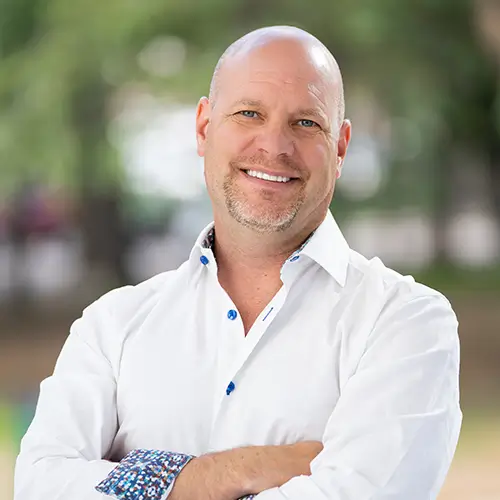
I’m your new host, Jeff Tomlin, and we’re pleased to have Heather Thomson on this episode. Heather is a retail and consumer behavior expert. As the executive director of the Center for Cities and Communities and a partner at 13 Ways Inc. Heather works firsthand with businesses, community organizations, and municipalities to ensure local economies are thriving. Prior to her work with the University of Alberta in 13 Ways, Heather worked at Lululemon Athletica and ATB Financial and started her career with McDonald’s restaurants. She helped dozens of communities and hundreds of businesses across North America and is a sought-after keynote speaker, a successful fundraiser, and looks for opportunity in every situation. Get ready, Conkers, for Heather Thomson, coming up next on this week’s episode of the Conquer Local Podcast.
So, Heather Thomson, welcome to the Conquer Local Podcast. It is such a privilege to have you on this week’s show. How are you doing? I’m doing well. Thank you so much for having me. Inhaling from Edmonton, Alberta. I have a question, a bit of a personal question for you. Are the people of Edmonton feeling a little more positive around the Edmonton Oilers these days? I was hoping you were going to ask that. I thought you were going to say about like pandemic recovery or something. Yes, we are. Confidence is high right now. It’s been a long few years. I, too, am an Euler fan. It’s been a tough couple of decades, hasn’t it?
Yeah. I remember I was a waitress in 2006 when we were in the finals and gosh, it’s so good for the economy. I can’t wrap my head around that. I mean, yeah, it’d be cool for them to win, but from an economic standpoint, it’s just the city turns into a completely different place. I totally imagine. I have to get up there for some playoff hockey. Heather, you are a retail and consumer behavioral expert, and so we went through a little bit of that in the introduction. But for the audience, talk about that a little bit. What does that entail? In a nutshell, what I like to do is I like to look at the data and trends as it relates to how people are spending their time in money. I think I really stumbled into this role before the pandemic because of my retail background, and it was always fascinated by that psychology of where people spend their money, how they spend their money. And then because of the pandemic, it was kind of like a little bit of a like a fast lane to going even deeper into this world. And I think some really fundamental shifts have happened in the last four to five years. And I think it’s fascinating. And
sometimes I can talk about it all day to the point where maybe even my colleagues are like, okay, enough, enough. We don’t need to hear everything about the Bay and why Sears left. So I just I think it’s absolutely fascinating. And I know it’s like when things like the like zealors is happening or when Nordstrom is leaving, it’s always fascinating to me. And I think the cool thing is that people can get maybe a little bit, what’s the word, like a little bit upset sometimes about some of those changes and what’s happening. But it’s the science and the data, like it doesn’t lie. Like you can look at money and you can track it and see where people are spending it.
People get really attached to old brands and as this local market changes, it really impacts people. Like not and I don’t mean just on the in the wallet, but like emotionally too. And they see a long time brand like the Bay Leaf. Yeah, people I think we none of us like change, right? We like what we’re used to. And the Bay’s been part like anyone who’s live today has had a Bay experience. And I think the Bay is an interesting one because they’re trying and they’re trying really hard to be relevant. The question will be as like as we’re going to pick on the Bay. What’s more valuable? Is it the Bay as a brand or is it the real estate that they own?
And so they’re going to have to have a really tricky time over the next three years figuring out what is their identity? Because as we know, distribution based retail or sales at all is suffering. It doesn’t make sense anymore. Consumers can be their own distributor in a lot of ways. So they the idea of like, let’s go to a store to buy a product. And like there’s nothing special about that experience. Those are the businesses that are going under and it’s wild because everyone’s like, Oh, brick and mortar is dying. It’s it’s not actually expanding. There’s just so much space because these massive 180,000 square foot stores are going away. So it just looks like there’s a lot of space and there is a lot of space.
I wouldn’t be really clear about that. But we have to it’s not a matter of retail’s not doing well. And by the way, for our listeners in the United States and internationally, we’re talking about the Hudson’s Bay Company up in Canada here. An awful lot of history around that franchise and that brand. And so a lot of people up here particularly attached to it. So talk a little bit about your role at 13 Ways as well. Sure. Yeah. So I have kind of two different hats in my hat with the 13 Ways incorporated is I am a consumer behavior consultant. So I work with municipalities, typically sizes anywhere from like 5,000 people to about 150,000 people. We work with these municipalities to help identify. I hate to use the word strategic plan. I will pay someone a million bucks to give me another term for it because it just seems so generic. But I work with these communities to deliver a strategic plan. I will say though that when we work with these communities, lots of engagement, lots of assessments and the plan if we do it properly is well under 10 pages.
This isn’t the kind of strategic plan that has the tactical strategy and all that stuff where it makes it like 65 pages. This is like, it’s really meant to be like a best case scenario can be a plan on a page. And we do our best to make sure that it’s a counsel strategic plan because every, not every plan, but a lot of plans we work with in the municipal space. They’re so caught up on like, we need sewers, we need like to run the municipality. And yes, of course, you have a legal obligation to run a municipality. But that’s all these municipalities are all, but a good portion of them are dying. They are losing population.
And so what we try to do is figure out what is your pathway forward to ensure the best services for your current residents. And so you can attract new residents. There’s so many new people coming to Canada every year. And what those new Canadians are looking for a lot of our municipalities, especially the smaller ones, aren’t offering what people are looking for. And it’s not that hard to change a lot of like one of the top five things that people are looking for is beautification. They want a beautiful community to live to. And it’s not necessarily to be on a lake or an ocean or a mountain. There’s a lot of things that we can do in our community. So our hope is that we work with these communities and they can start putting strategic investments to turning their community into a desirable place to live, not a desirable place to necessarily just work. Right. And what’s in the, what’s in the name 13 ways?
So my, so, yeah. So Doug Griffiths was a former minister of municipal affairs and he wrote a book called 13 ways to kill your community. And it’s a, it’s a fascinating book. And where it kind of came from was he, so he was a junior high teacher and he would get his students to like map out how it would look if they ruined their life. So like, if you wanted to ruin your life, what would you do today? And they’d be like, I would skip class, I would do drugs and he would kind of do that. And then when he became a politician, he wrote the world development strategy. And what he realized is that a lot of communities were doing the like things like today to sabotage their success. And so he wrote about it. So he found 13 things like, don’t invest in good water, don’t collaborate, don’t take responsibility, don’t paint, all of these things that communities were consistently doing that he’s visited that were like completely sabotaging their success. So that’s where the name comes from.
Very cool. Thank you. I was wondering what was in the 13 ways? Could it be 14 ways?
It could be 20 million ways. It probably could be. But he wants to, it’s funny because you can do 13 ways with like a whole bunch of different things. I do 13 ways to kill your commerce, which is kind of fun. And yeah, so you can deal with anything 13 ways to kill your kids. It’s a satisfying number of ways. It’s not too many and it’s not too much. No, that’s right.
So tell how did you get into your role as the executive director for the center of cities?
So I, right out of high school, I started working at Lulu Lemon Athletica and I loved it. I was there for 10 years. One of the very beginning employees in the province and it was like bootcamp. I swear, like from like a business perspective, I learned so much, went through a variety of roles in that, in that company. And then it was time to move on. And I was recruited to go work at a bank, which was a really terrible decision. It was, I cried all the time. I just didn’t, I hated it so much. I’m so sorry. And I think it was a good lesson. Yeah, thank you. I think it was a good lesson to learn though, because I’m one of those people where I’m like, you’re just out of your comfort zone, suck it up, get through it. But I think I learned a lesson that there’s a difference between being out of your comfort zone and like learning something new versus a fundamental, like not, like not a good fit. Yeah. It was, it was not a good alignment.
And I quit without another job lined up. And I thankfully was ending up working at the university. And so what I did was I managed a portfolio that was focused on municipal professional development. That’s actually where I met Doug. And so I would create content for municipal administrators. And then at the university, at the school of business, a position came up that was the school of retailing executive director. And so I threw my name in that hat because of my experience with the lemon and the bank. And I was successful. And then we merged two years ago with the real estate school and program. And so now we are one larger entity, which is the center for cities and communities. And people might mistake us for urban planning or social enterprise, but that’s really not our focus. Our focus is within the center is to look at research and curriculum as it relates to building strong business communities. And I think we do look at all the different healthy sort of components of what makes a community great to live in. But there’s a lot that we specialize when it comes to what is the right retail mix? What do we need in terms of new development
to create a nice structure for profitable businesses? And so that’s what the center’s sort of mission is now. I also get to work with a lot of students because we have a student consulting group where we’re working with, we kind of match students with different businesses in the local region to help them digitize or set something up. And it’s been really cool to see. So that’s kind of the whole center. And I am really lucky that this has just evolved into what I am doing now. This is a fascinating space for me because it really impacts people when a local community is growing and thriving versus when it’s a community in decline. And it impacts people’s lives and the way they approach their lives. And it breathes life into everything when there’s growing economic activity and there’s community involvement. So you work with a lot of different communities throughout North America. So talk about some of the practical strategies that are being employed in communities that are thriving and growing.
Hmm. Oh, that’s a good question. So I think when we look at communities that are doing well, I think they’re nailing housing. I think housing is probably one of the very first things I would look at. People think it’s the job market. It’s really not anymore. I mean, it probably was 20 years ago. People are like, well, I’m going to move where the jobs are. People can really work from wherever they like. So if they have a good assortment of housing, I think that’s, and I don’t use the term aggressive, but just like progressive. I’ll use that word around what kind of housing the future is looking for. I think that that’s thing one. I think the other thing is that they’re very careful and strategic with their investments to do something different.
And they’re good at utilizing different grants, especially in the United States. They’re quite good at looking at different ways of funding different initiatives. And I actually don’t know the number, but I’d be very curious to know how many municipalities use tax dollars as operating dollars or if they use like maybe 30% of that is actually grant revenue. So I think it’s quite interesting. And then I’m very biased in this because the research I’m kind of elbow deep in right now is around beautification and beautification and the return on investment as it relates to beautification initiatives. And we’re talking 12 season initiatives.
And so a lot of communities, unfortunately, will look at beautification as a nice to have. They’ll say, oh, well, we’ll get to that later. Oh, well, we have to do this. We have to do that.
I 100% until the day I die will argue that beautification is just as important as your sewer system for the longevity of your community. And so maybe it’s flowers. I actually have a whole podcast on the power of twinkle lights and the psychology around lighting. And these are things that when we look at the successful communities that are growing and have a really amazing culture, a great community atmosphere, these are the ones that are thinking into the future can house different sorts of people. And ultimately, it’s a really beautiful place to live. And those are the fundamental things that I think communities need to be paying attention to. Is it the first thing that gets cut from budgets? For some reason? Yeah, it’s such a big difference.
Everyone wants to walk around a community that makes them smile, right? And it feels to me like the small it’s small things that that add to it, right? Yes, it’s those little things that people you’re right. For some reason, it does get cut from budgets quite often. It takes a lot of coordination. It also takes a lot of education. Because what you might find beautiful and what I find beautiful could look very differently. So that level of engagement with the communities, it’s a tricky balance because you want people to feel heard, and you want their taste to be incorporated. But a lot of the times, everyday residents don’t care enough to really be in the know of like what’s an option. When I was in Detroit, right before the pandemic, we were doing a little bit of a tour just to see when you talk about a city that had to turn it around from nothing like Detroit’s a really good case study, good example. And it was absolutely horrifying when you look because that is a bird city, right? So when you look at like, especially in Canada, we have a really tricky time with building our downtowns in the 50s, 60s, 70s, 80s, 90s, before office work. And Detroit did it very well. I remember
they were once called the Paris of North America. So they had this really rich downtown. And then, of course, as we saw, gosh, 20 years ago now, probably that Detroit just went under, it was absolutely devastating. But what they’ve done from a beautification standpoint in their downtown, it’s not the whole downtown, it’s, I want to be really clear, it’s a very targeted intentional space. But what they’ve done, you would never know that they were such a depressed community. In this area, they have instead of benches, they have swings, like, you know, like granny swings, right? And people were sitting around, they had lots of access to different sorts of transportation. And they had interactive, like, like music, like, you know, like the piano from big, they had that everywhere, like they just did a lot of liven up the space.
And I think that was a very cool example of something that just breeds confidence back into the community. And when something looks good, and we feel confident about it, we’re going to spend our money. And that’s what it comes down to, we like it, we’ll spend our time, we’ll spend our money, because I feel good in this space. Let’s dig into that a little bit. So I’ve been part of a couple of different communities where there’s been a lot of debate going on right now about how we’re making investments, particularly in a downtown core. And I read something in our local paper, it was, oh gosh, it was probably a couple of years ago, but I think about it a lot now.
And this gentleman’s opinion was that cities die from the inside out, if you don’t take care of your core. Like, what about that? Do you agree with that?
I fundamentally agree with that and know that to be true, especially from a data standpoint.
I think when we’re looking at investment and we’re looking, like there’s, like the bulk of our wealth doesn’t necessarily come from internal spending, internal investment. The big wealth is to be found internationally. And so when we’re looking at recruitment and investment attraction, our downtown, whether they’re for a city of 5,000 people or 2 million, they speak to the confidence and the kind of that level of sophistication that a company will need to operate. A downtown isn’t just a place for people to work, it’s a place where money is exchanged. And it really allowed, it’s really that hard, and I hate to use that term. I was like, it’s the heart of the community is people, what does that mean? And it’s like, well, the heart of the community is where people will decide, do I want to live here or not? Even if you choose not to live on the main street downtown kind of districts, it is still a huge part of the culture of the community.
And so that that term of it will die from the inside out is very true. And this is one of the bigger studies that we’re working on currently is because this is a huge red flag. When we look at the health and well-being of our communities, especially in like the northern cities of North America, because they were built during that post World War two time, where it was like at the time it made complete sense, right? Like, I will leave the home and I will go to the work and then I will work downtown and then I will come back to my home and I love that suburb lifestyle. But now we’re stuck with this thing where we don’t have enough internal residential population to make it work. And so as an example here in Edmonton, before the pandemic, we had about 60,000 people downtown Monday to Friday, nine to five.
So that was a good population for people to have a bustling business, do something for lunch, have breakfast, have coffee. You had lots of occupancy on the main streets. Safety was not a concern. Crime was down. You just had physically more humans. But now we’re up to and now everything’s back to normal and using air quotes. We’re up to maybe 11,000. So we’re not even coming close to that 60,000 that we were before the pandemic. And this is having lots of different, I want to say consequences because of that. And safety obviously is a huge one. And I think that’s something that we’re seeing across North America in the downtown course, because there’s just not enough physical humans. We’re talking about safety. And this is, again, my bias coming through. But if we really focus on our businesses and we made our local businesses super successful and thriving, the safety would take care of itself and it really would.
And more people will come back downtown. I mean, obviously, the Silver Bullet is like, let’s get a ton of residential in there. Let’s get a 24-7 population base. But that’s going to take time. So my two interim, I guess I’ll say soon Silver Bullet is lots of beautification investment, but more importantly, business tools. So people feel like they can open a great business and be profitable and be safe. And I think that’s the big ticket that we have to be looking at for the next five years. You know, I think this is a topic that everybody’s interested in, because everybody lives in some sort of community and they all go through different periods of growth and sort of slow decline and then growth again. So you put together community plans and do community planning. Talk a little bit about the planning process.
It’s so hard.
Seems like a piece of cake. Hey, just get everyone on the same page and slap it down and say, there you go. There’s your plan.
You know, it’s so funny though. Oh my gosh, you’re hitting on something that’s so interesting. Like, there are some communities where I want to go in and I could write the plan for them in like an hour. Okay, I’m exaggerating. I’m oversimplifying it, but it’s kind of that yeah, like more cooks in the kitchen. It actually makes for like a really tricky process. And if you’re doing a plan for a company, you have a few stakeholders. I’m not like depending on the company, it’s a little bit more simple. But when you’re working with the community, the planning process is tricky because the engagement process is so tricky and delicate. And what we want to make sure we’re doing is we need to give opportunity to whomever it is in the community that they have a conversation with us in some way shape or form or that they get their that we hear what they’re saying.
So that’s the general resident population. We also want to make sure we’re taking care of like what we call like the negative mellies. Some of those toxic people that if you look on Facebook about something about a resident, like they’re just blowing it up like, oh, we have new stoplights. Well, how much did that cost? Blah, blah, blah, like they’re they’re just in the weeds. So we we do what we can to really take care of those people. But then the the gap sometimes between administration for running municipality and council and Chamber of Commerce and economic development, there’s so many really important stakeholder groups that need to move a community forward in a collaborative way.
Getting them on board is act like that sort of if you kind of have, you know, four or five different stakeholders, getting them to a cohesive vision is the hardest part. And so when we say we get our plans down to under 10 pages, best case scenario, we get them down to two. What would that take? That would take five minutes to write up. That’s not the hard part. It’s the agreement. It’s the concessions because communities don’t have endless amounts of time, resources or money. And we really want them to think through what that large kind of Marlin is versus the trout. And it that’s what takes six months sometimes. And everybody wants to make sure they’re heard. And I’ve seen it go the other way where, you know, we like a consultant won’t go in, do an afternoon strategic session or whatever and then put together a strategic plan. And people are really unhappy with it because they don’t feel like they were part of it. I couldn’t imagine managing the process. It feels like it would be like herding cats. And I’m not I’m not good with one cat little on a herd.
But I couldn’t imagine what you have to overcome sometimes because some of the cooks in that kitchen have really, really strong opinions about how something should be cooked. And they’re not professionals. Right. I hate to say it, but it’s funny because they’re like, Oh, well, I’m mayor. And it’s like, so you won a popularity contest. You were not a professional, like you are you didn’t, you’re not an engineer. And some of them are like, some elected officials are like, I can’t wait to be elected official. So I can finally decide what roads are going to be paved when and it’s like, you shouldn’t ever think about what roads are going to be paved when that is not your job, like literally get that out of your head.
But so many of them, like, I we like to call it like stay in your lane. Because as if you if you want to be like an engineer and like manage the roads, then go apply for that job. Don’t be a counselor. Because what you hit, like what you’re saying is so true. It’s so tricky just to get everybody engaged, but also like slow your role, know what you what you’re supposed to do here. And dropping a big truth bomb on them probably doesn’t go over all that well too. So probably takes a little massaging. It’s kind of fun. It does. And that’s the thing. So you know what, actually, it’s so funny you should say that because in a lot of our communities, we’ll go in and we’re like, let’s go for dinner. And they’re like, Hey, right, when are we starting? I’m like, we’re starting. Like we play games, like this is it, like because I need to get on a better relationship with you before I can tell you that what you’re doing doesn’t make sense. I couldn’t imagine it. Thinking about it now and hearing you describe it, it sounds like it. So as we started talking, this is one of the most fascinating fields. And I feel like it must be one of the most difficult things to get the outcome that you
want. But so but you guys are quite successful at creating community plans and and seeing communities grow and prosper. Is there a secret ingredient in the process over and above just getting people on the working toward the same sort of vision? That was a good question. I think for me, the big thing when we’re delivering the strategic plan is giving them resources available to make it happen because it’s one thing for us to say, here’s the plan. But if we’re not clear on who’s doing what, how much it’ll cost.
Because like, for example, some of our strategic plans, like, yeah, we want to do these events, and we want this to happen. And yeah, we want to have a business incubator and all those things. And it’s like, okay, well, your economic development officer is completely tapped out. You don’t have like, we have to think about how that’s going to happen. And that’s not necessarily our role to like, plan that out for them. But at least the administrator can hear the council say, yes, we will allocate $80,000 for resources for that to happen. I think that’s something that I like to see. Because otherwise, a lot of these initiatives, they sound great.
Every time we’re together, it’s inspiring, we all leave like, yeah, it’s going to happen. But then, you know, Monday morning rolls around, and we’re all kind of sluggish and it’s, why did I say yes to this? No one’s here to do it. So we want to make sure that the big things that we’re talking about have a resource to go with it, whether it’s a human or financial. Otherwise, what was the point of even talking about it? So shift gears just a tiny bit. So clearly, a local community, all the economic activity that’s happening around it has a huge impact on the direction of growth that the community is going to take. Consumer behavior has been changing dramatically over the last little, especially since the pandemic. So question, what have you observed since the pandemic?
What do you see that going over the next, say, five to even 10 years? And how do you think that that’s going to impact your communities or make the community development process and planning more challenging? Oh my gosh. Like, if I could wave a magic wand for our local communities, I would want them to be competitive with, like, just saying, well, I’ve been in business for this long, or I’ve existed for this long. If I never have to hear that again, I will be so happy. Because I think what we’re doing is we have a mentality for building resources that we needed five years ago, not what we’re going to need in 50 years. And that, you know, to use that really cheesy hockey, like, skate where the puck’s going to be, I think is the best way to look at it. Because if we are paying attention to those trends, let’s talk about technology for a minute. We’re talking about those consumer trends. The way we are consuming knowledge as purchases is really interesting. So let’s talk about the metaverse. Like, people can kind of laugh at the metaverse. You can laugh while you want, but it’s here and people are going to be shopping on the metaverse. It’s really cool. And I would think that
communities that are successful are going to be the ones that are paying attention to these trends. And I even hate to use the word trends because it doesn’t sound as serious as it is, but let’s look at AI. AI is changing everything. I just heard, or I was just reading an article the other day that said the chat GPT and open AI is as fundamental for human history as it was the discovery of fire. And so for us to not, isn’t that wild? Like, I mean, who knows? Maybe it’s not. But that’s wild to think about. And I could imagine it being that fundamental a change.
Yeah. And so for us to be like, well, let’s play small and let’s not, let’s do what we’ve always done. Your business or your community, you will go under. We as consumers have nothing but options. We are almost spoiled as humans in a lot of ways. And as businesses and community leaders, we can’t be grumpy about that. We can’t say, well, you have a loyalty, you have a responsibility like no, no one has a loyalty or responsibility to do anything except what they want to do. And so, but the cool part is, is that as communities and businesses, we have nothing but opportunity to rise to that level. We can do it. It just takes a lot of collaboration. And I think this is probably one of the stickier points around economic development is that there isn’t enough resources to go around to really do what we need to do when we are so siloed. We need to pool resources, we need to pool talent and make those really bold choices. And from a business perspective, I completely understand and appreciate how financially this is really hard to make those shifts. And I’m not saying everything needs to be done now. But there’s so many things that
businesses can do to help create new channels for customers to experience them. And I think that, you know, even you guys are a great resource in terms of like, how can I capitalize on this? How can I find more customers? Because that’s what the magic is going to happen. These tools here are not meant to bowl us over. They’re here to make us better. They’re here to make businesses more profitable. And if we just stand by the sidelines and say, Oh my gosh, this is too overwhelming. I’m scared. Like, that’s where we’re going to lose. So let’s kind of dive into it, learn about it, and then let’s use the heck out of it. You know, one of the things that makes me feel so positive about the future and our ability to adapt is watching that how quickly some businesses, local businesses fundamentally change during the pandemic and how they reacted and they involved and they were able to change your business practices and not a lot of them not only survive, but actually learn how to thrive in a completely different environment, things like curbside pickup. And they really changed the way that they were interacting with their consumers. It makes me think that
thinking down the road of adapting to people buying on a place like the Metaverse, you can do that and get there. It’s one of the things that really motivates us is that local businesses are sort of the foundation of our communities. They’re the ones that sponsored our first Little League ball team and support our charities, provide our first jobs, and we’re all invested in seeing that they survive and thrive and that we’ve got a community with a growing economic environment. That’s the thing. When we actually look at the data of what consumers are wanting, and this crosses all demographics, they want an amazing customer service and they want an authentic experience. So whether you are a brand new baby, maybe not a brand new baby, or a million years old, you like that. And this is where our local retailers and businesses are going to do very well. And so your point is like adapting and constantly changing. It has never been harder to be in business than it is today. It is, you’re never catching your breath.
I think about most businesses, but even in particular restaurants, you had shutdown, you had hiring, you don’t have any staff, there’s labor pull issues. Oh great, now we’re in crazy inflation and food is a million dollars way more than it was a few months ago. So I completely appreciate how hard it is. I think the big thing here and what I would recommend is that we need to breed in some sort of motivation into our day to day as business owners. Otherwise, the fatigue will just wear you down. So it’s like, how is this exciting? How can I be inspired about making this shift? How can I learn here? The other cool thing about the pandemic is that so much scalability happened and so many businesses were able to, well, were created to respond to this, to this need of businesses being adaptable and changing.
And I think that we are actually, I, Heather’s hot take here, so like no science in this.
I actually think the worst is behind us. I think we are finally at a point where we have been so reactive and so quick to just get ourselves through the last four years. I actually think that the worst is behind us and I think we kind of can use that momentum to actually really build something that’s going to last. And I think we’re going to start to see more businesses pop up, more successful local businesses because they have been paying attention and they have had the education to really do something with their business. Heather, I share your optimism and I like that. And we have to. We’ve got, I think we’ve got no choice because I get a, although every once in a blue moon, I like ordering something on Amazon and having it just shipped to my door.
And a much bigger smile on my face and a lift in my day when I drop into someplace locally and I have an interaction because we get that. And that’s one thing that I, you know, I took away from the pandemic. People need, we need face to face interaction. And if anybody’s ever doubting that Christmas, right? Like we look at foot traffic at Christmas time, it’s always growing far faster than online shopping. The other thing to pay attention to and they’re still quite young, but Gen Z’s, Gen Z’s prefer to shop in person versus online. So this is something, again, we paying attention to what those younger demographics are going to, how they’re going to be spending their time and money is a really strategic step because what you were saying about that community connection is really resounding in Gen Z more so than any other generation at this time. Heather, this is fascinating stuff. If someone was to get into a career in community development, what do they do? Yeah. How did you get to where you’re at? Like, what’s the path? Oh my gosh, that’s a really good question.
I think everyone, like if you’re really young in your career, really, I think everyone should have a service-based job at one point or another. Oh, I totally agree with you. Retail, right? I totally agree with you. It’s actually also fun. I actually, so I worked at McDonald’s in high school and I worked like three hours a month, like it was something completely sad. But I learned a lot and I actually love my time there. I’ve done bartending, I’ve been, I’ve been a waitress, I’ve worked lots of retail and the reason why that service-based mentality is that it’s the quickest way to learn how to work as a team and I think that that ability to collaborate and see different points of view and ultimately customers, people are kind of weird. Like general people can be kind of weird and learning how to deal with that.
And you have to know how to deal with people of all different types. It’s a skill and I think when people learn that earlier on, it serves them so well no matter what type of field that they go into. You learn how to deal with people. Yeah. And that’s the thing like you, and like because you grow up and you see a lot of people who are like yourself. So learning and it like, it comes with the good and the bad, absolutely. And then I think the big thing, depending on what kind of level of community building you want to be involved in, if you want to be an elected official, depending on whether it’s municipal, provincial, or sorry, or I would say state for American friends, or federally, I think volunteering is going to be your fastest way there. So you volunteer for events. You volunteer to doorknock. You volunteer your time as much as you possibly can. And if you wanted to go more into the running of things, I would say definitely have a specialty. If you want to be in economic development, a business degree is always a great way to go. And some education around that is really important. But I also think that having those experiences, whether it’s like I said,
that service based job, traveling, volunteering, those are the things that are really going to speak to what you can do for a community. And I think there’s the cool thing about working in a community building capacity. They’re everyone in their own way as a community builder, even if you don’t want to be, you are, you do contribute to that, to that setting. And I think depending on what you want to do, there’s going to be your role for you, especially as we head into the next decade. So I would say volunteer, make friends, and always be willing to roll up your head, roll up your sleeves and just let in ahead. Heather, it has been an absolute honor and privilege to be able to chat with you. Thank you for taking so much time out of your very busy schedule, I imagine, what you have. And chatting here today with us on the Concord Local podcast.
People want to follow up with you and they have so many questions. How do they get a hold of you?
Email. Email is probably the best way. I’ll give the email address that’s easy. So my email is Heather at 13, so the number 13, ways.ca. Or you can find me on LinkedIn. Heather, it was a pleasure chatting with you. And I wish you all the best. And hope that you come back on the show again soon sometime. Anytime. Thank you so much for having me.
Always a pleasure speaking with Heather Thompson. A few takeaways to note, that our community development work emphasizes the importance of a strategic plan to attract and retain residents and municipalities. Key components of this plan include beautification, access to affordable housing, and a thriving business community. To achieve these goals, it’s important to work with stakeholders and develop a cohesive vision that addresses negative factors such as declining population. This process may include creating economic incentives, offering resources to businesses, and hosting community events to engage residents.
For our listeners interested in pursuing a career in community development, it requires a combination of volunteer work, education, and networking. To succeed in this field, having a specialty in a particular area such as economic development or event planning, it goes a long way. It’s also critical to be able to build strong relationships with stakeholders and community members. By volunteering time and energy and aspiring community developers can gain valuable experience and demonstrate their commitments to improving the communities they serve. If you’ve enjoyed Heather’s episode discussing community development and economic prosperity, keep the conversation going and revisit some of our older episodes from the archives. Check out Episode 338 SMB Best Practices for Going Back to Business with Todd Rowe or Episode 334 Customer Journey with Asan Muhammad, or Episode 337 Building a Cooperative in Retail with Lindsay Gaskins.
Until next time, I’m Jeff Tomlin. Get out there and be awesome.
I’m Jeff Tomlin. Get out there and be awesome.
 Apple Podcasts
 Spotify
 YouTube