About Us
 Careers
 Leadership
 Board
 Newsroom
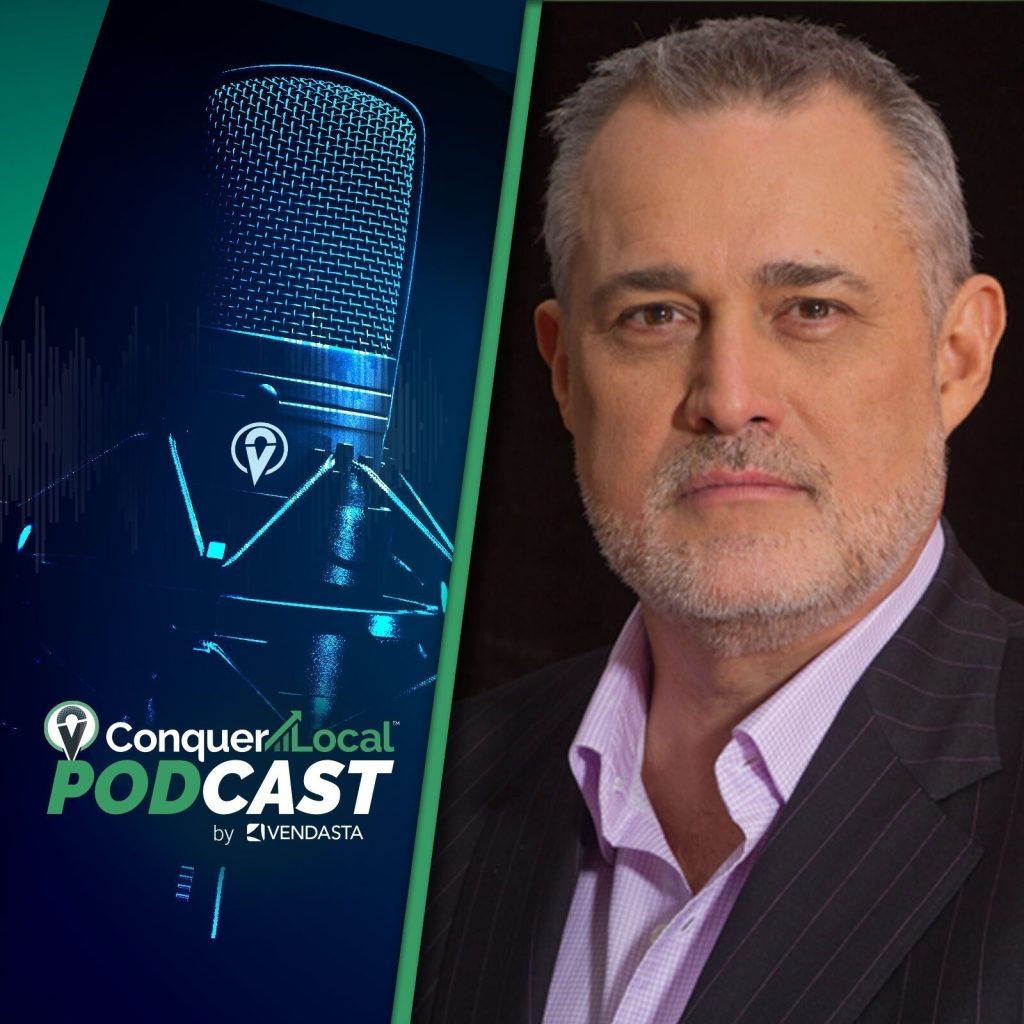
Tune in to our latest episode and welcome Jeffrey Hayzlett, a global business celebrity, best-selling author, and the Chairman and Founder of C-Suite Network. As a primetime television host, he is well-known for hosting shows such as C-Suite with Jeffrey Hayzlett and Executive Perspectives on C-Suite TV. He also hosts a business podcast called All Business with Jeffrey Hayzlett on C-Suite Radio.
With extensive experience, Jeffrey led one of the largest corporate turnarounds as the Chief Marketing Officer of Eastman Kodak. During his tenure, he successfully reinvented the brand and embraced new media, establishing himself as a business trend-setter and an early adopter of digital marketing and social media.
Jeffrey’s mission is to help businesses transform themselves, which is reflected in his best-selling book, The Mirror Test. In addition to his role at C-Suite Network, he serves on numerous corporate boards and is renowned as a public speaker and author of multiple business books. He is actively driving the growth of C-Suite Network and its entities, including C-Suite Radio, the fastest-growing network for business podcasts.
Transcript
Conquer Local. It’s really a breath of fresh air. Good times. I help leaders go from anxiety to authority under pressure. And then let’s go and get it. It’s an ecosystem. The hardest part here is going to be getting me to shut up on this one. Conquer Local with Vendasta, hosted by Jeff Tomlin. Welcome to the Conquer Local Podcast. Our show features successful sales leaders, marketers, thought leaders, and entrepreneurs who will inspire you with their success stories. Each episode is packed with practical strategies as our guests share their secrets to achieving their dreams. Listen in and learn the highlights of their remarkable accomplishments and get the tips to revamp, rework, and reimagine your business.
Whether you’re a small business owner, marketer, or aspiring entrepreneur, the Conquer Local Podcast is your ultimate guide to dominating your local market. Tune in now and take your business to the next level. I’m Jeff Tomlin, and on this episode, we have a special treat. We’re pleased to welcome Jeffrey Hazelit. I’m excited about this conversation because I’ve known Jeffrey for a while. I’ve seen him speak, read his books, and follow his shows. He’s a wealth of knowledge, he’s a super interesting guy, and a really entertaining dude. Jeffrey Hazelit is a global business celebrity, prime-time television host, and best-selling author, and chairman and founder of the C-suite network.
He’s recognized for leading one of the largest corporate turnarounds as the chief marketing officer of Eastman Kodak, where he helped reinvent the brand, embrace new media. Hazelit’s mission is to help businesses transform and adapt to change, as emphasized in his best-selling book, The Mirror Test. With an extensive background in business, he serves on multiple corporate boards, is a sought-after public speaker. He’s authored four successful business books, including Think Big Act Bigger, Running the Gauntlet, The Mirror Test, and his most recent book, The Hero Factor. Currently, Jeff is focused on the growth of the C-suite network, which includes the C-suite radio, the fastest-growing network for business podcasts.
Through his various roles and endeavors, he’s constantly seeking new opportunities and innovating solutions to overcome obstacles and drive success. Get ready, Conkers, for Jeffrey Hazelit coming up next on this week’s episode of The Conker Local Podcast. Jeffrey Hazelit, it is an absolute pleasure to have you on the Conker Local Podcast. And just, by the way, let me go through this. Radio host, TV host, podcast host, author, celebrity CMO, entrepreneur, author, speaker. You’re kind of a big deal. And dare I say? Well, I don’t know about it. Bigger than necessary, some people might. I was just going to say maybe a little bigger than necessary. That’s always been my life.
The first time I met my wife’s great-grandmother, she looked up at me and she looked at my wife who’s small and petite, 5’1″, 105 pounds. Grandma Agnes is like 4’9″, in 80 pounds. And I’m 6’3″, 207. Looked up at me, turned back to Tammy and said, isn’t he bigger than necessary? And that’s been my life ever since then. I love that story. I always think about that. It makes me laugh. We were working with you some time ago. And you took a cell for dinner. I think it was the name of the restaurant was Ben and Jax. Oh, sure. Yeah, Ben and Jax, the staple in New York City. Some of the guys used to work over Peter Luever’s left there. Started their own, as Wolfgang’s and a whole host of New York Steak Houses.
But one of the best Steak Houses in all of New York City. Well, I remember you ordered the appetizers, and I got a big slab of bacon. And I said, this is a man after my own heart. I got a little tear in my eye. That’s some good bacon. That’s not your female bacon. Not to knock any Canadian bacon. But this is American thick cut bacon, and it comes. And it’s almost a meal. It’s almost a meal. I never had anything like it in my life. And a big slab of bacon is an appetizer. It was pretty impressive. Jeff, I had first met you. And I would have put this back. Maybe it was 2011-ish or so. And you were speaking at a conference at the time. And you’d come out with the mirror test, your first book.
And you were speaking at a conference. It was one of the first times I’d heard you speak. And then fast forward over all these years, you built an amazing personal brand. A lot of us, when we started a company, we don’t have a lot of things figured out off the bat. We do a lot of pivots. And you can see the pivots. And you look back over time. And I look back on it, it seems like you had a plan. And so what was the plan back there? Because you built an amazing personal brand. And then amazing business network through that. What was the plan back then? Back when I was the chief marketing officer of a Fortune 100 company, I realized the power of media.
And the role that it was going to play as we move forward. Because content’s the king. Content is the way to do it. You got to have content. Even if you’re a dry queen or in St. Louis or Saskatoon, you’ve got to become known as the doctor of spot so that people can find you. And so building content. And I said to the team, let’s go out and build this celebrity version of global business celebrity. And someone said, what is that? And I said, whatever the heck we say it is. And then let’s build a community around it. Because if you have content, then build community. That’s what it does. Content drives your community. And then community drives your commerce.
And we’ll figure out the extensions of that. And we knew that media was going to be a big part of it. And we knew that there needed to be a trusted network. Hence the name C-suite network. And we wanted to be focused in on business because that’s where the money is. And so we went with that. Doesn’t mean that it’s always going to be that way. Doesn’t mean the way that you start your plan doesn’t have failures. Because everybody always says, as you well know, as an entrepreneur yourself, fail fast. Well, I think that’s bullshit. You need to succeed fast. Because you’re going to make lots of failures as you go. We tried lots of different things, put a lot of money into it.
And finally found the formulas. And then we keep tweaking those formulas every single day. Because what worked yesterday doesn’t work tomorrow. And we know that through COVID, days became weeks. Weeks became months. And months became years. And so the speed of which you’ve got to adapt, you either change or you die. And that’s really truly what’s facing most businesses today. Yeah. One of the things that stuck with me, by the way, all the way from back then, and it was from the first time that I heard you speak, was some of the things that you talked about with brand. And I’ve heard a couple of quotes in my life. And I didn’t consider myself a brand marketer, necessarily.
I started with demand generation. And so that wasn’t the muscle that I was necessarily flexing. Had to learn it over the years. And it was a challenge with Vendasta. Because when we started out, we were a white label company. And building a brand around that was challenging. But one of our chairman said to me at one point in time that a brand is nothing more than a shortcut for decision making for people, how to interact with you. And the other quote that stuck with me was something that you said in the first talk. He said that a brand is nothing more than a promise delivered. And you had some amazing stories. From your days at Kodak understanding how to build a brand and challenges and pitfalls that you can have when you veer away from that.
And I’m wondering if maybe you can talk a little bit about that. Yeah, I mean, this is a great example. No matter where I’m at when I’m doing television, a lot of times I’m in a remote area, sometimes where I’ve got to connect in with satellite or fiber. And I’ve got an earpiece in waiting to go on Live on Fox or Live on Bloomberg where I used to host my show. And I get to talk to somebody thousands of miles away using another guest that’s going to be on. And everybody always asks the same question around the brand, around Kodak, what happened? Why did they go bankrupt? And I said they didn’t go bankrupt back in 19… They didn’t go bankrupt back a few years ago.
They went bankrupt back in 1975. Because they had somebody who was sitting in a room who invented the new digital camera and they turned it down. I mean, you got to think about this as a brand, as a promise delivered. They had the only product that people would actually run back into a burning building to save. I mean, that’s true. And today, if your house was on fire, what would you want to save? It’s all of those photographs, those memories, those Kodak moments. Well, they forgot what they were about. And so they were always… They used to say, hey, we’re in the business of film. They were never in the business of film. They were in the business of emotional technology.
They would make, manage, and move images and information. And so they lost connection with that. And so they drove that film brand all the way in and skipped and missed all the other opportunities that you can. They didn’t adapt. They didn’t change. And when you don’t adapt and change, you die. And that’s exactly what happened. So that you have to keep connecting of what is the core piece of the elements, the DNA of that brand, you know? As your chairman said so eloquently, it’s that connection that shortens the connection. Because if people identify with you, if they get with you, they get your content, they get who you are, then they want to be part of that community.
And of course, they want to do business with you. And so that’s important for everybody. So everybody, today, and I said earlier to you, if you’re a dry cleaner, you have to build content. You have to build a brand so that people know what it is that you really do. And it can’t just be the name. It can’t just be the logo. It’s got to be the essence, the feeling of who you are and the essence of who you are. You know, the words that he had stuck with us, and it’s been really helpful and, you know, us as we’ve sort of been trying to navigate, you know, what is our brand promise and what, you know, what is the real essence of our brand. And so it’s been helpful.
And you have built a number of brands now and, you know, a huge personal brand. You built the C-suite network. Maybe you can tell a little bit about the story of the founding of the C-suite network. And what were you setting out to do? It’s funny. Well, I had this show called the C-suite but Jeffrey isn’t on Bloomberg. Primetime television show, you know, number one show, both in viewers and gross dollars and everything else. I loved it because I owned it as well. So not only was I the host and, you know, a commentator and anchor on a major network, I was, you know, I owned my own show, which was great, which now has gone on to a media platform that we’ve created.
And the night before we were to launch, we were going to launch this thing called the CEO Network. And then I turned to my team and said, why are we saying the CEO Network? Why don’t we say C-suite? Why don’t we go after every officer in the C-suite? Not just the CEO. And because we were thinking about competing with Vistage and some of the other groups are out there. And so that night we went online and lo and behold, the URL was still open, C-suite Network, we could do it. So we called the ad agency, changed the logo when we launched it with the thought of creating a trusted network for C-suite executives. So being a C-suite executive of a multi-billion dollar company, running a budget of 70 billion dollars just on marketing and advertising, you know, it’s a pretty long place.
And no matter, you take all the zeros away, whether you’re on Main Street or Wall Street, being a C-suite executive of any office that you have to occupy is a pretty long place. And so you needed a trusted place for people to come together. And that’s how we got started. And so now we use that to be able to, you know, to help people accelerate a hyper-scale of businesses by providing a platform for them to be able to do it, to come to share, to learn and share with one another. And so we have, you know, we used to have all of these meetings pre-COVID, face to face, over 100 some meetings. And now we have over 300, 400 meetings a year, online and face to face for people to come together.
And we’ve created, you know, extensions. We’ve created products to sell like C-suite loans, C-suite legal, you’re about to launch C-suite virtual services so that you can outsource most of your things, C-suite bookkeeping. You know, I’m even going to come up with C-suite Cologne, the smell of success, right? So we’re going to do that as well, right? Yeah. And so, and now we have C-suite radio, which is a podcast network, C-suite TV, a television network. We have C-suite book club. So we have over 119 properties as we expand, but we had the vision of creating a community that content would drive community. You keep hearing me say this. It’s like, Henry Kissinger showing up for a press conference in the 70s saying, what questions do you have for my answers, right?
So, and with me, as you well know, you put the quarter in, you’re going to go for the full ride. So, you know, it’s all about driving that. And we’ve seen the value of how you create content and then how you do that. And you guys have done a great job. I’ve watched you from the time in which I met you in Saskatoon at one time when I was on a board for another company, came down the street met with you guys. And I think you had about that time, maybe nine employees altogether, as I recall. It wasn’t a heavy, heavy, okay. Yeah, weren’t too many. You guys were all in one room and then we occupied a little conference room. And now look and see what you guys have done and what you’re doing for local businesses is absolutely amazing.
And also the changes that you’ve made because what you did back then, you don’t do the same way, although the core elements are still there against delivery of the brand. And I just think it’s wonderful to watch businesses change and adapt and make those things happen and watch you guys pivot a couple of times, right? But good basketball players, good basketball players pivot. They do. They’re the best, they know Larry Bird, they pivot. Larry John, well, Magic John. See, if you ask me about executives, I can tell you. Sports people, I don’t know, I don’t know any of them. But if you ask me the CEO or CMO or whatever I can tell you though. You know, you make a good point as if there’s one thing that we’ve learned is as you go through different iterations of your company and different sizes, you have to learn how to change the way that you do things.
So it seems like you’re always constantly adapting. But having networks is amazing to have sounding boards.
People that have been there and done what you’re trying to do and already been places where you’re trying to go because you can’t be, you don’t have time to reinvent the wheel, do you? You know? That’s exactly right. And you’ve got to know that, you know, because in today’s digital world, I can look at a website, I can look at other things. They look like a billion bucks, but you have to deal, you know, peel behind the digital curtain and really know who those are. And so that’s why a trusted network is so critical so that you can say, hey, you know this person, can you tell me about their services? Can you do this and do that? Now you can do some of that with some, you know, digital checks and balances out there.
But when you’re in a C-suite and you’re a billion dollars or, you know, 10 million dollars or whatever, and you’re about to write a sizeable check. And by the way, they’re all sizable. It’s just the numbers of zeros. And that’s what you do. You learn as you go, that you go from one pond to a bigger pond to a bigger pond to an ocean, to a bigger ocean and so forth. So it’s important for you to be able to do that and have those opportunities and know that you can count on other people to make that happen. And by the way, we learn as we go. We, you know, we adapt. I was doing an interview yesterday that, you know, they said, how did you know that? And I said, well, I knew it right away when I was younger that I could do this.
Then I learned that I was good in South Dakota or I was good in Sioux Falls, then I was really good in Minneapolis County and I was really good in the state. Then I can take this to Iowa. And then I moved across the nation. Then I figured out, you know what, I can do this across the world. And the more that I figured out that, that’s, I mean, that’s how you would change. That’s how you adapt. You know, and we’ll always be constantly learning, you know, no matter how big we get. Still, I’m still learning, still making mistakes and telling stories. You know, one of them, by the way, one of the things I wanted to ask you about, you know, all great organizations like the C-suite are value-driven organizations.
And you talk about the four Rs. And maybe talk a little bit about how, you know, you use that to build community. Well, you know, for us, it’s about relevancy, reach and reciprocity. And so in network, that’s the way it is. That we, you know, that we know each other, that we can talk the same language, that we can do business together. And obviously about how we can reach our reach, you help me, I help you, and that’s the reciprocity. And we found that one of the most important things to add, and we added this over COVID, was respect. Because as you know, on the political side of the world, right today, whether you’re in Canada or the US or in other places in the world, the respect has gone out the window.
And we have to bring it back to a more civil time. And a way in which it says, hey, I’m okay. If you believe this or believe this, or you don’t want to open on Sundays, or you want to sell liquor, or you want to do these things, but we need to have respect for each other. And that’s a big part of it. So, you know, it’s a, you know, we’re not there to change your opinions, you know? We’re just there to help everybody understand each other a little bit better. And we have some programs that do that, whether it’s a Scott Sunday evening, you get together and drink scotch or our celebrates on Friday, where you can come together on Friday, just like you did pre-COVID and you would go to a bar, maybe your pub and have one with your friends because you had a great week and they slapped you on the back or gave you a high five, or maybe you need a hug because it’s been a real rough week.
And I need somebody’s shoulder to cry on because we have those two, or someone to talk to those trusted networks, you know? Because again, it’s important for you to have that. And why? Because, well, today, as you know, there’s 19-year-olds out there being life coaches. At 19, you’re not a life coach, you’re a teen coach. Let me be very clear, okay? So you need to know that you can have people that you can trust. And so that’s why relevancy reach, you know, reciprocity to learn that, you know, everything that we do for each other, you do for me, I do for you, we gain. So when you show up with a giving mentality, and then that’s how we gain respect with each other as well.
And by the way, it never ceases to amaze me the ability of Scotch to bring people together. Always lying. Hey, Scotch is a great bacon and Scotch. You can, by the way, I’m pretty sure it had been in Jack’s, we had some Scotch too. I’m pretty sure. Because I always used to hold Scotch events there. Yeah. I used to hold a lot of Scotch events. Scotch tasting for Gwen Finch. So I did a lot of those for them. No, I think we’re onto something there. Bacon and Scotch.
Hey, tell me something. Our nutritionist says we’re onto something. That’s for sure, yeah. You know, and so by the way, you guys, so as we’ve gone through this pandemic, you’re doing live events now and you’re also doing online events more and more. So, you know, talk a little bit about, you know, how you’re using both to build the season out today and maybe how it’s changing. Some people, yeah, it has changed without question. You know, we’re starting to see the live events really come back a great deal. Although people love the convenience of the digital side. I mean, come on. You know, we podcast three years ago wouldn’t be done this way for most of them when they were done in the studio.
You know, that’s how I did them in New York. My guests came in, whether it was Damon, John, Gene Simmons, you know, whoever it might be. You know, Pierce Morgan, I can go on right down the list. We did those face to face. Well, now you find out that, you know, with Zoom and Teams and all these different tools, the convenience of this is that we can do it and we did it. And it didn’t take away from the experience. You just have to be better communicators, be better. Of course, I think the most, you know, used phrase in America today isn’t hello. It’s, hey, your mic’s on mute, your mic’s on mute. I think that’s the biggest one that we hear. We don’t even hear a hello, you know?
So, but you can do it. And we’re starting, you have to find the mix. In fact, we’re doing some big events in Dallas. We have a very big community in Dallas, C-suite executives, and they like to get face to face. But if you’ve ever driven in Dallas traffic, you know, it’s an hour and a half from somebody up north to get to downtown. So they’re not gonna wanna spend an hour and a half to get down there and an hour and a half back so they want something virtual. So then we do a virtual meeting in the morning or even some of the programs we might do, we might have a speaker at an event with 300, 400 people, but yet we’ll broadcast that and live stream it to anyone else that come.
And now before that, you would have said, no, no, we have to have them there. We have to get them into the funnel. We have to be able to know who they are so we can sell to them or to visit with them and so forth. Well, there’s great tools for that now. And my thing is, is just get out there as much as you possibly can. Something like somebody’s gonna see you. There’s a pony in there somewhere. So do as much of that as you possibly can. It has changed, without question, that stage has changed. And by the way, you’re talking about podcasts there. We’ve unlocked a lot of unique opportunities doing our own podcast. You’ve got over 400 episodes on yours.
If you’re talking to, whether it’s a Fortune 500 or whether you’re talking to a startup, why should a company have a podcast these days? You’ve had a lot of success. Yeah, actually I think I have over 600 episodes on my show but over 450 total shows with over 50,000 episodes on our platform. Listen, again, I said this before, it’s content, content, content.
Content is the king. Activation is the queen and context is the kingdom. So that’s the name of the game. That’s what you have to be able to do. And you have to be able to tell your story. You can’t just count on Google ads for me to deliver for you because someone can outbid you. In fact, there’s other speakers out there that buy my name because they wanna get in front of me for keynote when somebody might be looking for me. So you have to build that content which is organic. A podcast is a great way to be able to do that. Either as a video and or audio. We know that the average business person listens to five episodes, five episodes a week or excuse me, five different shows a week, six different episodes and maybe up to eight sometimes depending on the seasonality of it.
And they’re doing it while they’re traveling to work while they’re on the train. We find that most of them are doing it while they’re working out. Why we can track what devices they’re listening to, how often they listen, what’s the perfect amount of time. We know that the average business podcast is between 21 and 24 minutes on average. And I can tell you what the consumer ones are. I mean, it’s just a great medium. And we’re only in the empathy of this thing. There are gonna be millions and millions and millions of more podcasts. The key is once you do it, stick with it. Like most things in marketing, like most things in business, like most diets, right?
Is once you decide to do it, stick with it. And cause most people abandon their podcasts before 10 episodes. You know, I hear what you’re saying about the importance of someone getting out there and telling their story. And actually, I mean, you wrap up the mirror test here talking about, hey, get out there and sell. No one’s gonna go and do it for you. And so sometimes people lose their physical stage and so you talk a little bit about advice and what to do when you lose your physical stage. And so podcasts is one of them. Maybe you can talk about it. Yeah, get over here. First of all, I said, get over yourself. Yeah, get over yourself. I mean, can you tell a personality type without having to look at it?
Yes, you can see how people write, how they talk, the way they talk, how they interact, what they do, what’s on their wall, what’s in their office. There’s lots of different signs. And you don’t have to just do it from a stage. You don’t have to just sell from a stage. You don’t have to just be a speaker from a stage. If I can’t convey my message or my stories and the learnings from my stories as a speaker, with you seeing me here, as opposed to just being on stage, I must not be very good. So do better, practice, right? Find different ways to be able to do it. It requires some of those things. I mean, the fact that I can see a room of 1,800 people and scroll through or put a lot of different screens up and watch the audiences I’m speaking, some of them are eating their lunch or whatever.
Yeah, some of that bother you, but you got to push through those kinds of things, right? And I was doing virtual keynotes, but well before COVID because I found out I could do a speech here and speak in Australia. I don’t have to fly to Australia and still get paid a lot of money, right? So I found out different ways to do it. But even back then, like 10 years ago, I’d set up a camera to watch the audience so I could see that on another screen and say, hey, you, lady in the red, pay attention to this. You could do some different things and have some fun, but you should be able to convey your message and you guys do this, you know this in different ways to the service that you have.
But in this visual, in this visual representation, I should be able to connect directly with you in a way that’s compelling so that you get what I’m talking about. And if I’m not, I better get good at it because this ain’t going away. You know, I like what you said about, hey, get over it and get out there. Well, you know, one of the things held me back from doing more videos and more video content, couldn’t stand to hear my voice on a recording, right? And everybody sounds different. Oh, there’s always some reason, you know, holding back. Well, hey, how about that? Get over it and get out there. Do it. Right. Look, if they can consider this eye candy on television, then anybody can do this.
Oh, that’s eye candy. You know, fortunately, it’s super chunky size. That’s what I was celebrating. But, you know, yeah, you have to get through it. You know, I was with a group of celebrities for a major, major talent agency. And we’re talking about A-list celebrities. These are people you see in motion pictures and stages and so forth. And they asked me to come and talk to them about personal branding and about how to, you know, make yourself more valuable. What do you have to do? And one of the biggest stars in the world said, Mr. Hazel, because what do you do when you hear those little voices in your head? You were just referring to that, but you’re, you know, I don’t want to hear my own voice, right?
And I said, what voices? And they said, oh, come on. You know those voices. I said, yes, I stopped listening to those a long time ago, right? So we have to learn, especially in this medium and especially with most of our marketing and the things that we do, we all know the bad things that we do, the things that we don’t do is good. The little blemishes here or there, if we were looking at ourselves in the mirror, that’s all I said in the mirror, Jeff. But we also know about our businesses too, that we don’t do everything perfect. We think this and we start thinking that we’re not as good. Now, start walking with some swagger, you know? Be a little less Canadian, my friend, and be a little bit more a brash American or over the top cowboy.
And so that we walk with some swagger, be proud of what you do and how you do it, the way you are, the way you look, who you are. Unless you’re going on a diet, gonna have plastic surgery or whatever, you’re not gonna change it. So go with it and use that to your advantage. Many times, like for instance, as you well know, I’m six foot three, 240 some pounds, cowboy boots, jeans, standing on the stage and loud, right? Everything they think most Americans are, but usually when I go to France, Italy, or some other foreign country, I said, if you expect a loud American, expect it times 10, okay? Get over it because that’s what I’m gonna be. So, you know, my advice was, as I did to a coach today who was worried, he was worried that his own offering wasn’t worthy enough to be at the C-suite.
And I said to him with all due respect, I said, John, get over yourself, get over yourself and quit listening to the voices and stand up with some pride because what you’ve got is C-suite worthy. So step into it. And that’s what we have to learn to do is we have to learn to step into our greatness. Learn to step into what it could be. We know it’s not always going to be there, but we try to, you know, let’s go, let’s be a little irrational and shoot for the moon as much as we possibly can. I love that, Jeff. I couldn’t think of some better advice for a young entrepreneur than that or any executive that’s trying to do their thing. Take us through some other takeaways.
So you work with some of the biggest C-suite executives in the world and you have this massive network. And, you know, there’s some challenging times coming up, you know, talking about our session. You were talking about that in your podcast a couple of episodes ago. And so, you know, people right now they’re navigating on certain waters or, you know, given the time that we’re in, what are some of the takeaways that you have for people? Well, you know, right now I just wrote a little e-book and you’re welcome to go to the C-suite network site, c-suitenetwork.com. And it’ll pop up real quick and you get a free e-book. It’s all about the recession that’s coming and what to do.
And also the subtitle is never waste a good crisis. So first of all, it’s about getting your mindset, right? We have to get the mindset that everything’s not doom and gloom. Look during the last recessions that we’ve had over the history of our two countries or it’s just saying North America because we got to consider U.S. and Canada kind of like, okay, Canada is like America’s hat. You know, it’s like, boom, it’s there. There’s a big hat. It’s a big two. It’s a big two, right? So when you think about it, though, some of the greatest companies, the last recession, just look at the last recession, Airbnb. Airbnb, who would have thought that you could create a business where somebody would come and stay at your house, sit and neck it on your couch and pay your money for it and look at the valuation of that company.
Look at Uber was created during that time. Groupon, so many other companies were born during their worst recessions. Microsoft, 1975, born during a recession. He would pack it, born during a recession. Hilton Hotels, born during a recession. I mean, I can go on and on and some mega unicorn companies were born during recessions. And I didn’t see those guys going, I’m gonna cry. I’m gonna go eat some bonbons on the couch and I’m gonna go. No, it’s about mindset, first of all, that hey, look, think about the COVID. And COVID hit on March the 13th, 2020. I was in Orlando, they shut down Disney World and you know when they shut down Disney World, this shit just got real, okay?
And so I said, man, listen, I’m not a doctor, I’m not a nurse, I can’t even sew a mask, but what can I be? Well, I can be a business first responder. I can help people not just survive what’s gonna hit and it’s gonna be rough. I can help them thrive during that. And so it’s just a mindset, first of all, that says even during the darkest times, and it won’t be that bad, this recession, you know, it’s cyclical, this stuff happens all the time. It’s not like something we caused, it’s just something that happens. It’s market corrections all the time. So, but when that comes, what are your opportunities? There’s great things. Right now, I’ll tell you that 54% of the people that you do business with will do more business with if you just ask them, but you don’t ask.
So start asking, take care of your biggest customer. That’s another piece I tell you right now, 80, 20. 80% of your business comes from 20% of your client base. It’s that way for everybody. So go find that and then go find more of those kinds of whales for your business. That’s just a few things, but you can go read the ebook. It’s free. I got over 40 contributors in there. And of course I did put together a podcast and TV show. In fact, it’s on United Airlines this month. And I interview five of the biggest economists in the world. And they talk about this upcoming recession and a couple of people from the Fed and even a futurist. So we have some great people giving some great advice.
You know, I love you talking about mindset really here. And you know, I can relate to it. I started working in our previous company called Point 2 right at the beginning of the dot-com crash. We started Vendasta in 2008 and it was originally to connect homeowners with home service providers. That was at the beginning of the housing crash. But you know, failure wasn’t an option. And so I like you talking about mindset here. You know, you can find a lot of information about Jeffrey Hazlet on his website, jeffhazlet.com. And it’ll help you navigate to all of his different properties. Jeff, if people want to continue the conversation, they want to reach out to you anyway.
How do people connect with you? Okay, go to hazlet.com. I’m on Twitter, I got 500, 600,000 people there. LinkedIn, you find me, I’ll respond. And by the way, it’s me. A lot of people don’t think that, you know, I pay attention to that, but that, you know, the reason I got such a big community is I pay attention to that. And if it weren’t for the folks that were friends and family and fans, followers, I wouldn’t have what I have today. So I’m so grateful that people will reach out and I’m more than happy to try to help them connect. Come to C-suite Network anytime. You just come, it’s open to anyone who’s a VP or hire, an owner, a partner, anyone with a C in their title, anyone that’s VP or hire, we’d love to have you.
That’s our criteria. We do check that because we are a trusted network but you can come and participate in any of the programs. You know, come once as our guests, come twice maybe. Third time we’re going to ask you to bring a hot pitch. You got to join. There you go. But more often, we want you to come and be a part of it. Hey, Jeff, it’s a special privilege to be able to call you a friend. And it was a very special privilege to get you to take some time out of your very busy schedule to join us here in the Concord Local Podcast. I wish you an amazing week, an amazing summer and I hope you’ll come back at some point and we can do this again and talk about the- Anytime you invite me, I’m a friend of Vendast.
I’m a friend of all that you guys are doing. I love to see the work that you’ve done. I love to see the progression from that small group of eight to well over 800 today and your success, your Canadian dream come true and an entrepreneur dream come true. You know, even though you’re in Canada, your world, you guys just doing it, you’re crushing it across the borders everywhere. So keep it up. Hey, I appreciate it. Till the next time. Wow. Well, there you have it. It’s always a pleasure speaking to my good friend, Jeffrey Hazlett. He is a force of nature. I loved all that conversation. You know, one major takeaway is the power of content in building a community.
You know, Jeff emphasizes the importance of content in building a brand and the community and he believes that content drives the community, which in turn drives commerce. By creating valuable content and fostering a community around it, businesses can establish a strong brand presence and connect with their audience on a deeper level. I like to saying content is king, activation is queen and context is the kingdom. You know, another takeaway is having an adaptation and mindset for success. He stresses the need for adaptation and a growth mindset in business world. He highlights the importance of being flexible and quick to adapt to changing trends and technologies.
Then Jeff also encourages individuals to overcome self-doubt and negative voices by embracing confidence and taking pride in their accomplishments. You know, we all have self-doubt time to time and in his words, get over it. You know, and by maintaining a positive mindset and seizing opportunities, even during challenging times, businesses and individuals can thrive and discover new possibilities. If you’ve enjoyed Jeff’s episode discussing building a strong C-suite community, keep the conversation going and revisit some of our older episodes from the archives. Check out episode 616, the evolution of B2B content marketing with Edward Permalis or episode 523, lead generation through podcasting with Colin Mitchell or even episode 518, digital accessibility with Ty Demore.
Until the next time, I’m Jeff Tomlin. Get out there and be awesome. You’ve been listening to the Conquer Local Podcast presented by Vendasta. Tune in next week for a new episode. Guest Discovery and produced by Suleyman Adam, marketing by Rory Lawford, Nicole Lozon and Suleyman Adam. Executive producers, Brendan King, Jeff Tomlin and Suleyman Adam recorded at Vendasta headquarters on the Canadian Prairies.

 Apple Podcasts
 Spotify
 YouTube